Malá Skála, Czech Republic

About an hour Northeast of Prague is a small village called Mala Skala. Located in an area called Český ráj, or in English, Bohemian Paradisethis is a gem of a spot, especially when you need a break from city living. The natural landscape plus the idyllic town is exactly the kind of place I’d buy a vacation home if I could. It’s small and less visited by tourists than the other towns in the area, but there’s plenty to do – hiking, biking, boating. And it’s easy to get to the other towns in the area by train or biking. But honestly, if I go back, I’d rent a car so I can get off the beaten path a bit in the area. We only spent a short time here, but my friend and I were very wowed by the experience!
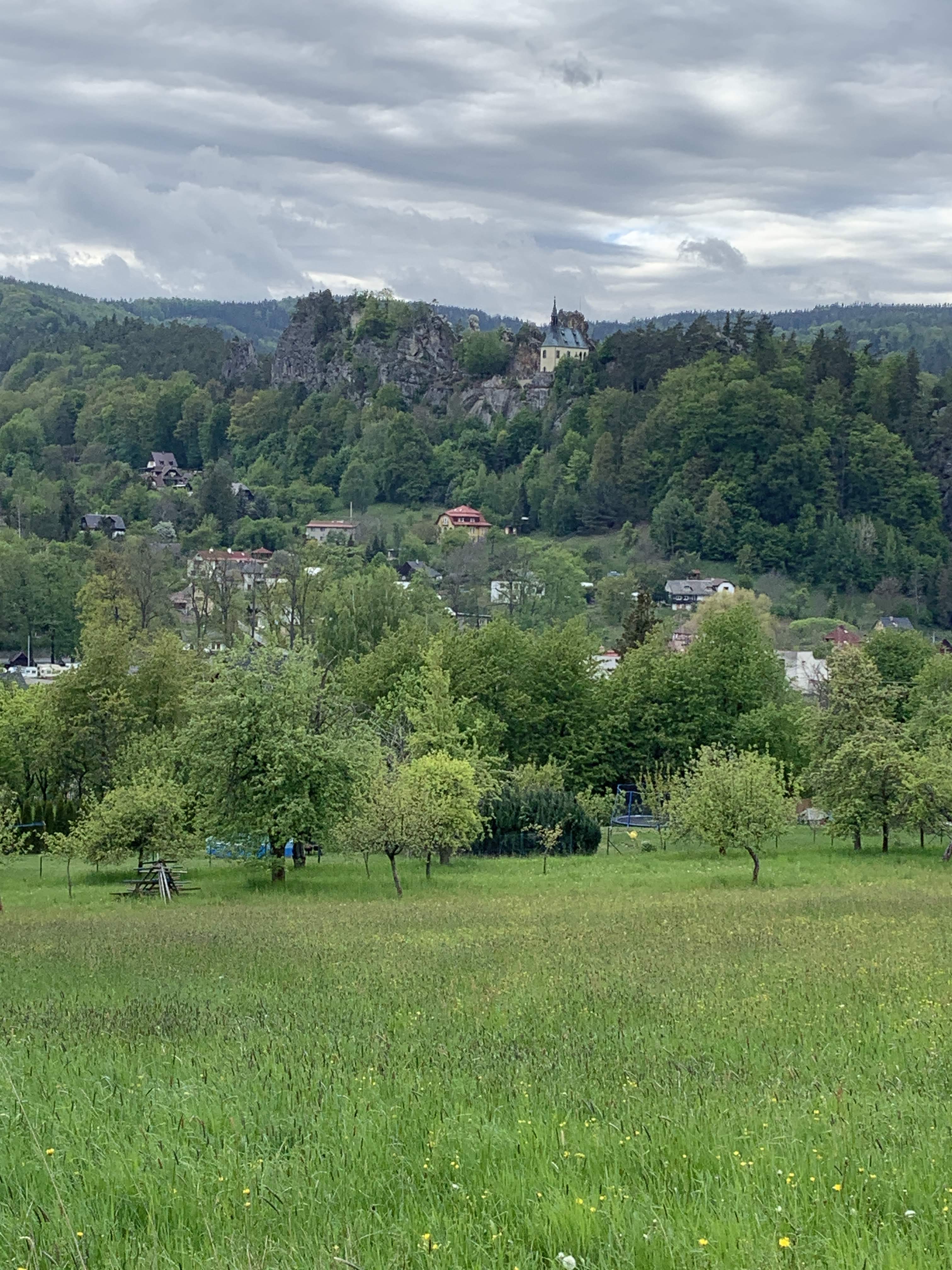
View of the Vranov-Pantheon above Mala Skala.
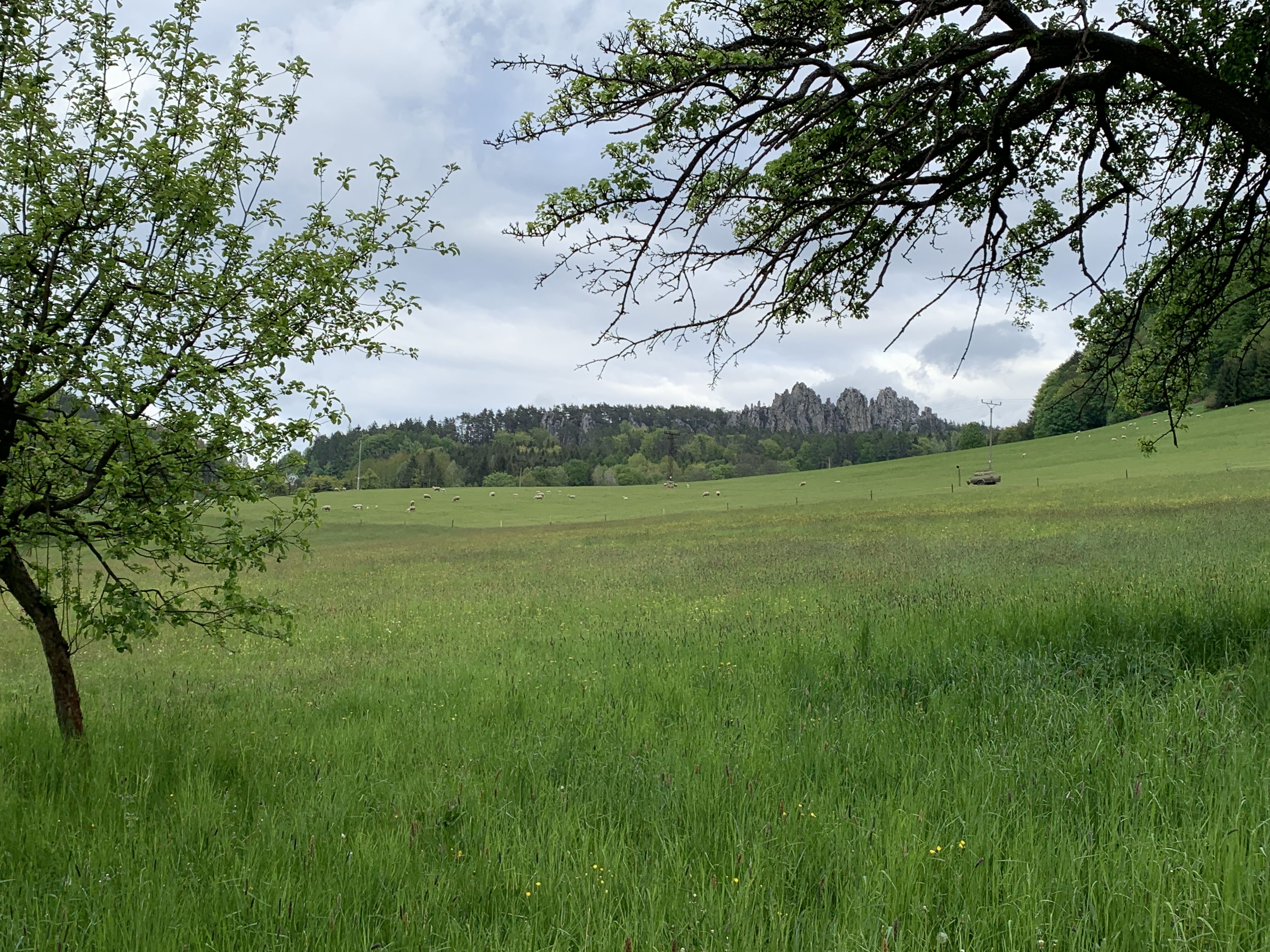
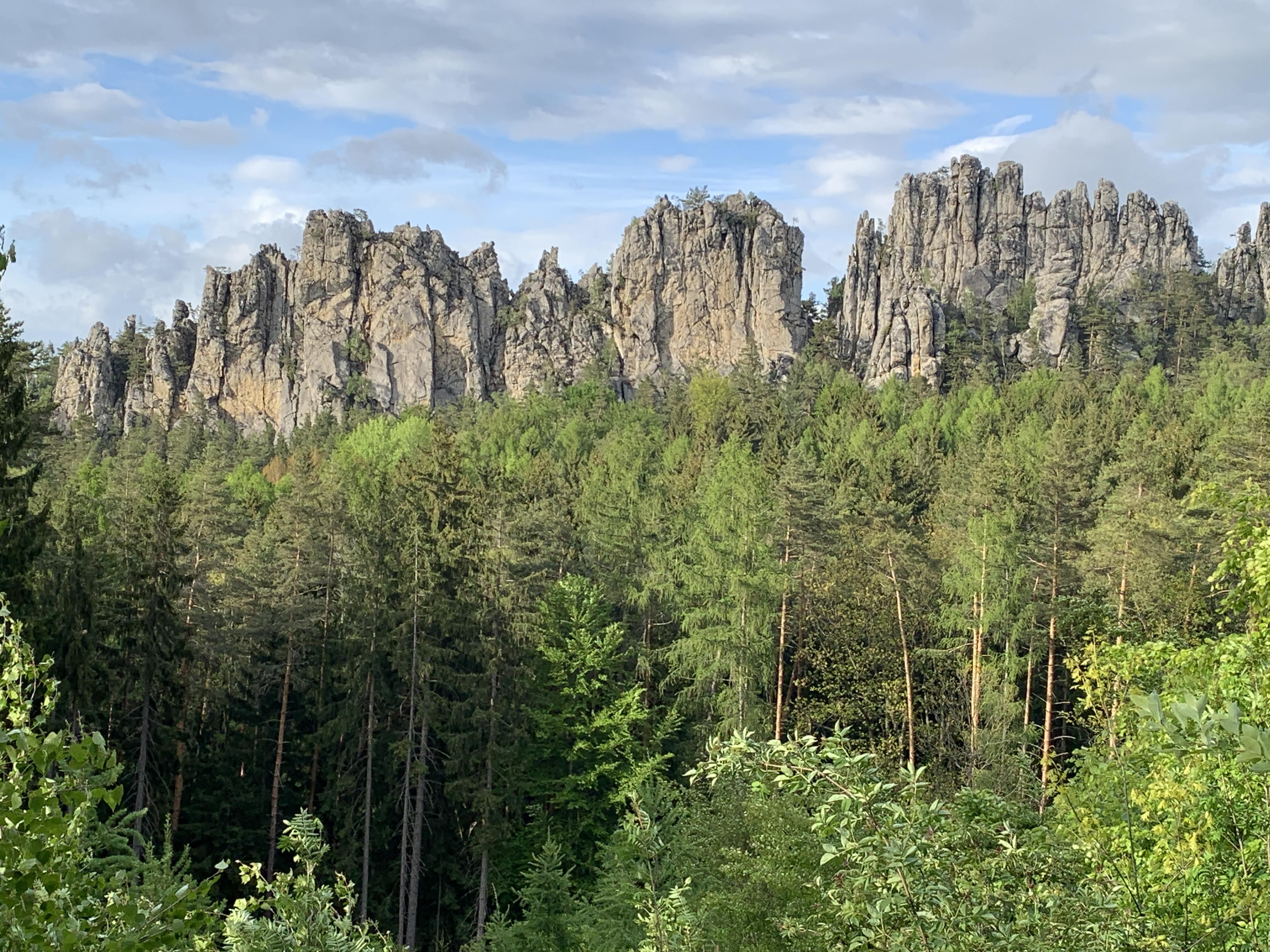
View of the Suché Skály rock formations above a field of bleating sheep.
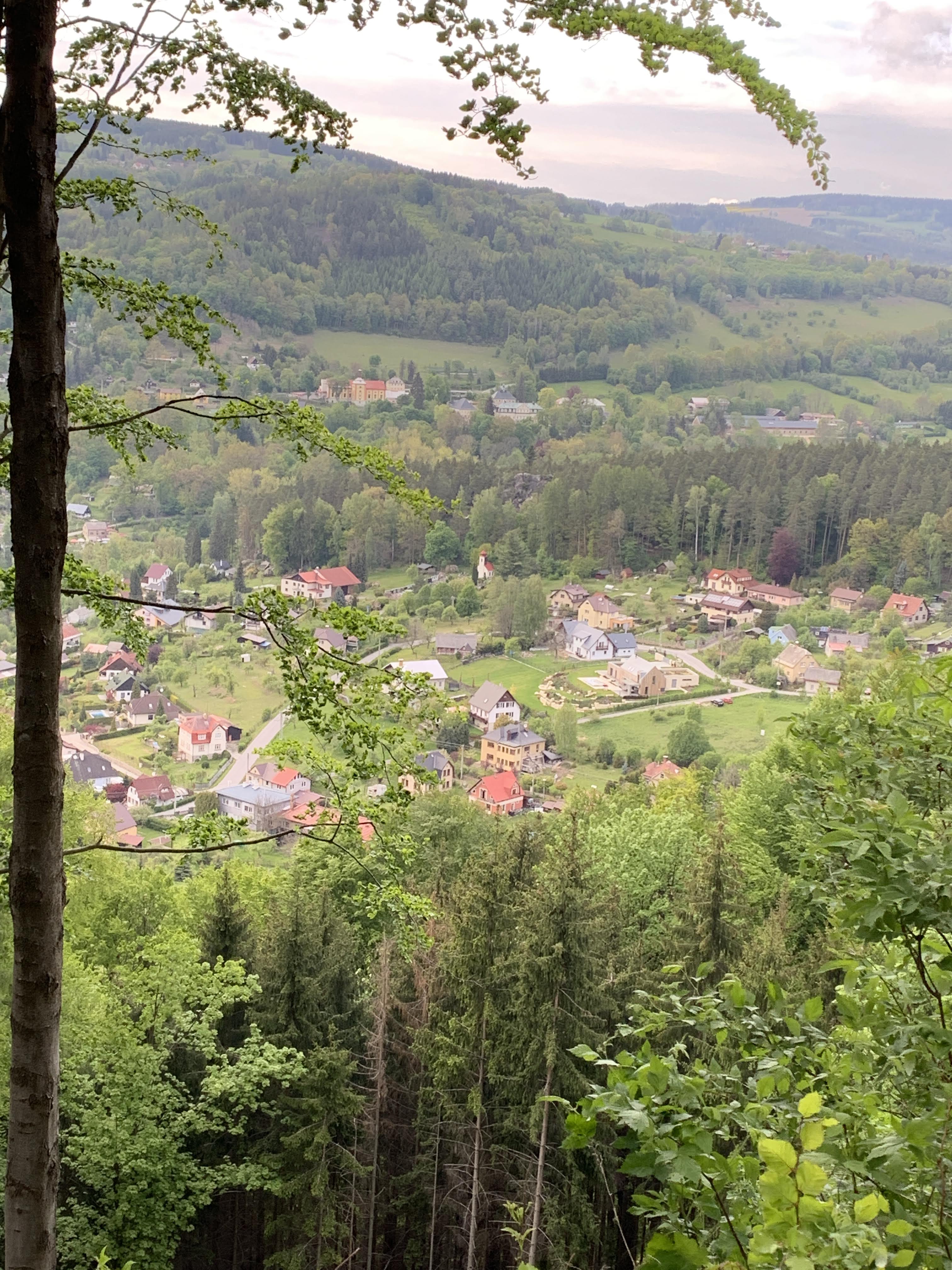
Mala Skala from above
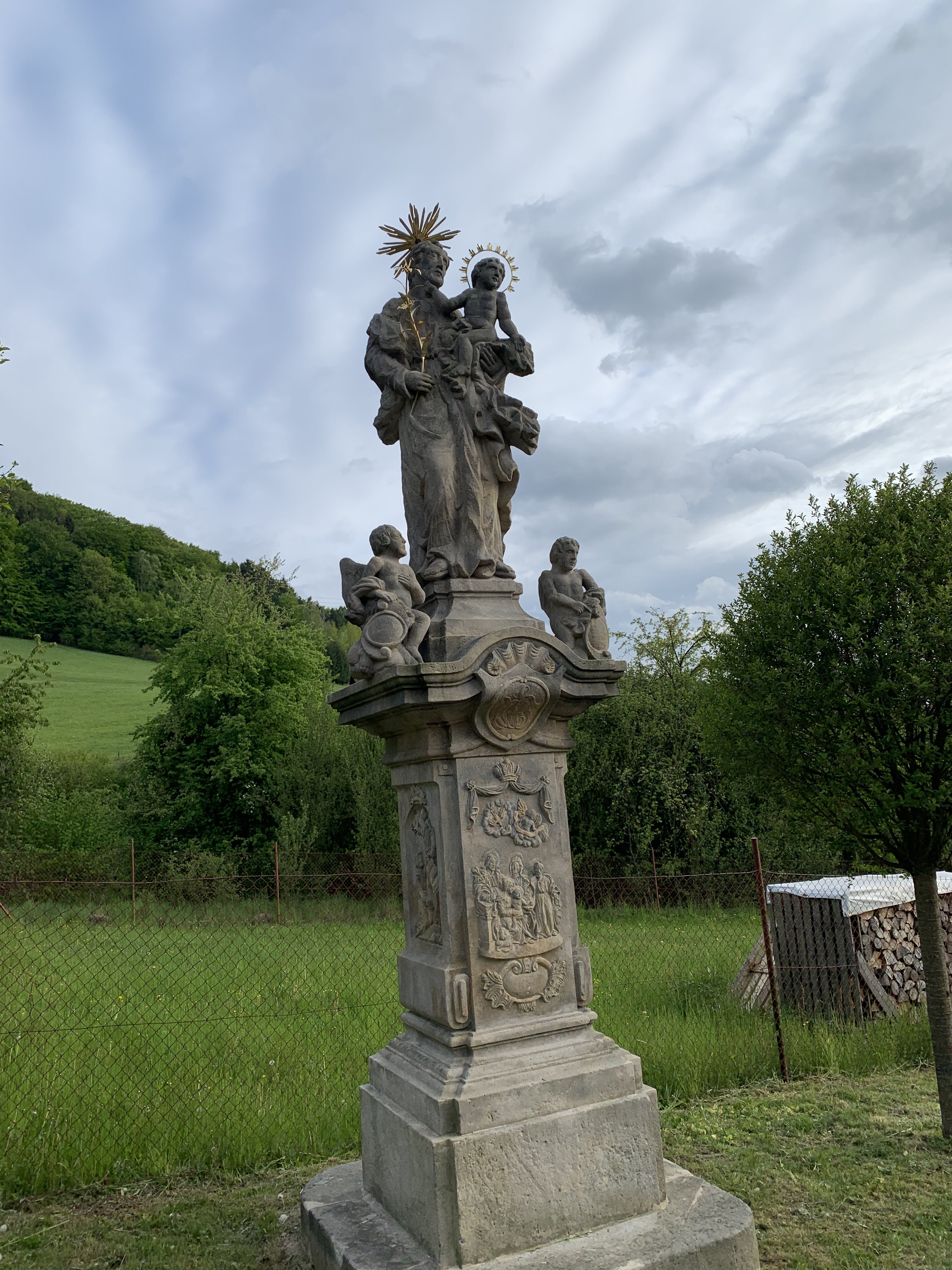
Just somebody’s backyard statue. You know, as you do.


Above the village is the ruin of  Vranov Castle. The castle was built in the beginning of the 15th century and was one of the last castles to be built in the region. The castle experienced great decay over the years and what is left is truly a ruin, but it allows the visitor so much imagination. I highly recommend exploring.
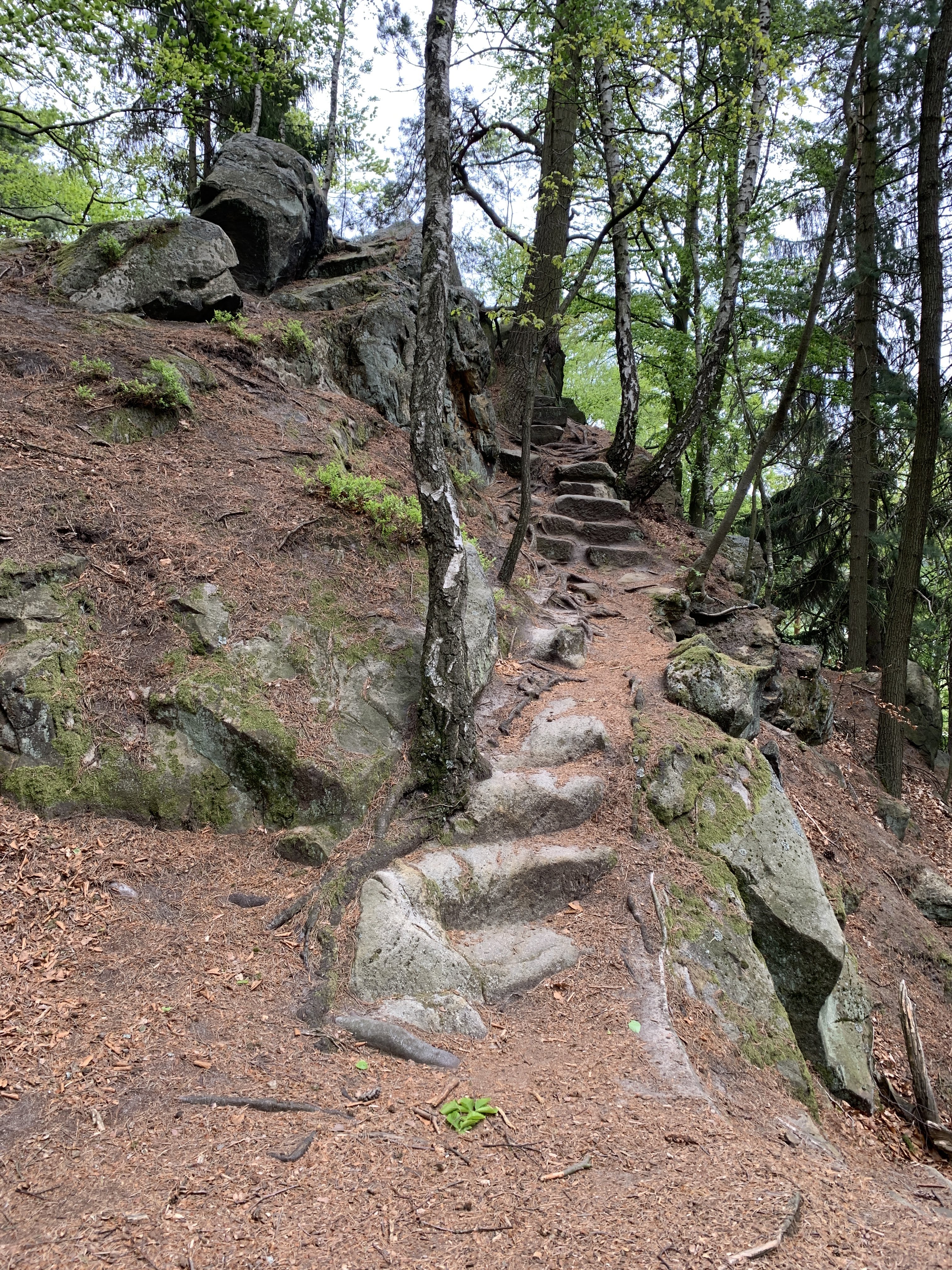
We found a set of precarious stairs, which of course we climbed. Anxiety level: high.
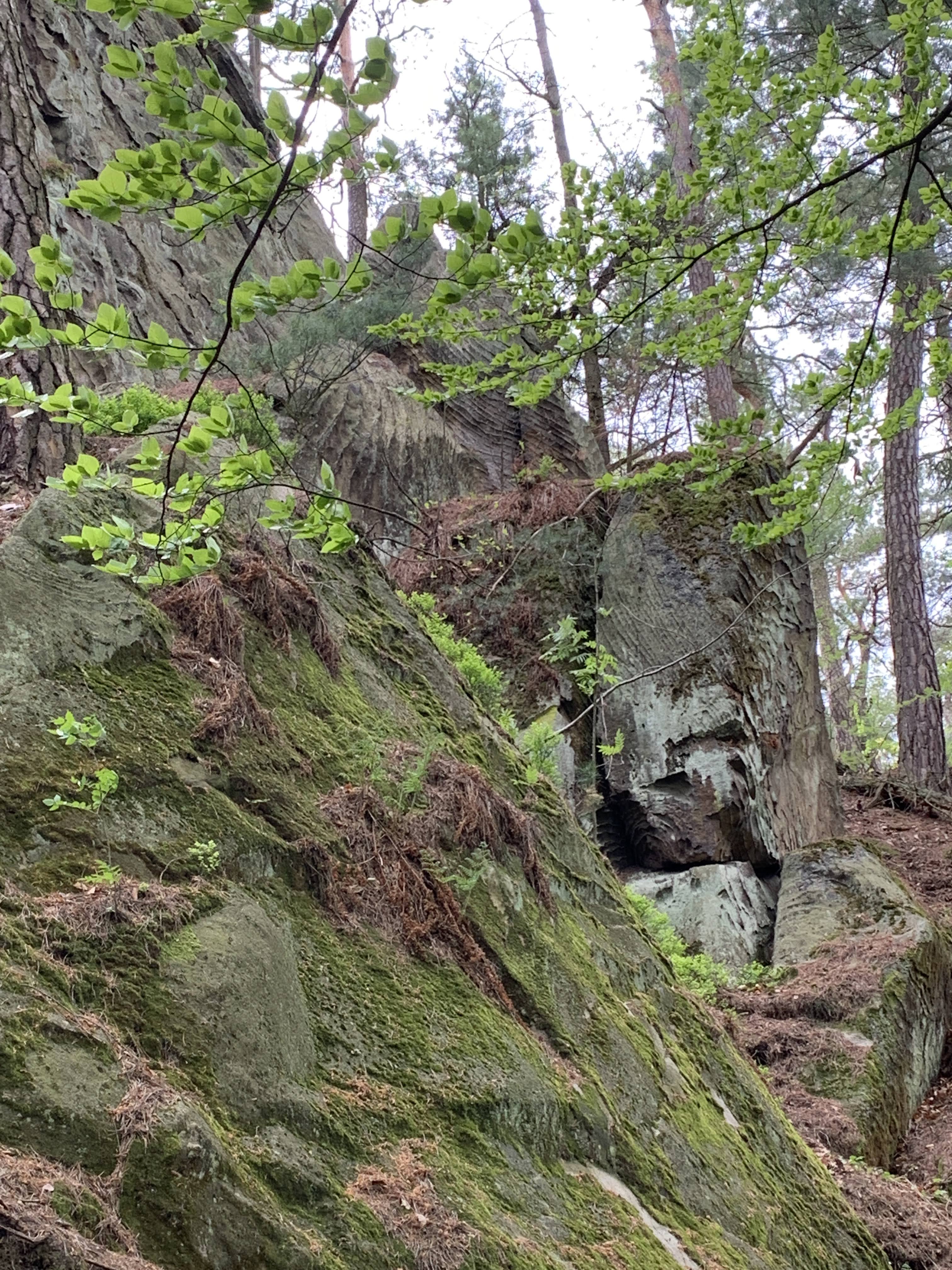
Remnants of a wall.

At the top of the castle ruins is a newer structure, built in the early 1800’s by an entrepreneur who dedicated the site and areas around the castle to legendary poets, events, historical personalities, etc. This section of Vranov is called the Pantheon. Here, my height anxiety would only allow me to tread so far as the stairs were narrow and steep.
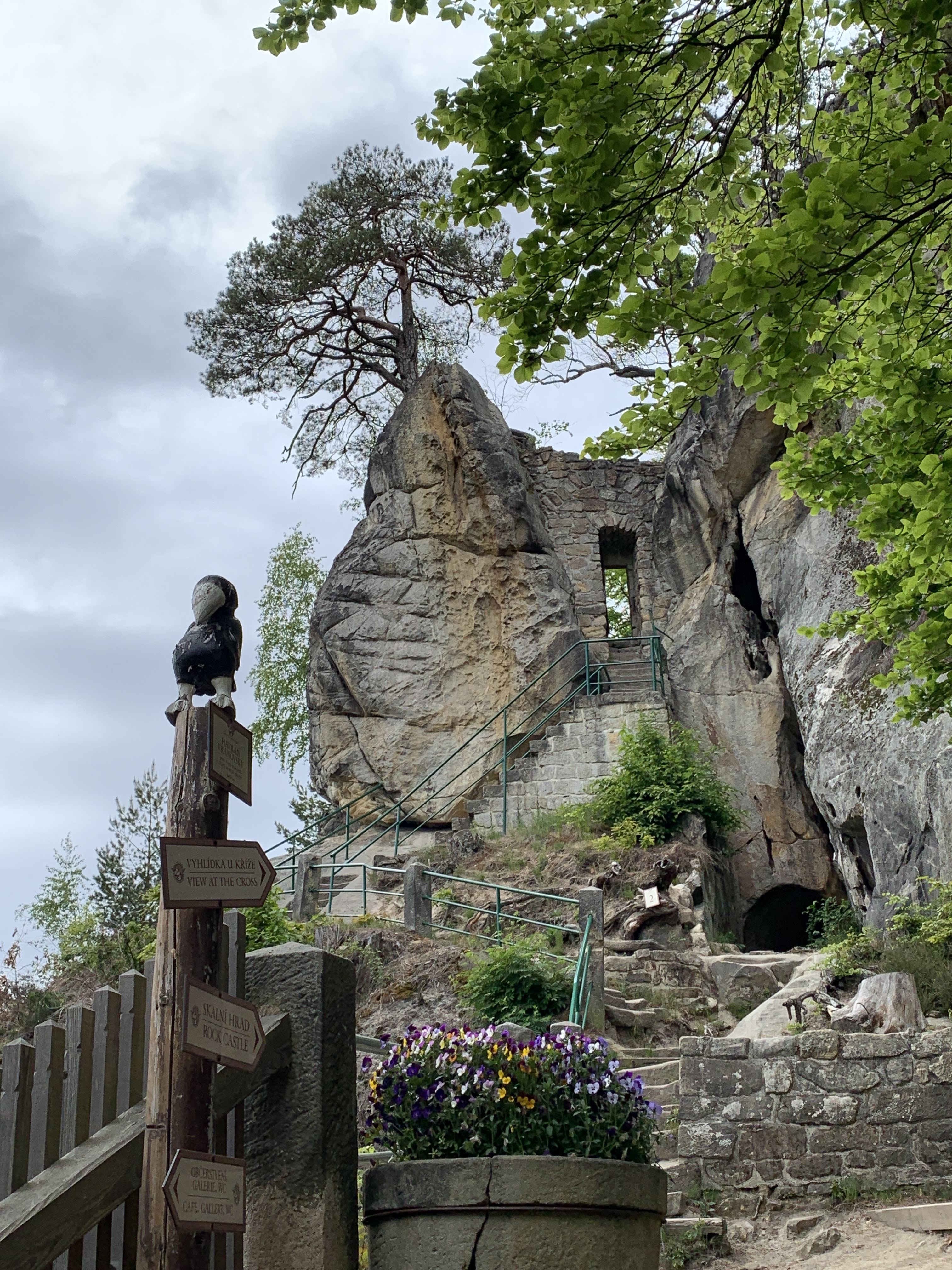
Entrance to the ruins which were “updated” in the 1800’s.
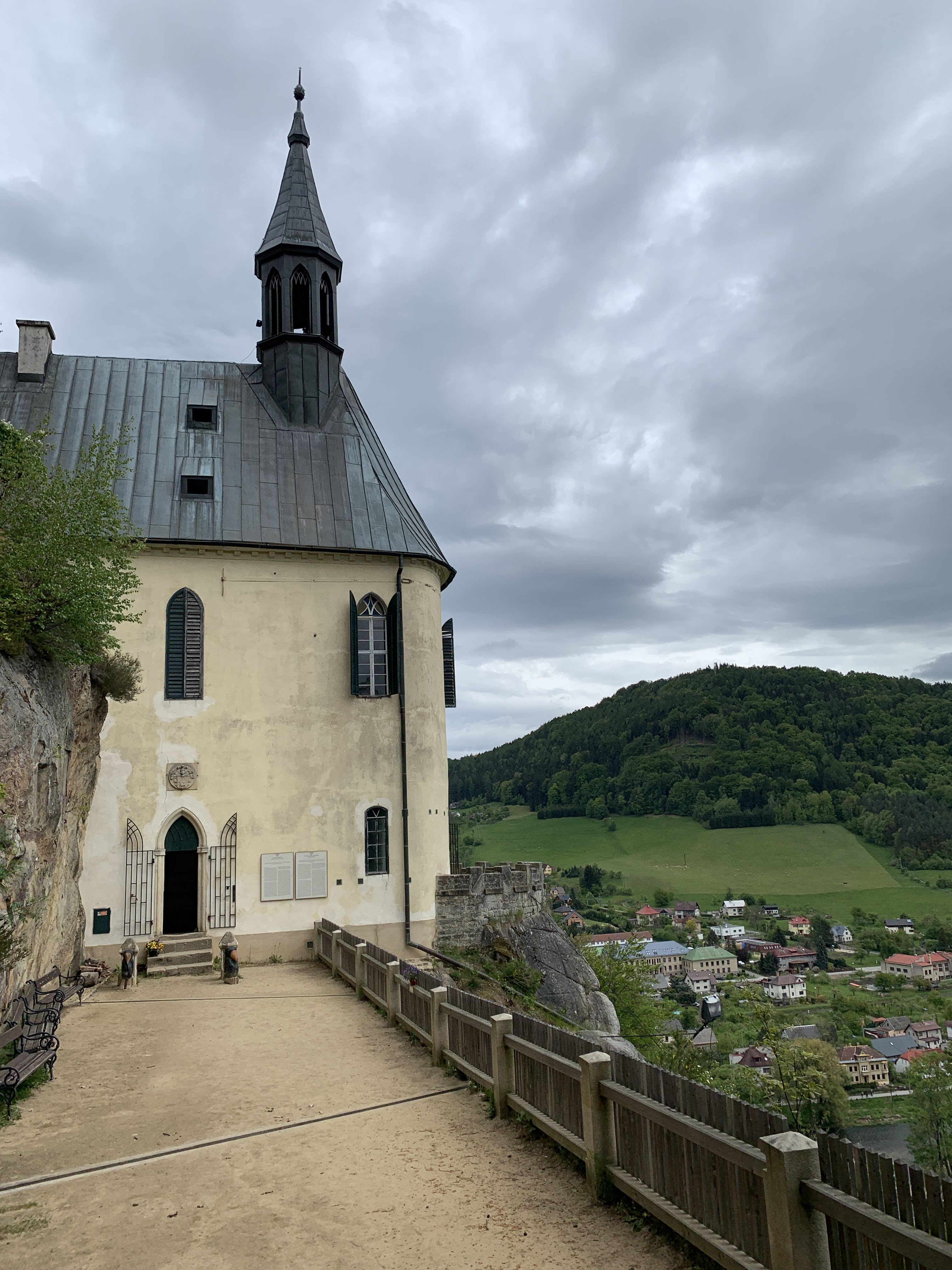
The Pantheon
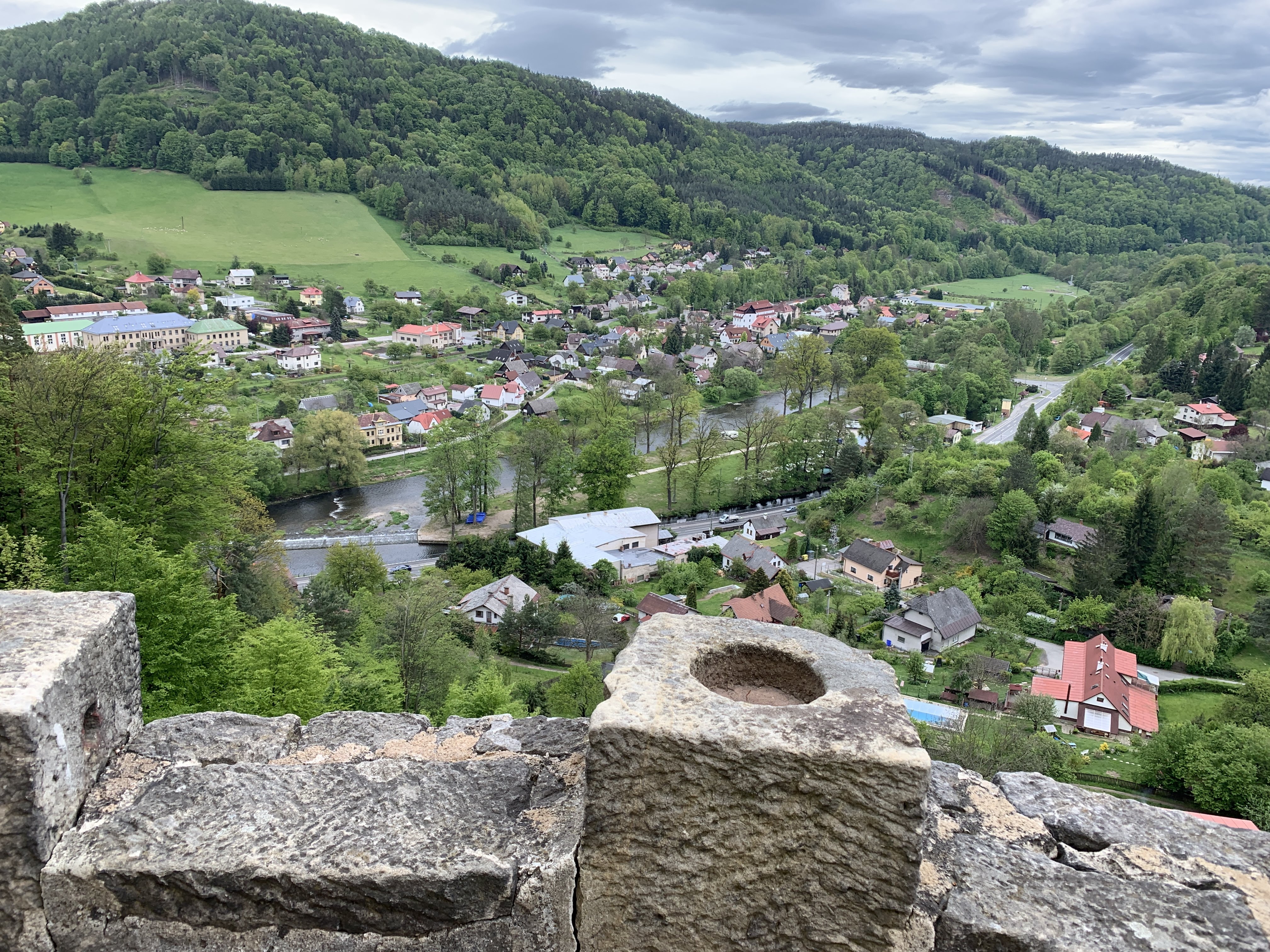
View of Mala Skala from the Pantheon
 

A Prague Finale

I’ve been remiss at updating my blog since I got home. The last couple of days in the Czech Republic were a whirlwind, and then of course there’s the whole recover from jet lag and catch up on life at home. But I haven’t forgotten my duties to update you all!

Overall, Prague gets an A from me, the only way it could be an A+ is to reduce the number of other tourists there, but we can’t have it all, can we? I’ve already told you about a couple of the highlights, but here are some smaller stops along the Prague tour.

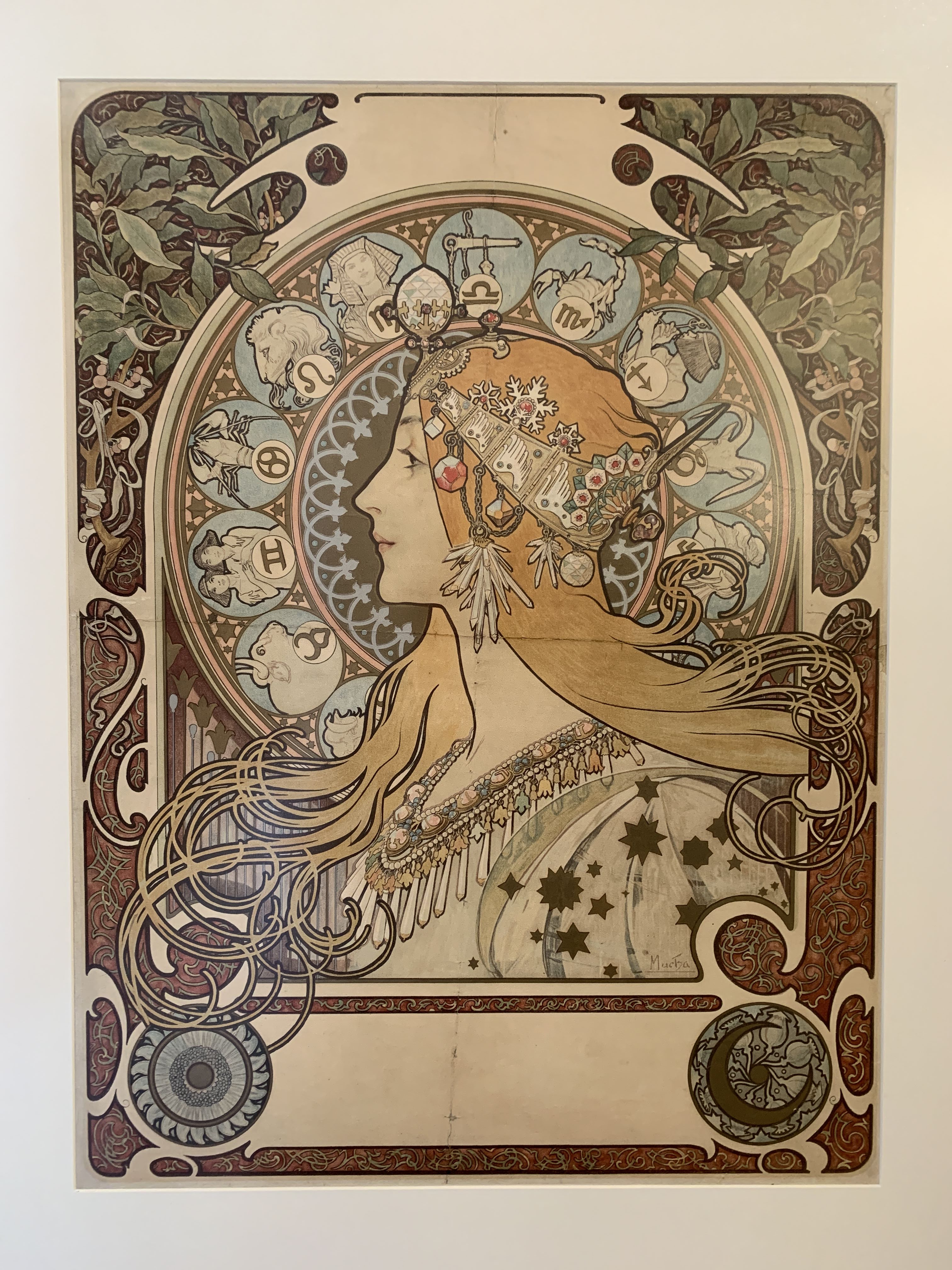
The Mucha Museum

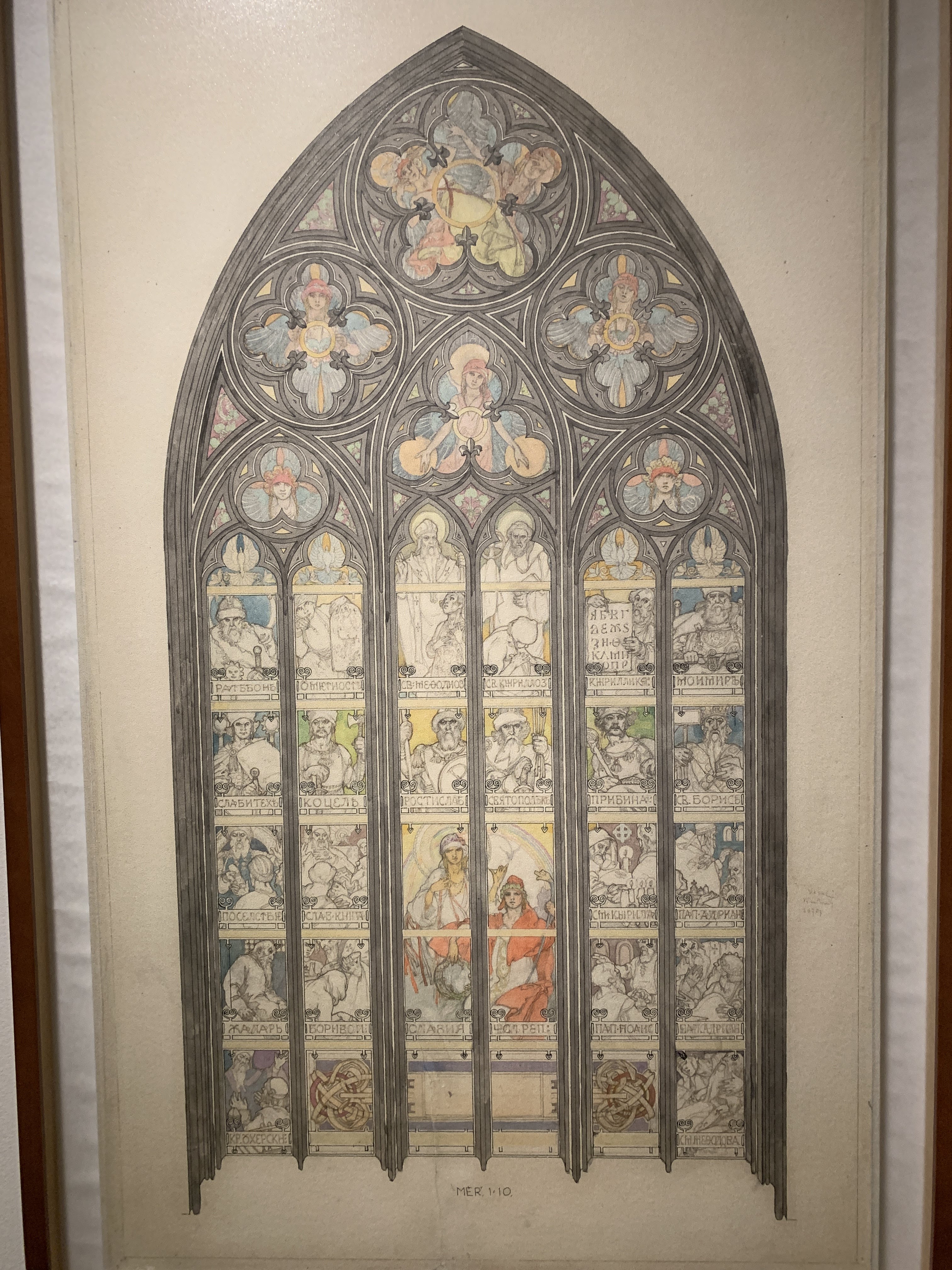
Dedicated to the work of Alphonse Mucha, this is a small but lovely little museum in Old Town. I’ve always been a fan of Mucha’s Art Nouveau style, which was popular between 1890 and 1910. Mucha in particular was well known because he brought the style into everyday objects, movie posters, wallpaper, and cookie tins. But he also designed stained glass for St. Vitus Cathedral in Prague.


Designs for St. Vincent Cathedral

Sarah Bernhardt asked Mucha to do most if not all of her movie posters.

The Miniature Museum

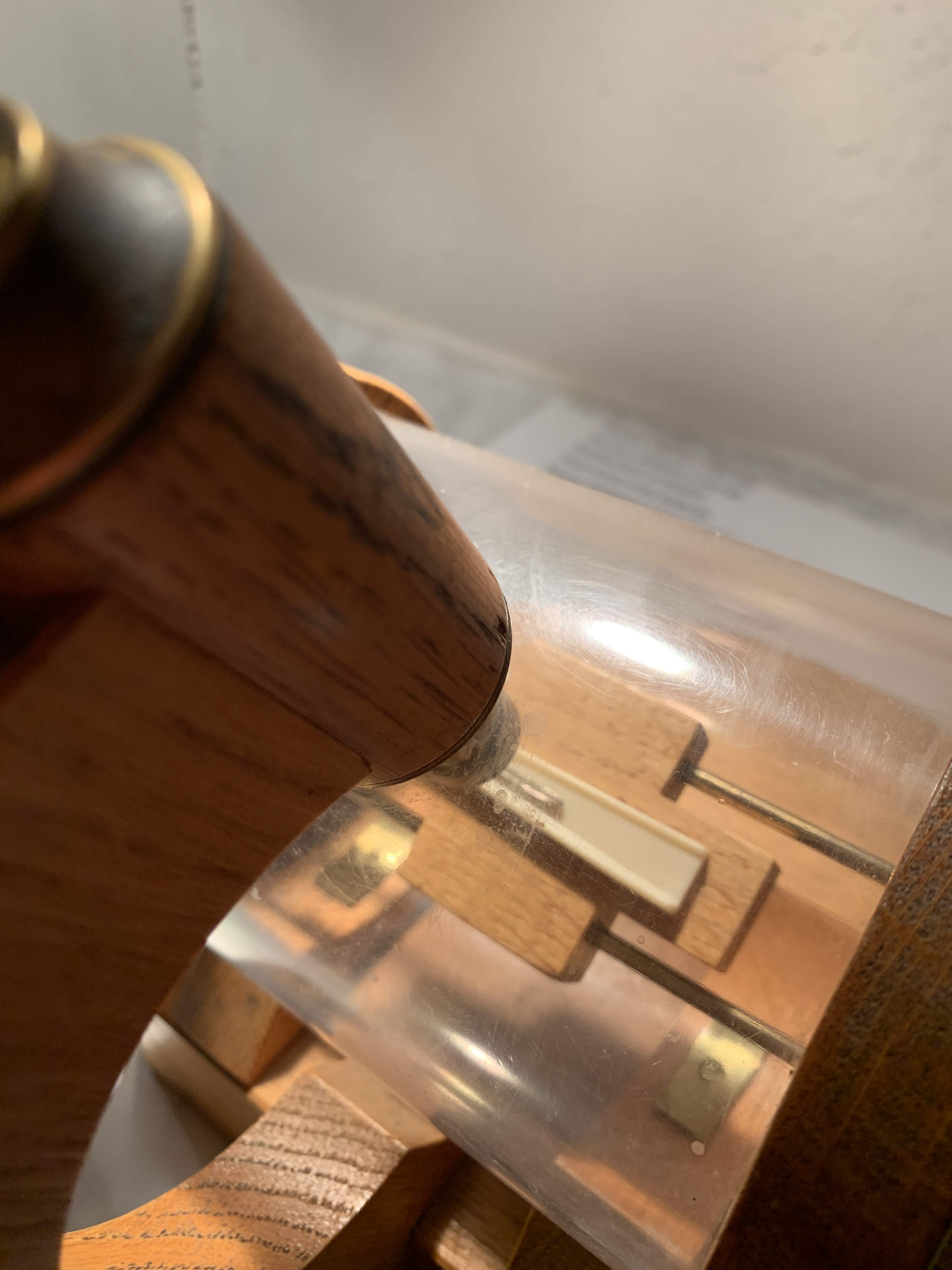
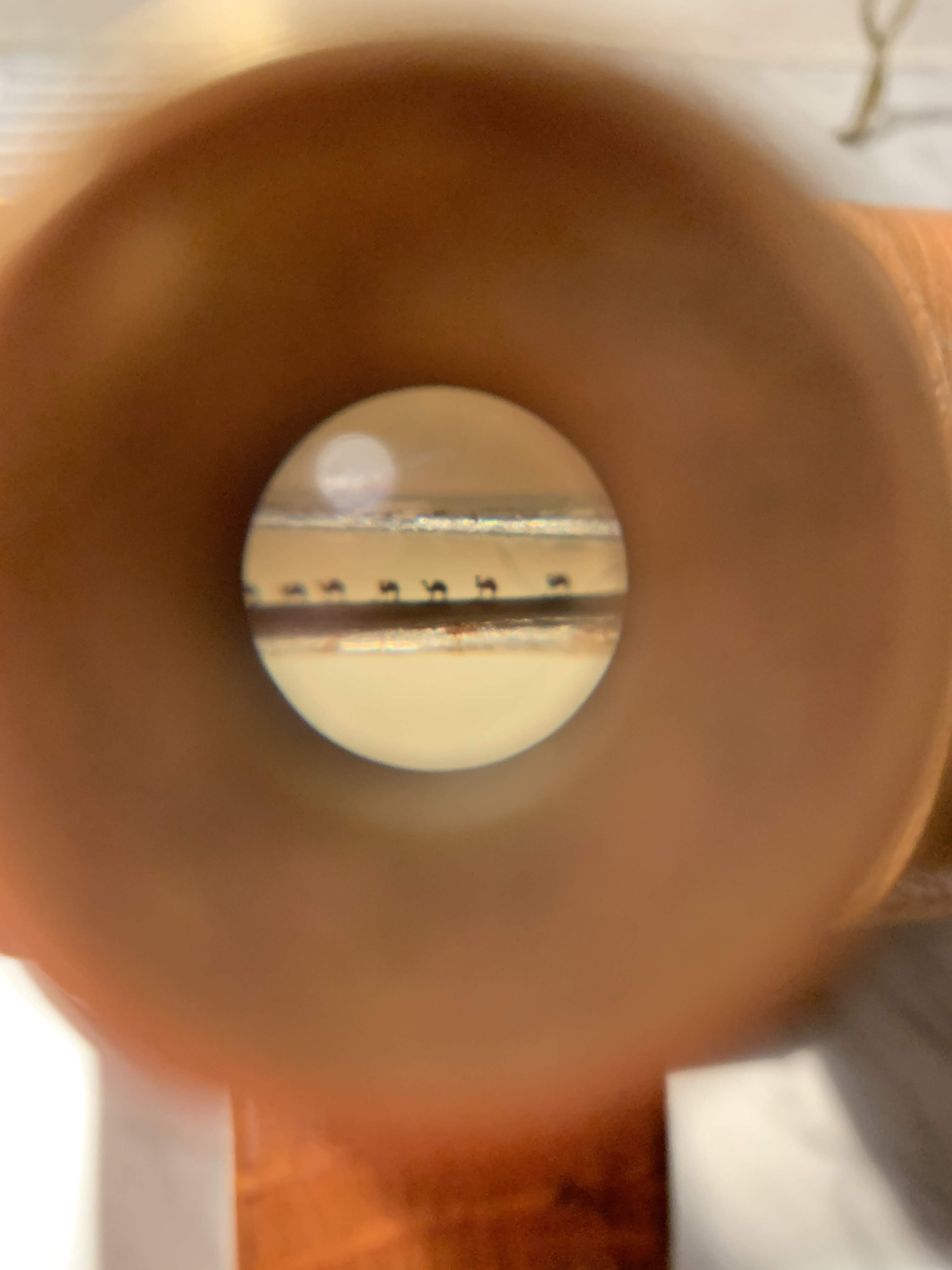
This is a teeeensy tiny little museum that will boggle the mind. This is the largest collection of microminiatures in the world. yep, “microminiatures.” You should check out their stuff here, it’s more impressive in these photos than mine.

Can you see it yet?

Camels in the eye of the needle!

The Charles Bridge

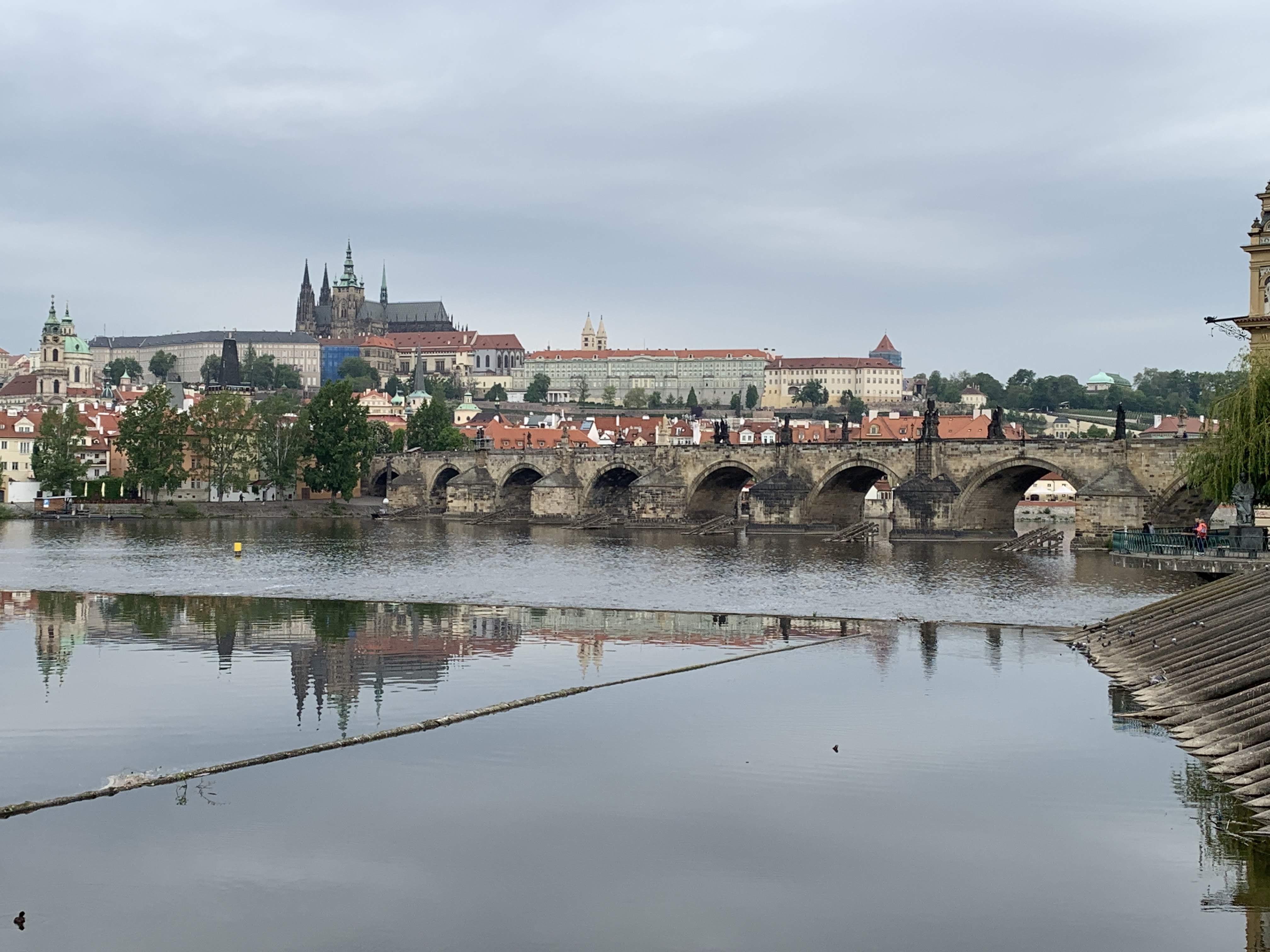
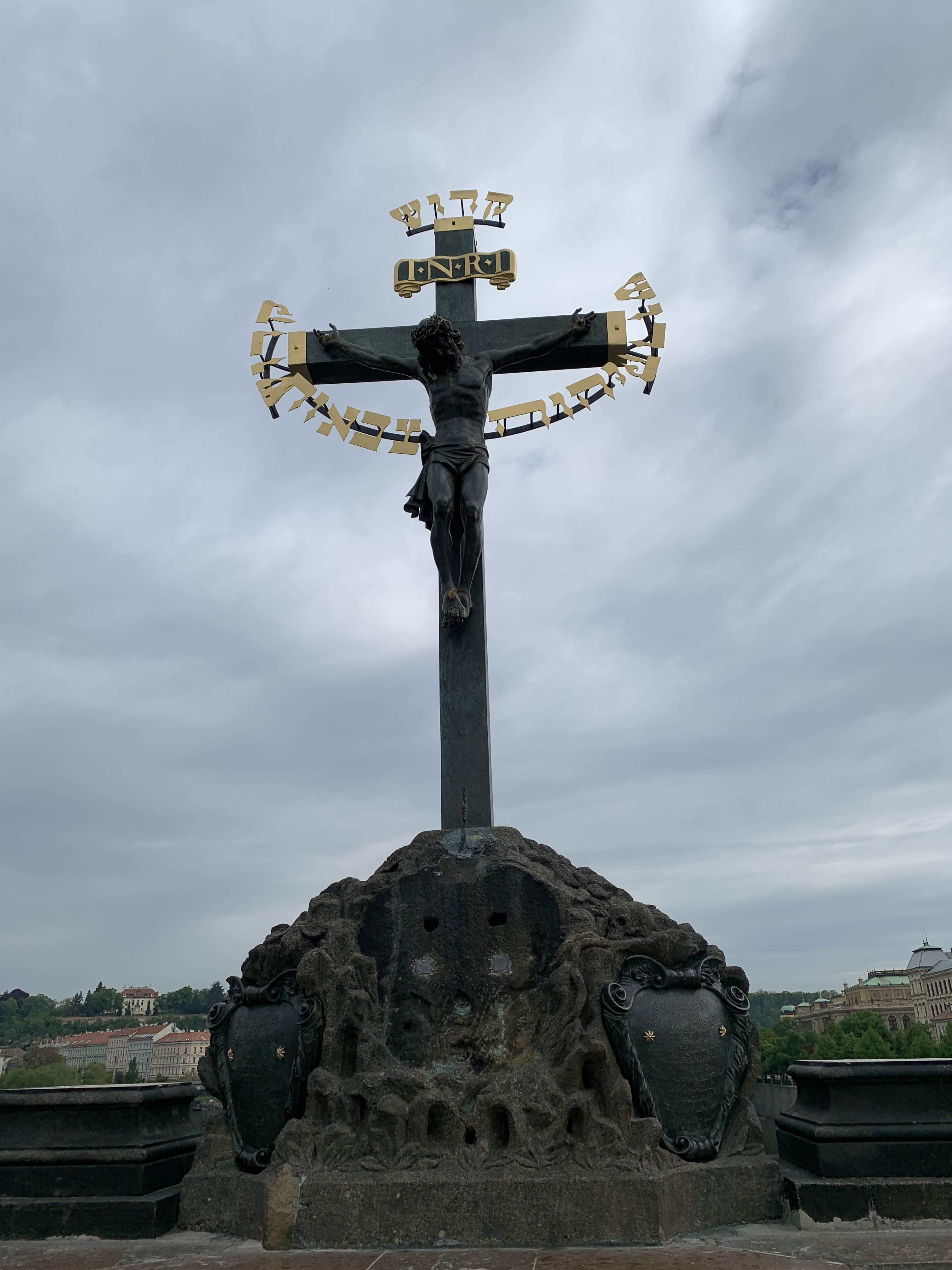
The Charles Bridge was built between the 12th-15th centuries, replacing an older bridge. It is easily one of the most visited places in Prague, and it’s really best not to go in the middle of the day. We went in the morning and then later in the early evening, and there were still plenty of people to contend with. The statues on the bridge were added between the 15th and 16th century, the only original artifact being from the 1300’s is a cross that had additions to it later (see below). In reality, all of the statues on the bridge today are replicas, the originals are in the National Museum for protection from the elements.

Statuary of the St. Cross with Calvary, the Hebrew was added later as an insult to the Jewish population of the city.

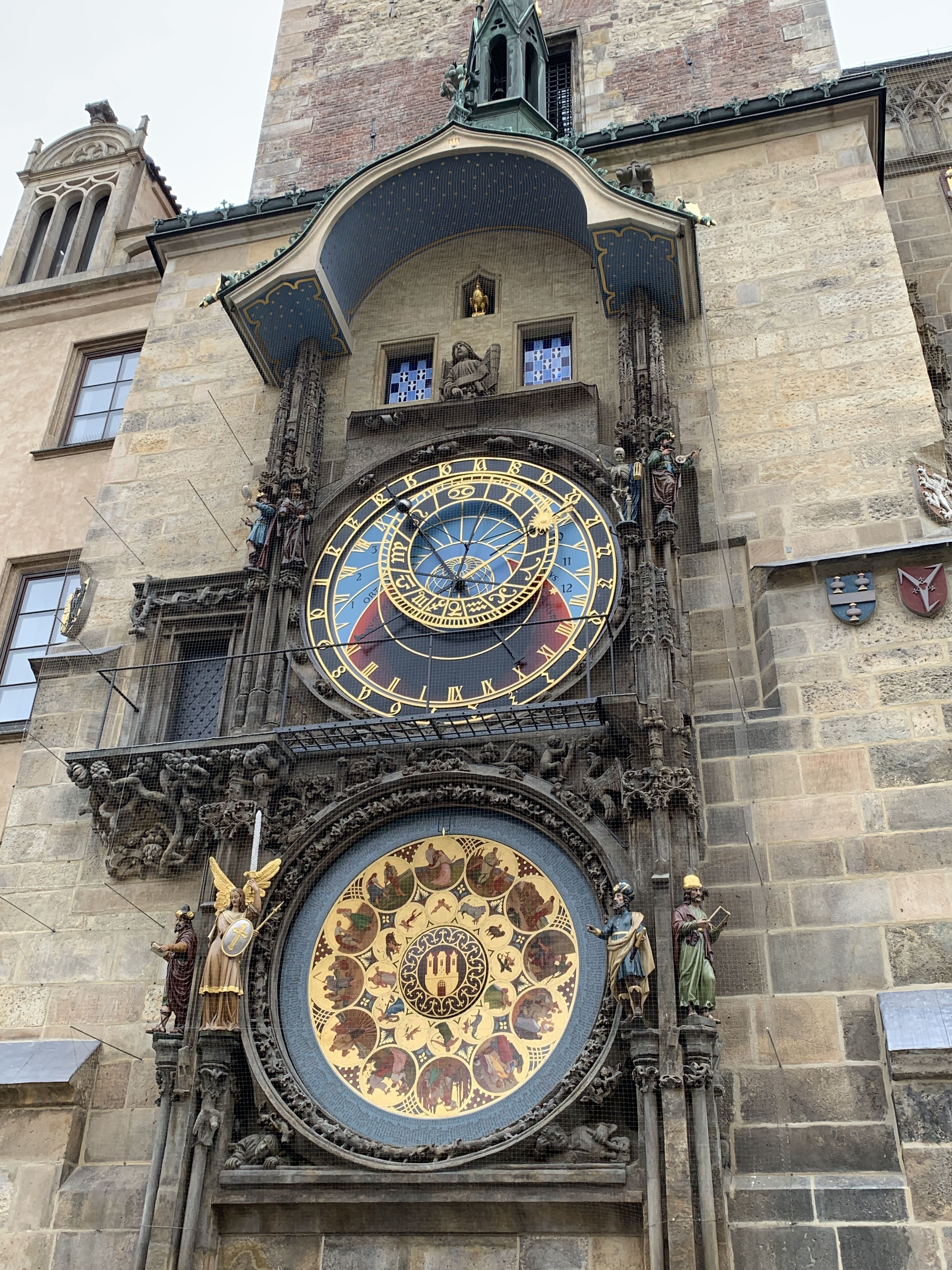
The Astronomical Clock

The Astronomical Clock in Prague is the oldest running clock in the world. Built in 1400, it’s also the 3rd oldest astronomical clock in the world. Visitors to the Old Town Square can see it running every hour on the hour. Of course, it is the 12 apostles one sees bestowing their visage to the masses.