Gaudí, A Modernist Genius

Anton Gaudí was a Catalan architect born in the mid 19th century. As a child, he was often sick, so spent a lot of time contemplating nature and God. After receiving his degree in Architecture, the director of the school said, “I do not know if we have awarded this degree to a madman or a genius; only time will tell.”

I think I might argue that he was a madman AND a genius. His personal style combined nature and the divine along with an impeccable understanding of building sound structures.

Gaudí built 12 structures in Barcelona, of which I saw three.

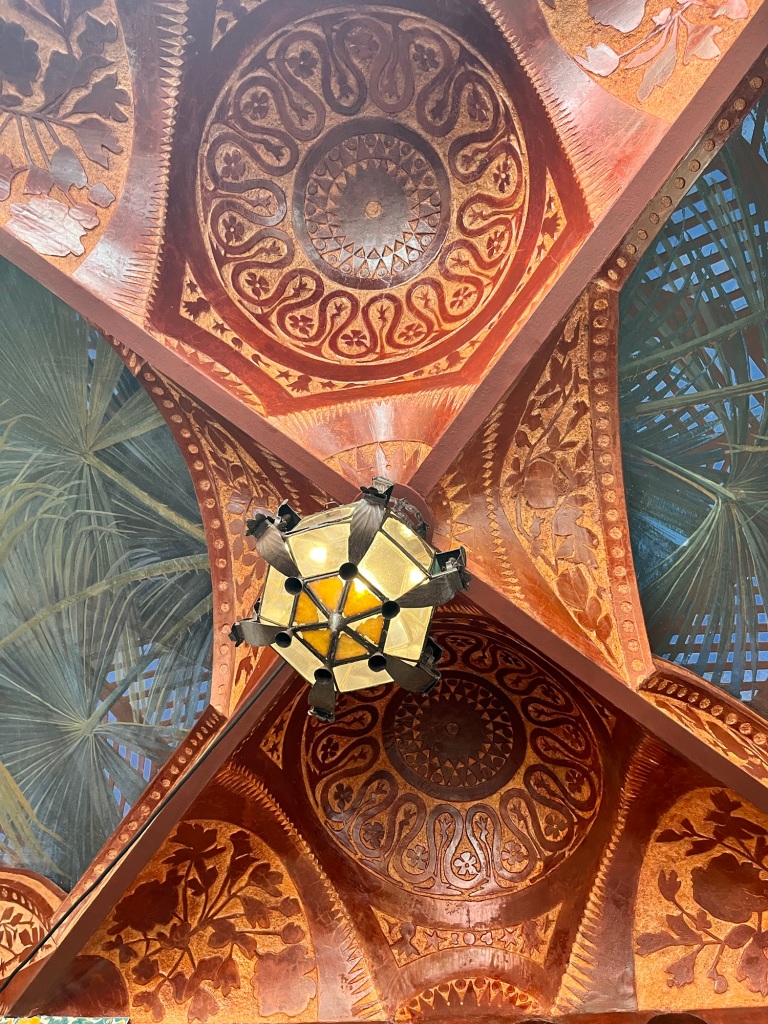
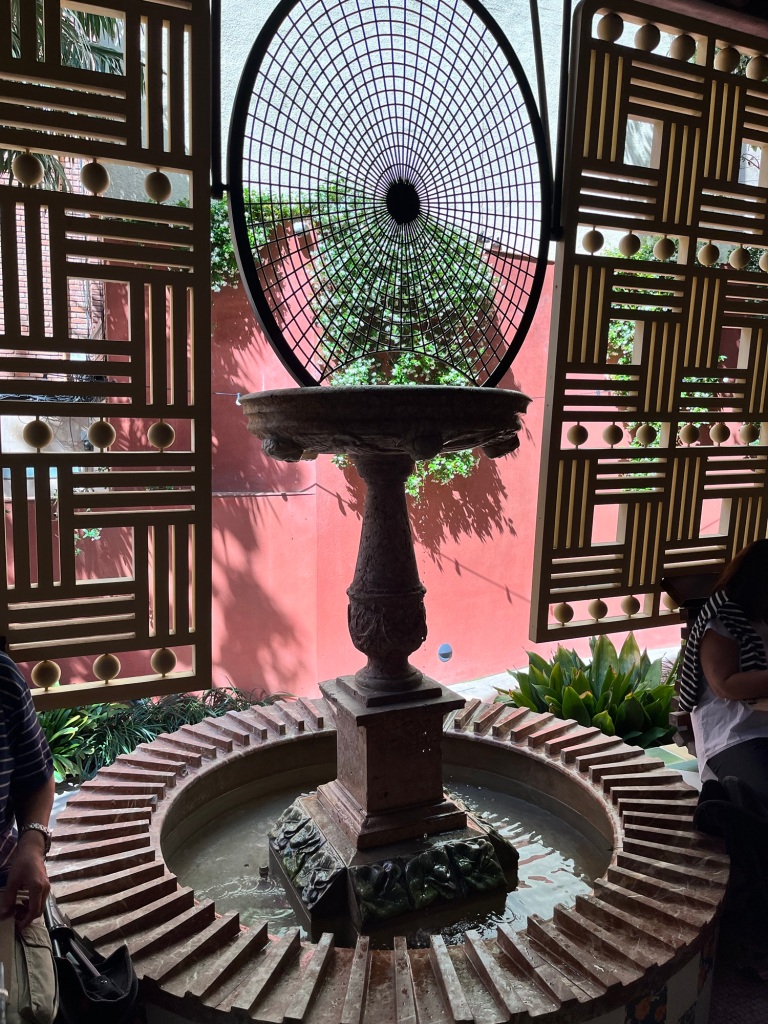
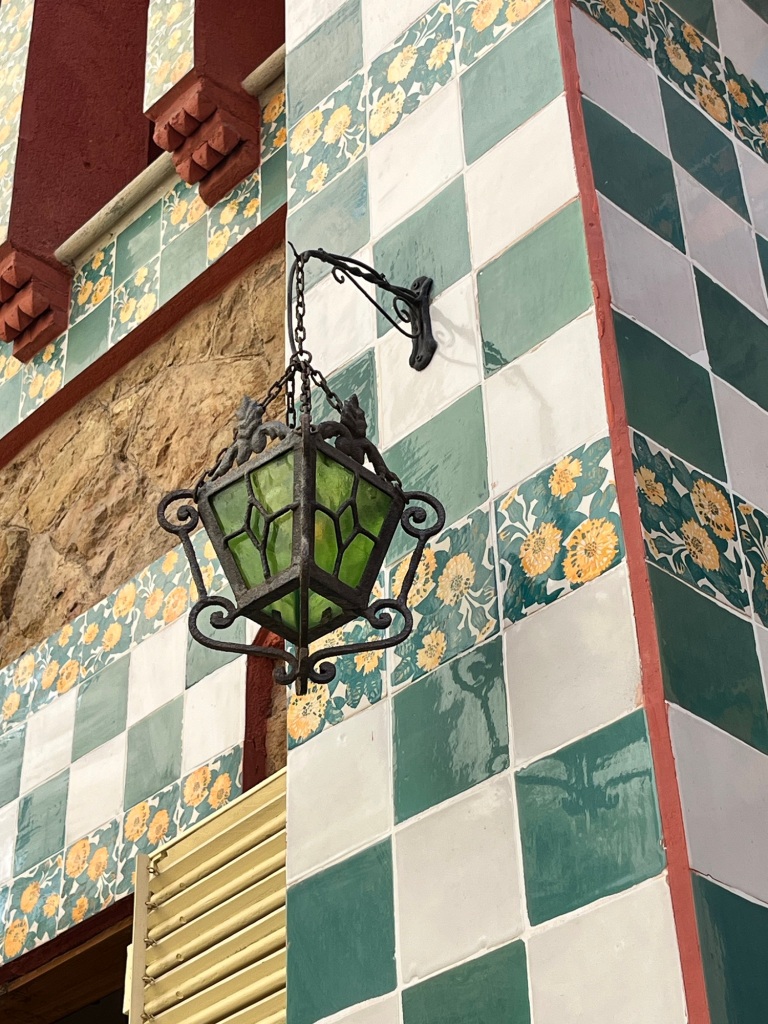
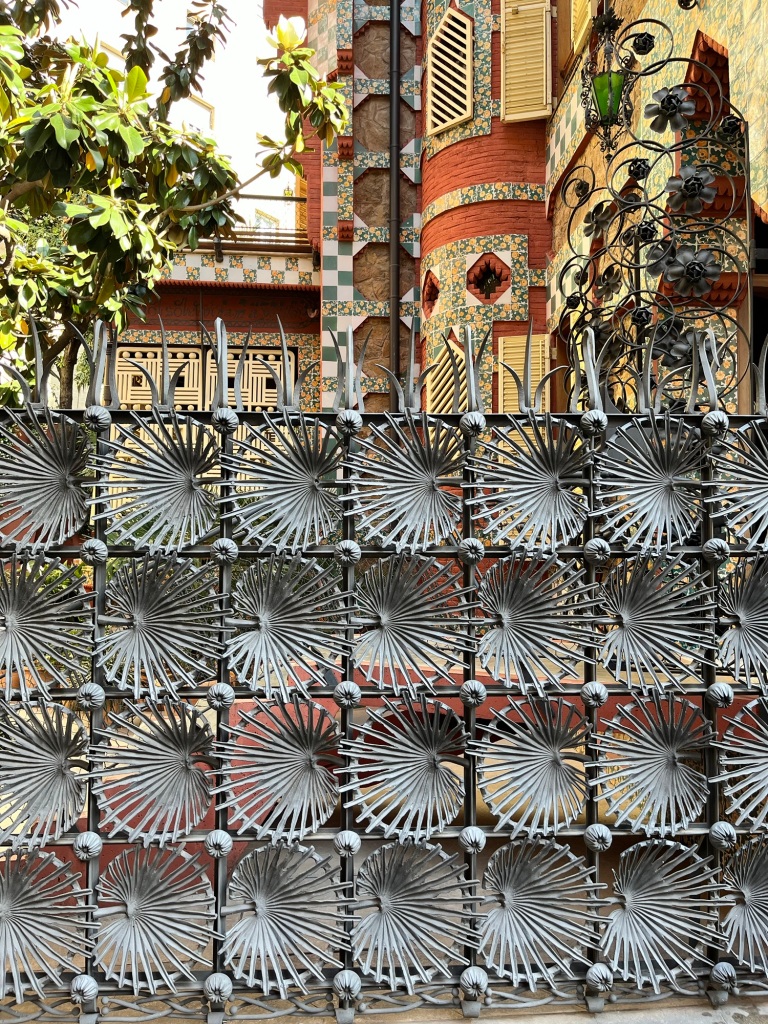
The first I saw was also Gaudí’s first house, Casa Vicens which was built between 1883-1885. It’s a mix of art nouveau (my personal favorite) and modernist and it incorporates Moorish elements into the design. I signed up for an urban sketching workshop and was able to work on my art skills while spending lots of time in the house.

The Master bedroom originally had a wall separating the husband and wife’s sides. Our guide commented that they did not know which side was the man’s and which the woman’s. This is because on the side with the blue walls, the flowers on the ceiling are more feminine. And on the side with the more feminine colored walls. The flowers are more masculine. I quipped that our modern concept for blue is for boys and pink for girls didn’t arrive until the mid-19th century, and he was floored to learn that. Anyways, that’s my impact on historical accuracy.

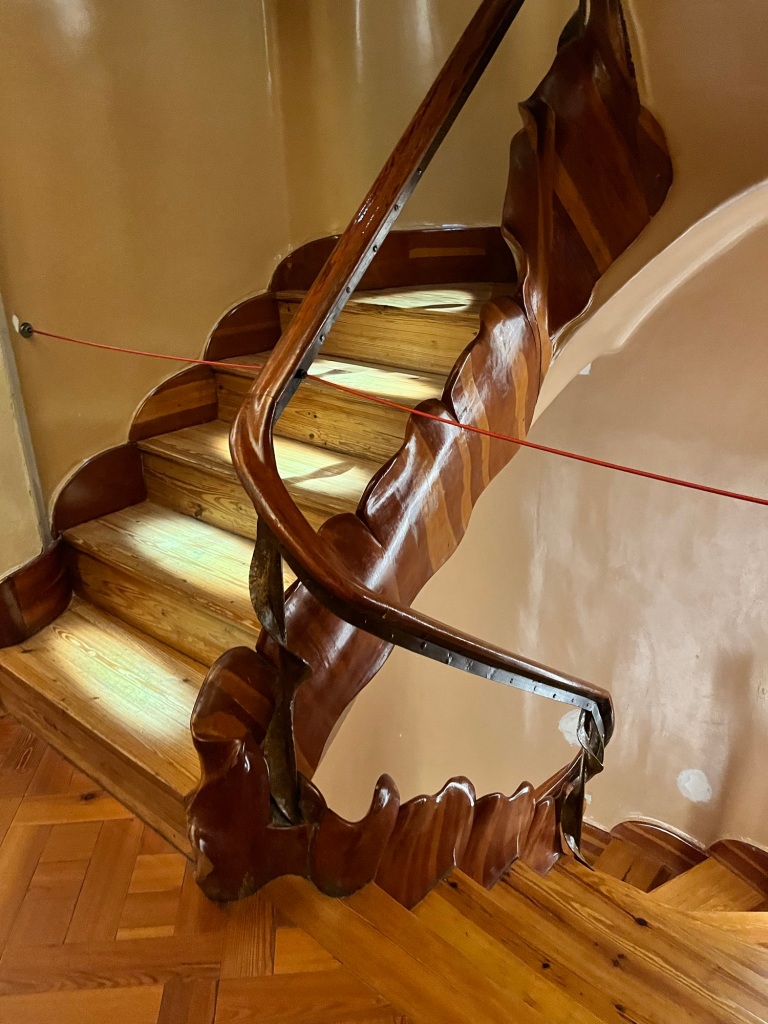
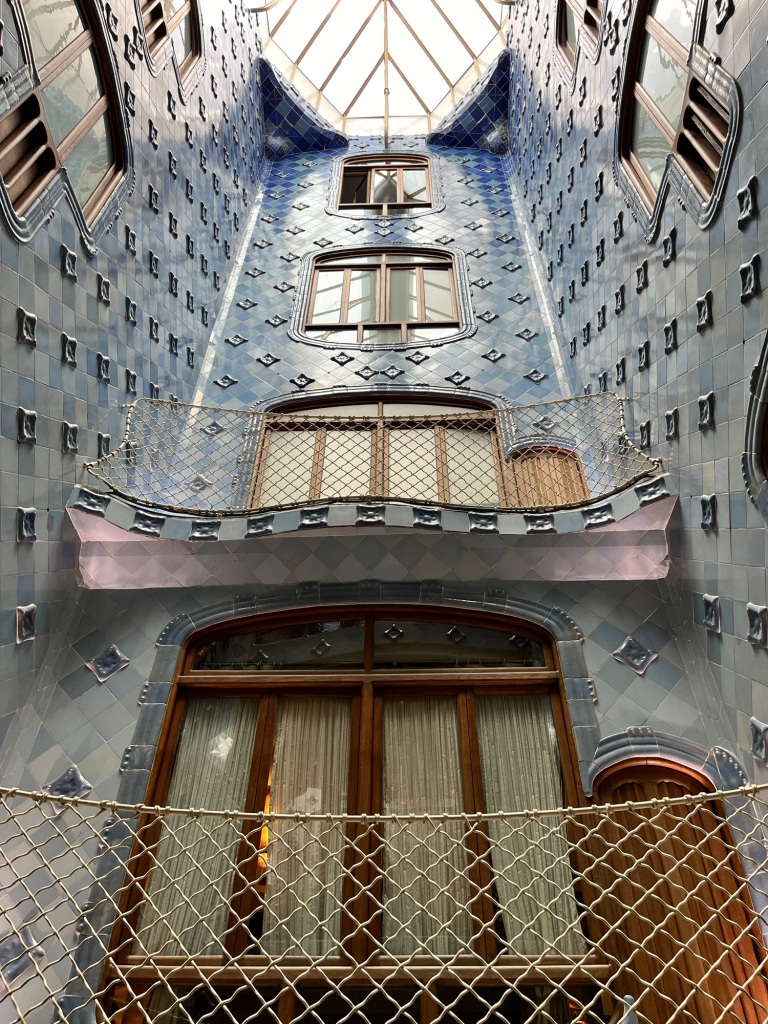
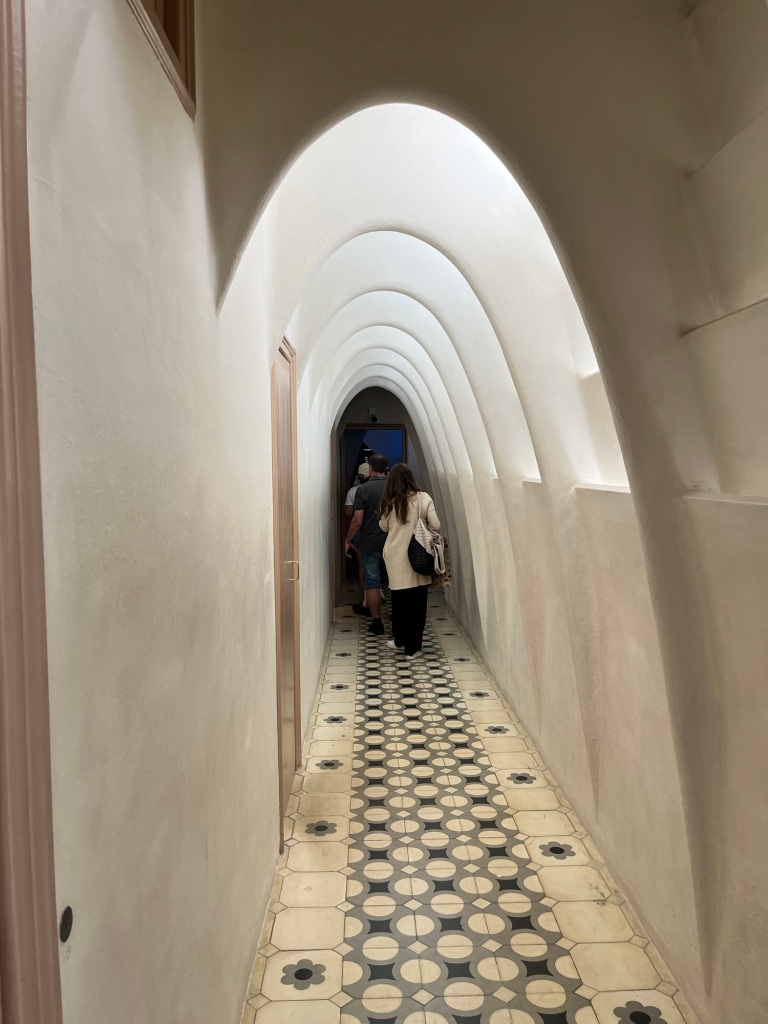
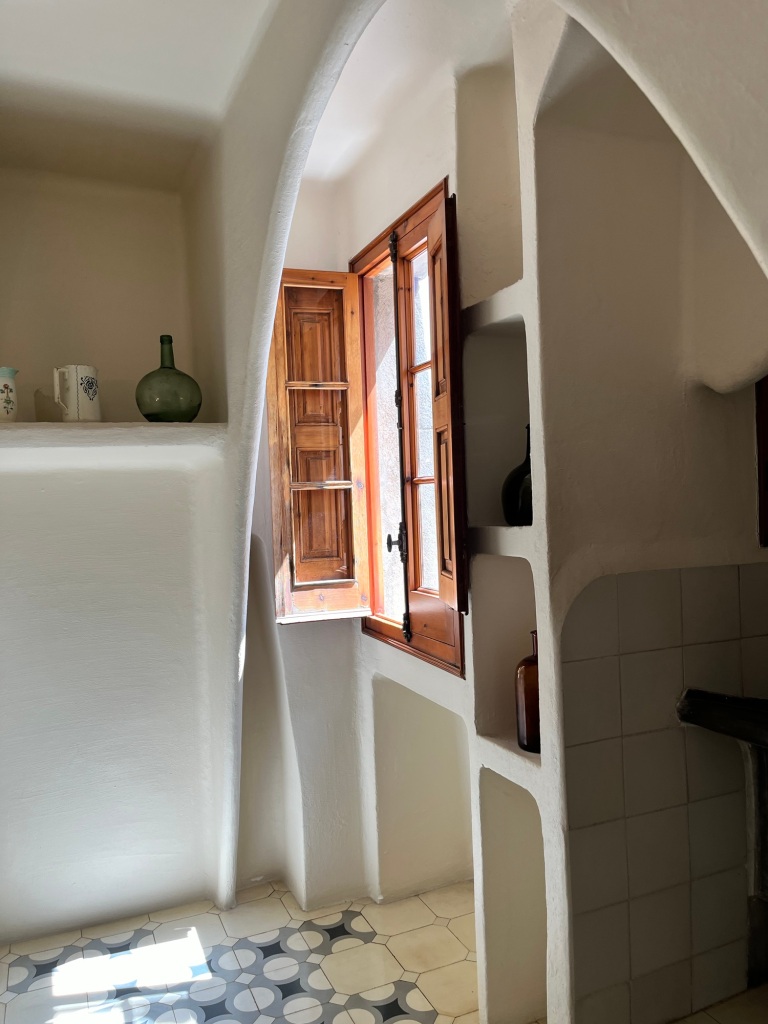
The second site I visited was Gaudí’s final house, Casa Batillo, which was built between 1904-1906. There are two key themes to this house, one of which isn’t as obvious as the other.

The first and primary theme is the ocean. Both the exterior and interior reflect the underwater depths via patterns, waves, and colors. in this theme, the balconies on the front look like seashells.

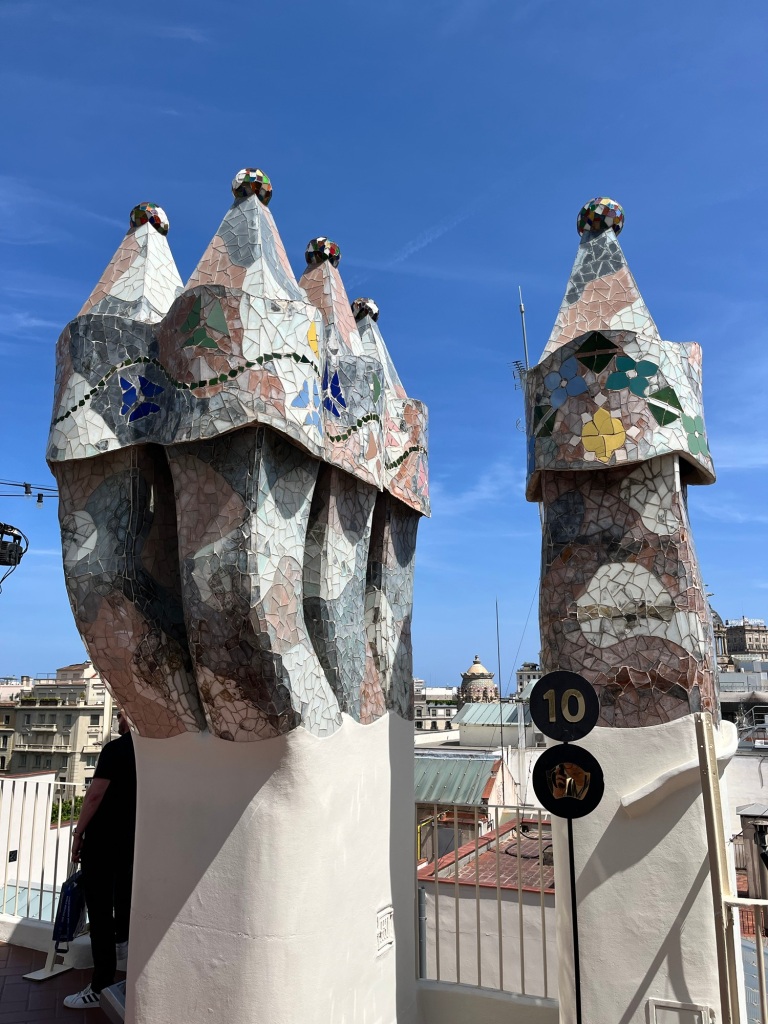
The second theme is Saint George and the Dragon. The dragon can be seen on the roof, and the balconies are the skulls of his victims. When you are on the rooftop, you can see that the dragon has been impaled.

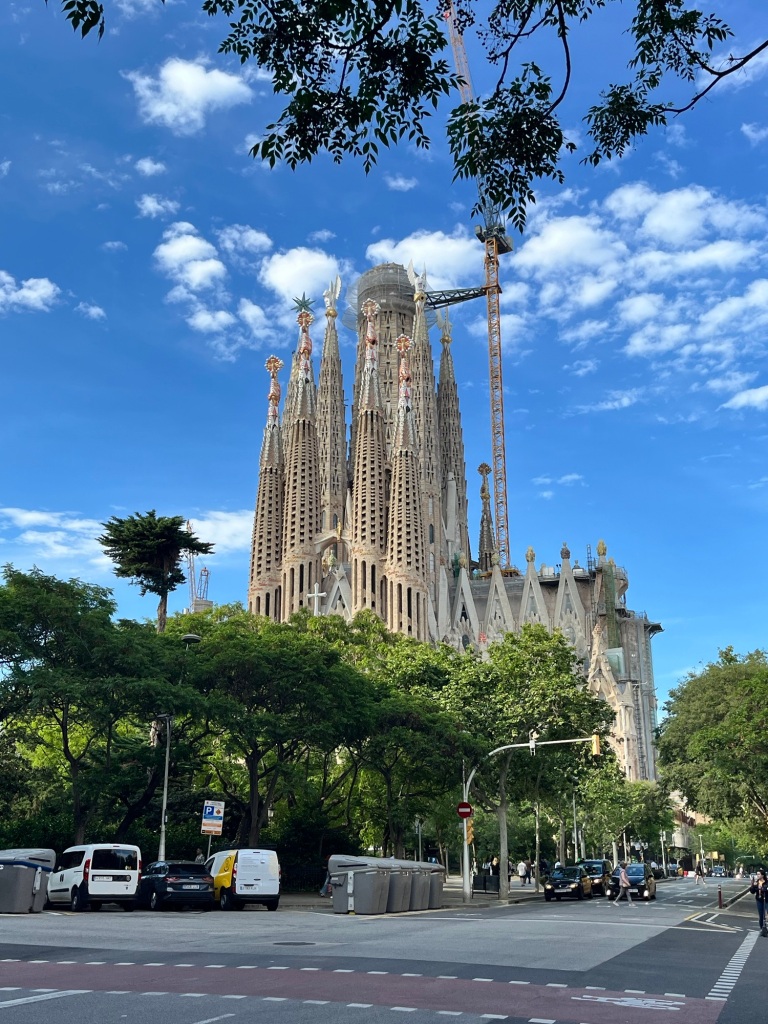
And last, but oh my, not least, we saw The Sagrada Familia, Gaudí’s final work which he never saw finished (and is in fact not finished yet).

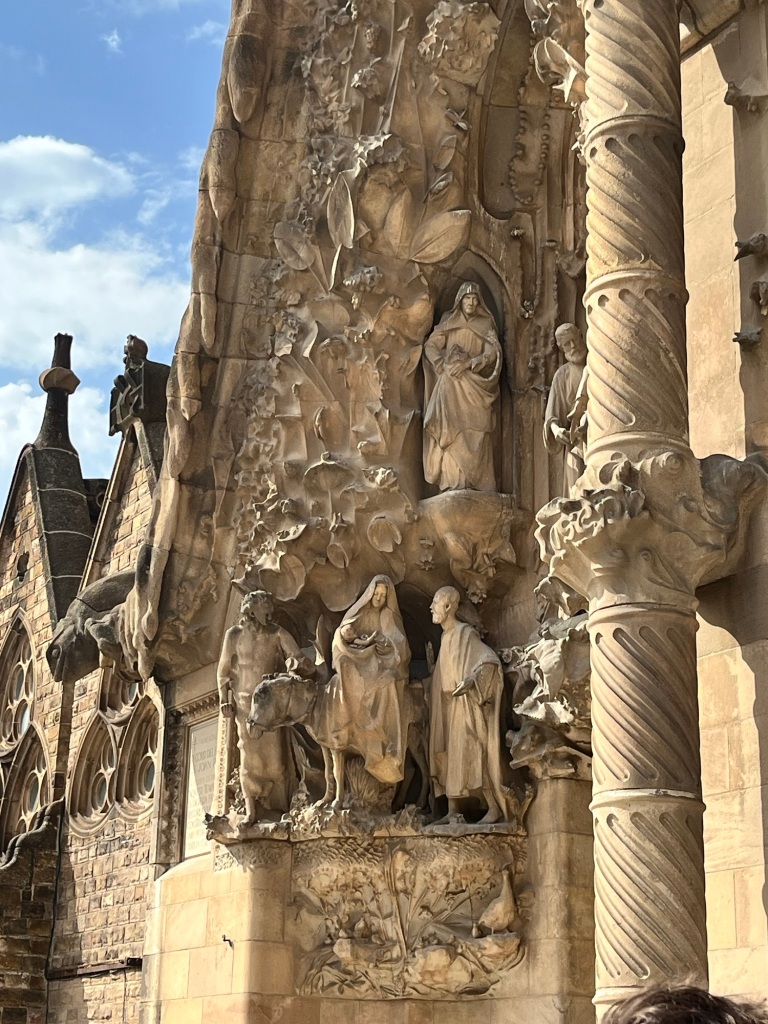
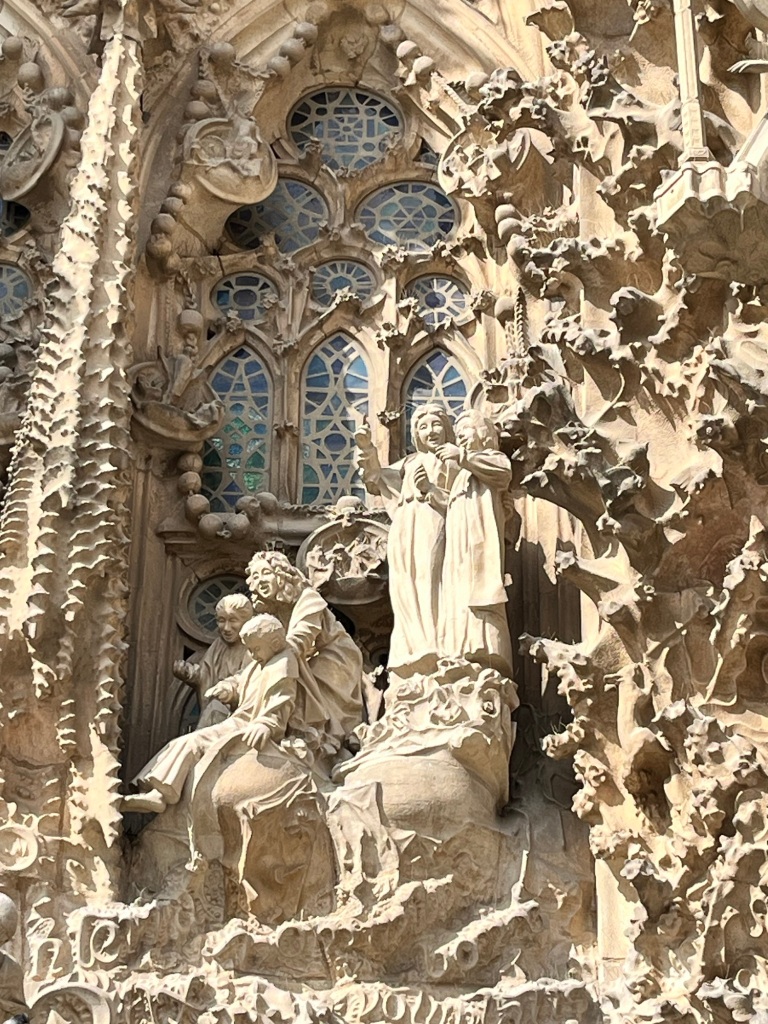
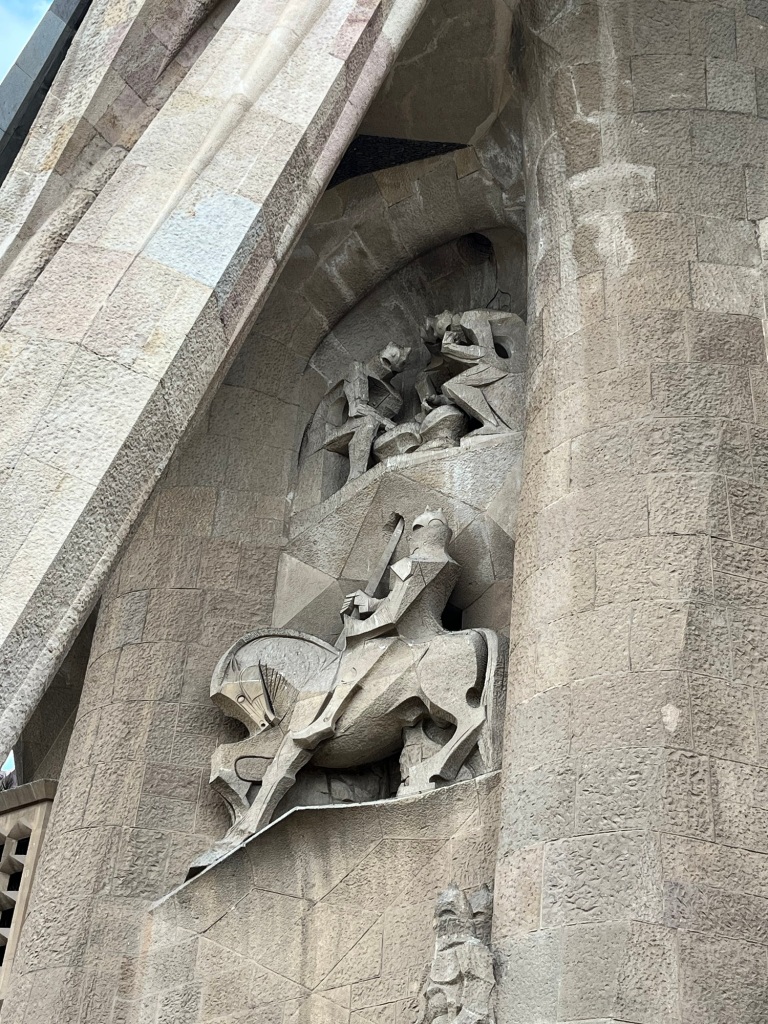
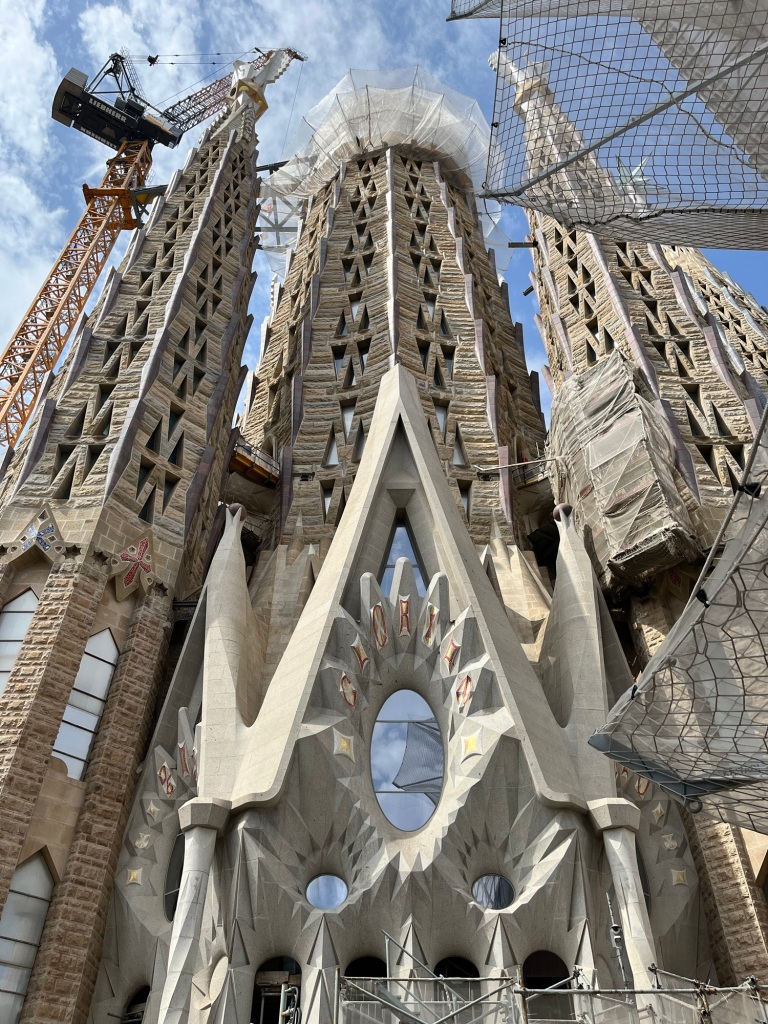
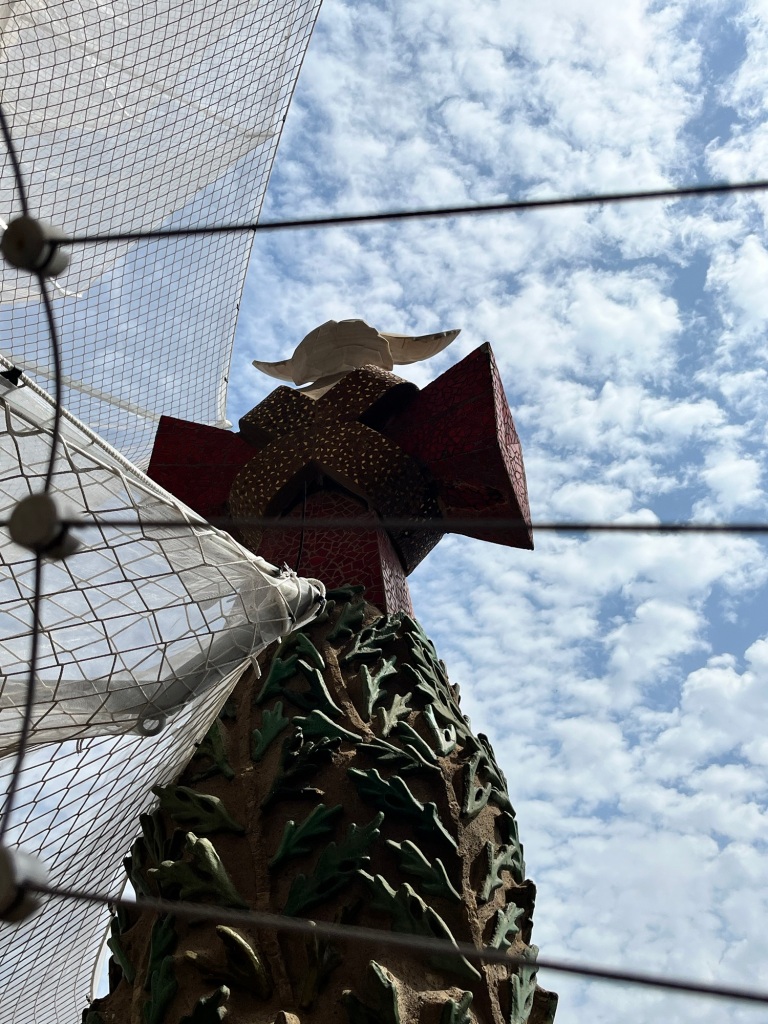
The exterior of the Basilica is covered in Biblical symbolism, Gaudí wanted the exterior to evangelize those who saw it.
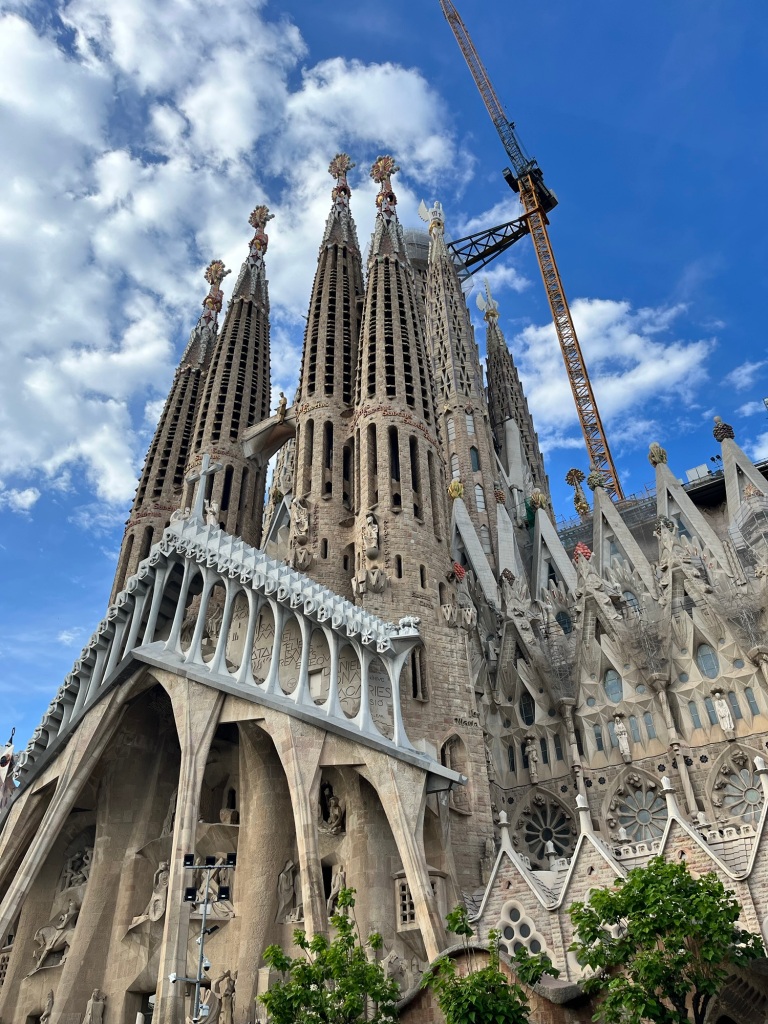
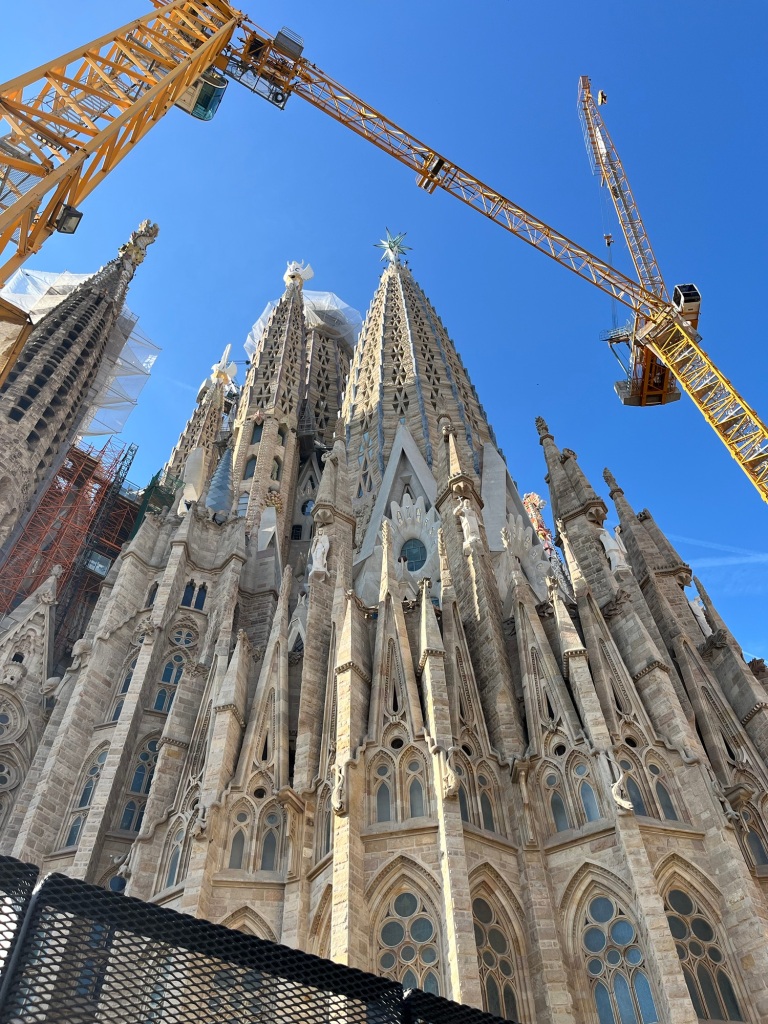
On one side, the Nativity Side, is dedicated to the birth of Jesus.
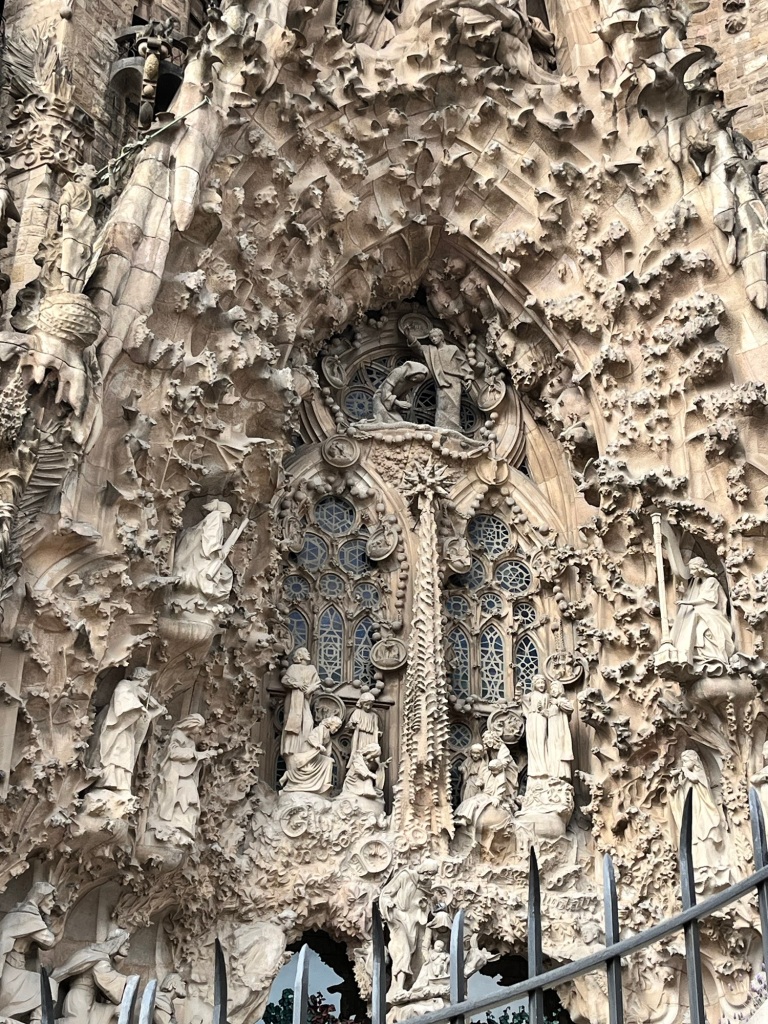
The other side, the Passion Side, is dedicated to Christ’s death. As you can see, this side holds a more somber look and feel than the Nativity Side.
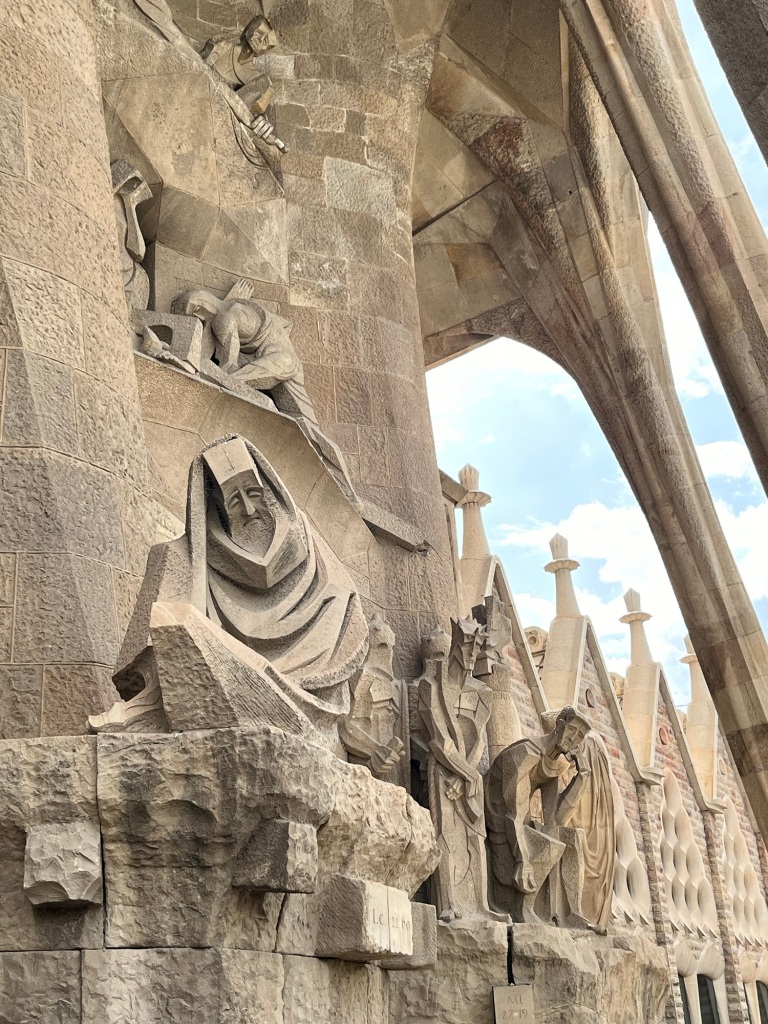
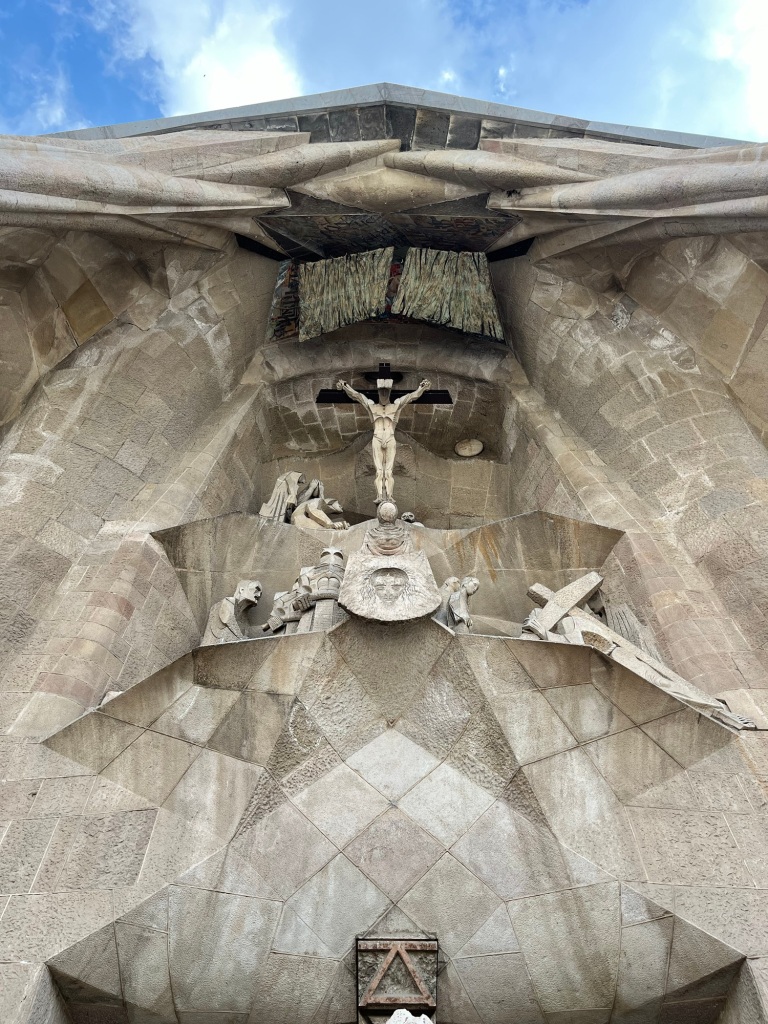
The third side, which is not complete will be the Glory Facade, representing Christ’s resurrection.

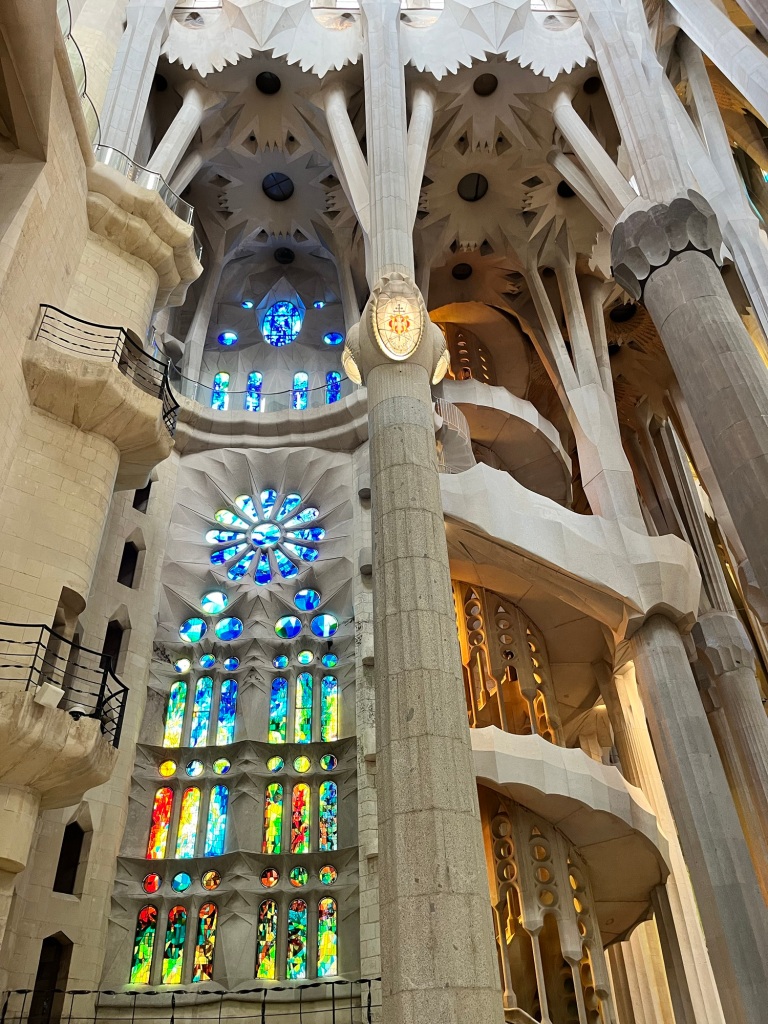
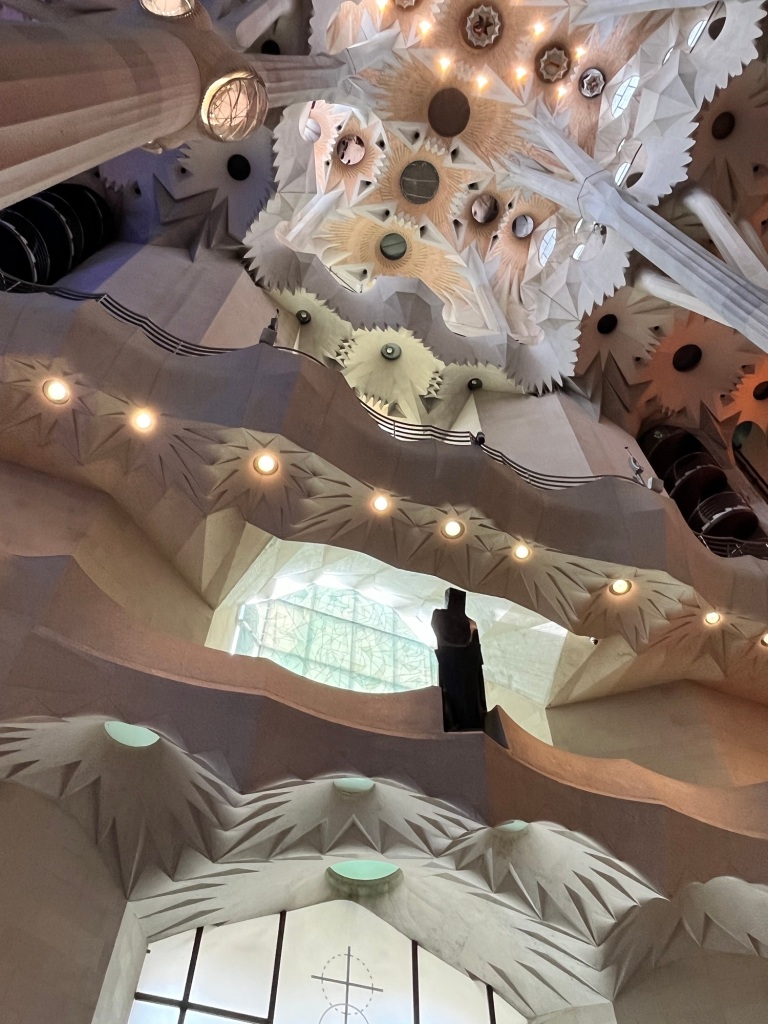
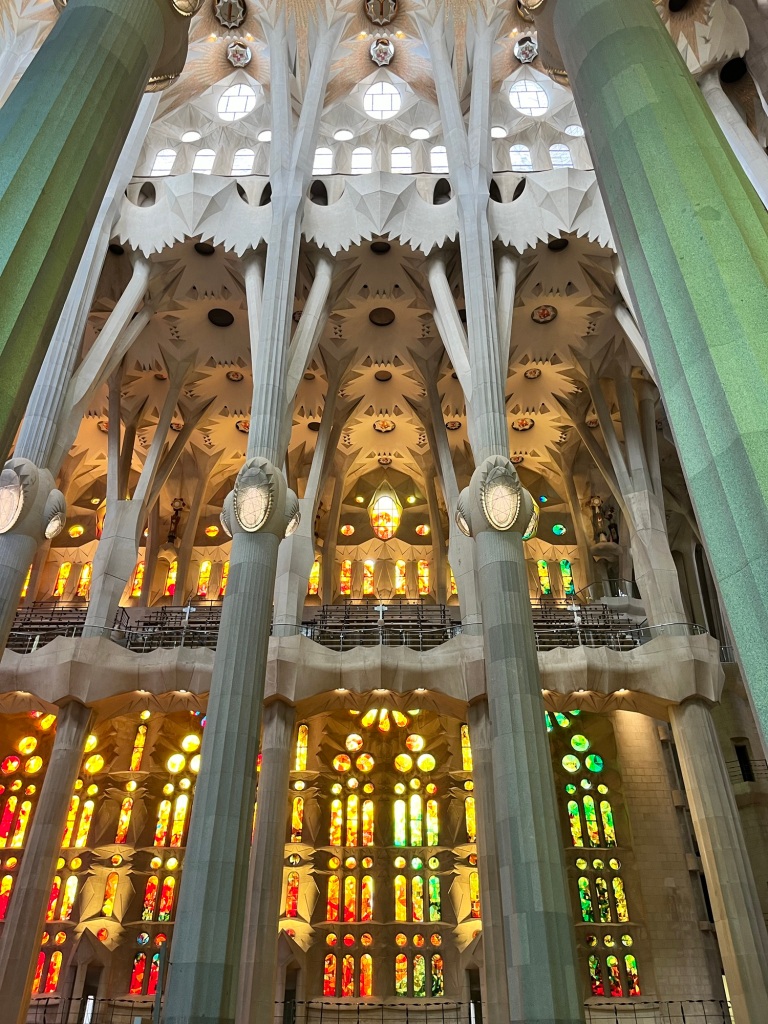
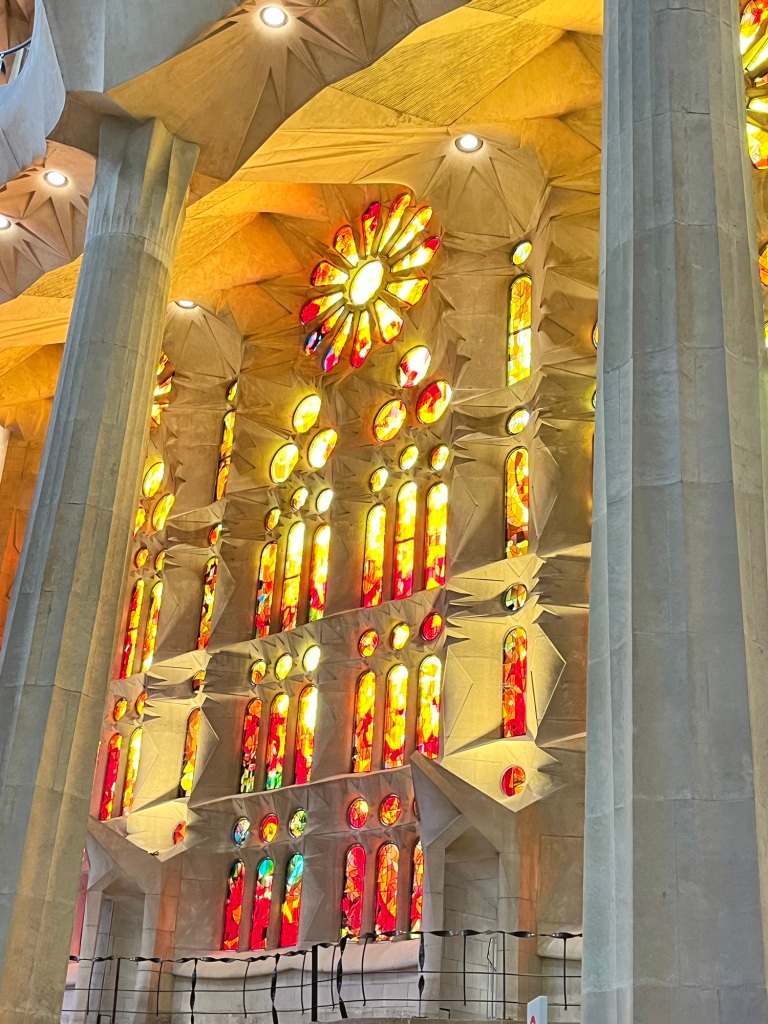
The inside of the Basilica, oh my. I was expecting the inside to be filled with imagery, but in fact found the opposite. Gaudí used a series of columns built to imitate a forest, builtin a gothic-naturalistic style. It has 36 columns and is laid out like a Latin cross.

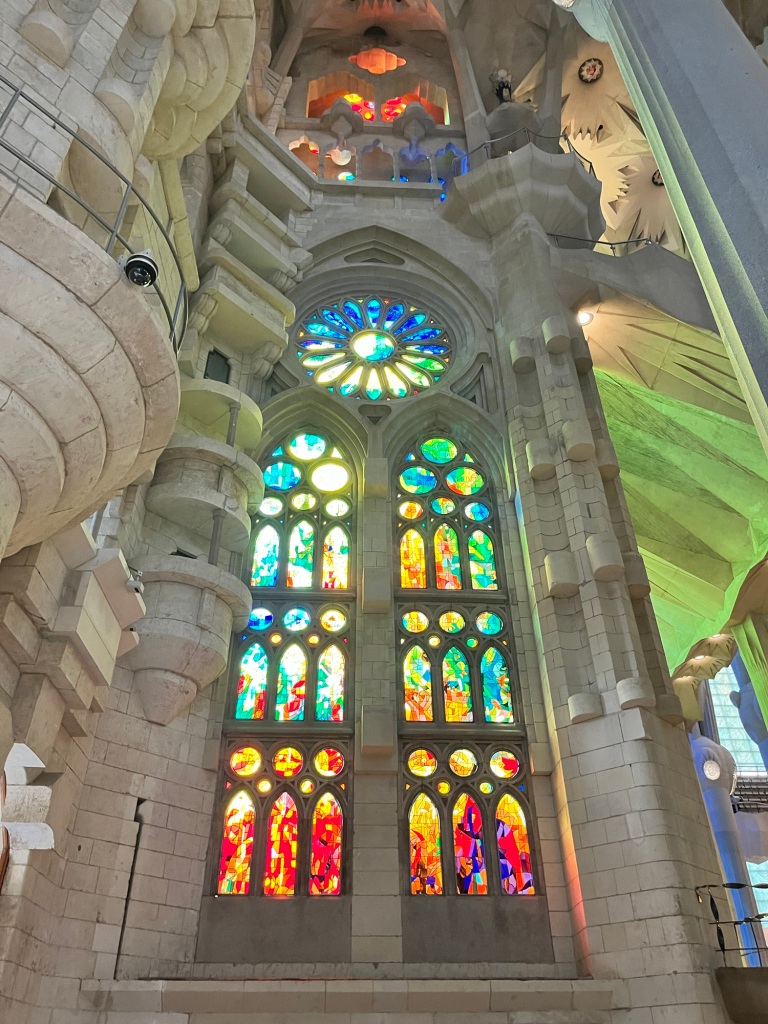
The stained glass windows set the mood, the yellow side reflecting the birth of Jesus, and facing East to the morning sun. The red side represents resurrection and faces the sunset.
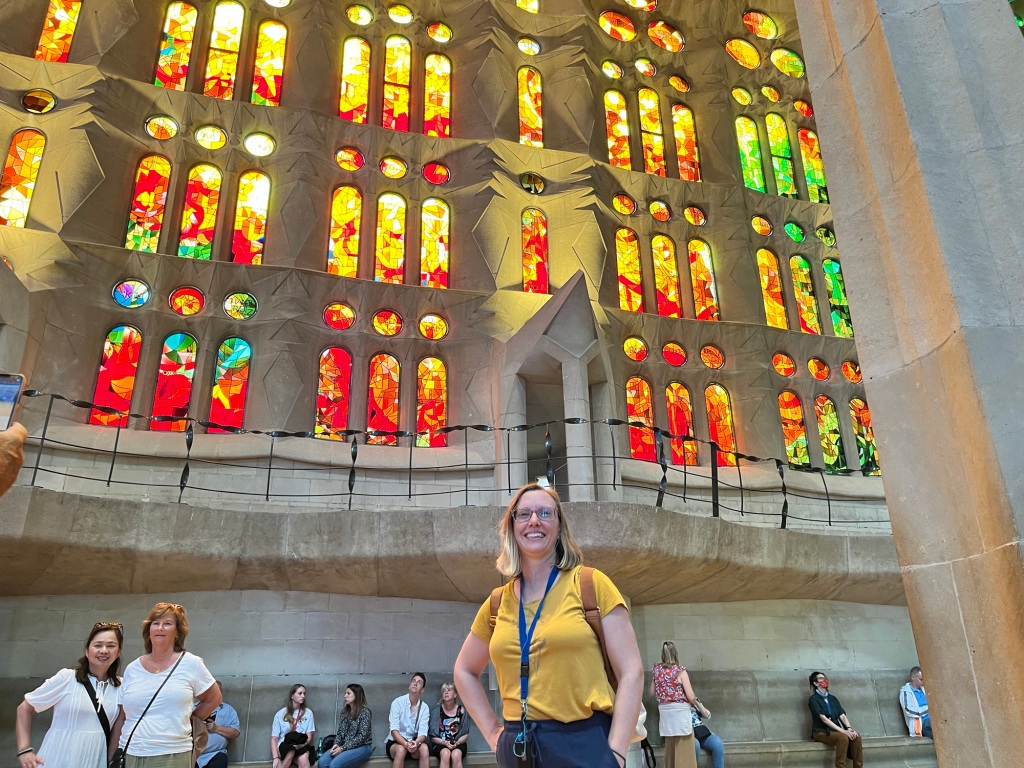
The Sagrada will stand at almost 570 feet, about ten feet lower than the nearby Montjuic, Gaudí thought nothing should be taller than God’s own creation. It does stand out nicely when viewed from Montjuic though!

Gaudí died in a terrible accident with a trolly and is now buried in the crypt of the Sagrada Familia. The final tower will be complete in 2026, but they expect the true front of the church (The Resurrection Side) to take another ten years.

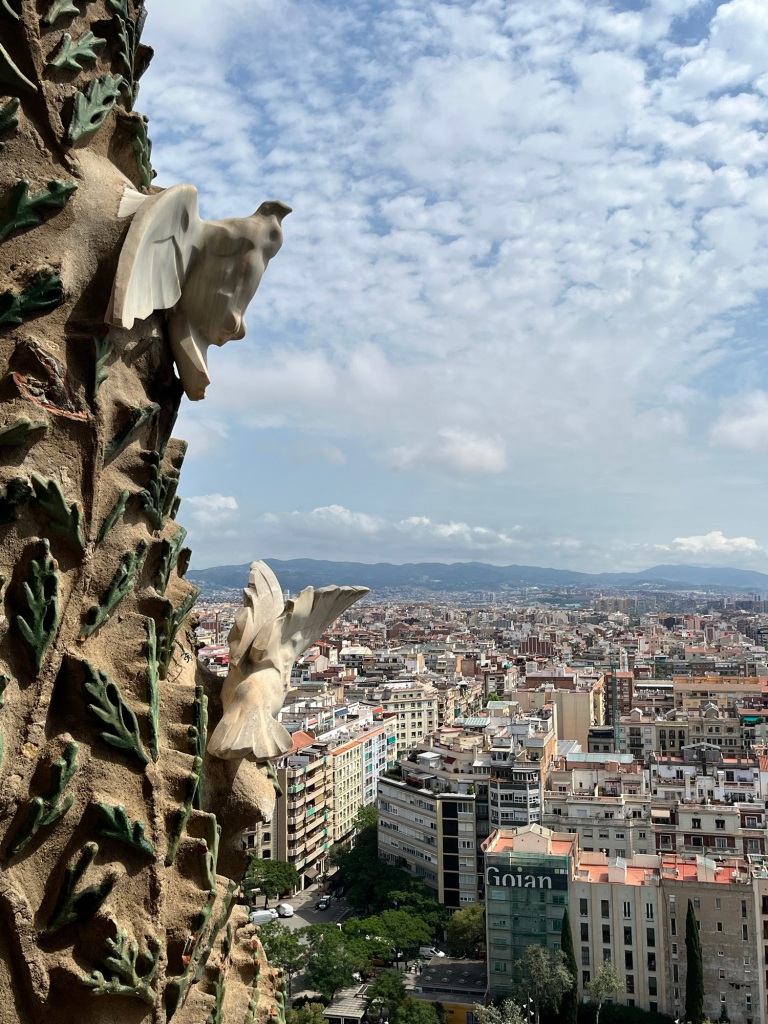
I’ll leave you with some spectacular views from the top of the Nativity Tower.

Barcelona, a Primer

I’ll confess that the last two days were pretty intense, and I hope I can keep track of it enough to give you the best parts. I feel like we saw most of the key points of the city already somehow, so I’m going to split this into a “basic Barcelona” post and then I’ll do one on Gaudi. Plus I’m still here for two more days! Though today we’re having a slower morning which I am very grateful for.

One of my favorite things about traveling with other people is that you do things that you might not have done on your own. My friend Ethan knew about a site called freetoursbyfoot.com that he has used in many cities, so we did the Barcelona one. The guides work for free and are only paid based on how you “tip” them at the end. I have mixed feelings about it because I’m sure some people stiff the guides, but I certainly would not be that person.

Barcelona, like many other places in the area, started as a Roman outpost in the 1st century CE by Emperor Augustus (though of course there are Neolithic settlements prior to that here). The original walls of the outpost were destroyed in the 19th century as Barcelona experienced an explosive expansion. There are 4 towers that still exist. Of course there are also remains of the Roman Temple of Augustus. When the Visigoths conquered the area, they dismantled most of the structure for use in other buildings. These are what remain in situ or were found elsewhere and replaced.

The Barcelona Cathedral was built between the 13th and 15th centuries, but the facade we see at the front today was added in the 19th century in the neo-gothic style. The original front was supposedly built in what is called an Aragonese Gothic style, you can find pictures of it online, it’s a much more simple gothic look that the current structure.

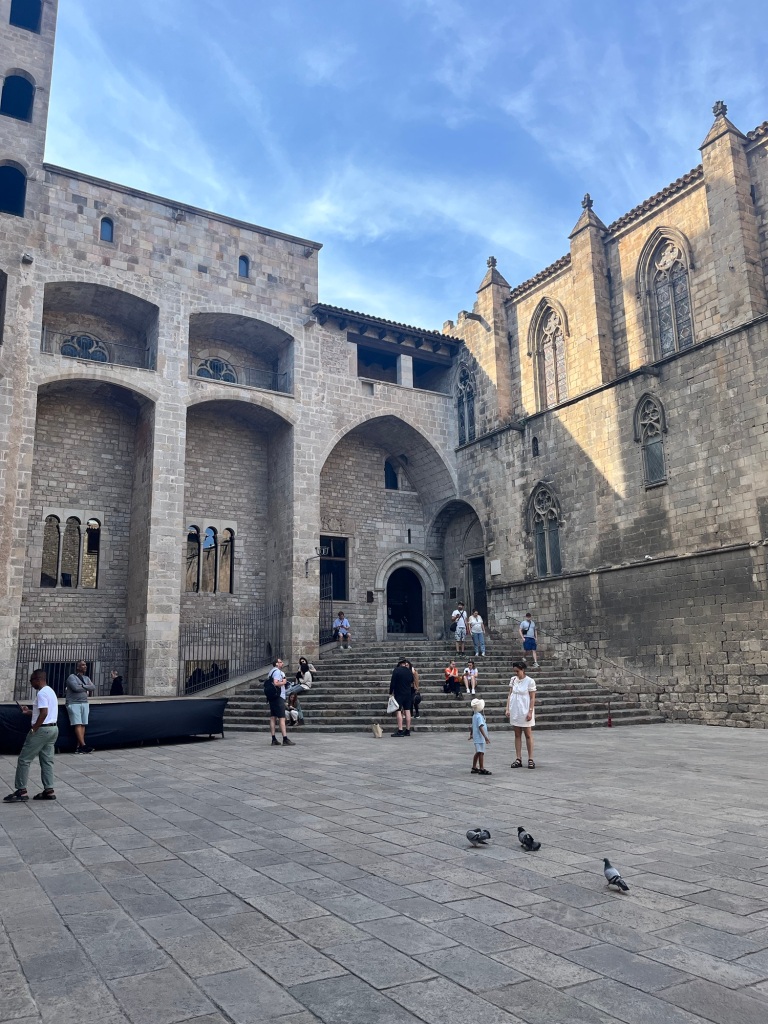
The old part of Barcelona includes some difficult modern history. Here at the Plaza de Saint Philip Neri, you can see signs of a bomb that was dropped during the Spanish Civil War from 1936-1939. The building on the left was an orphanage where over 40 children were killed.

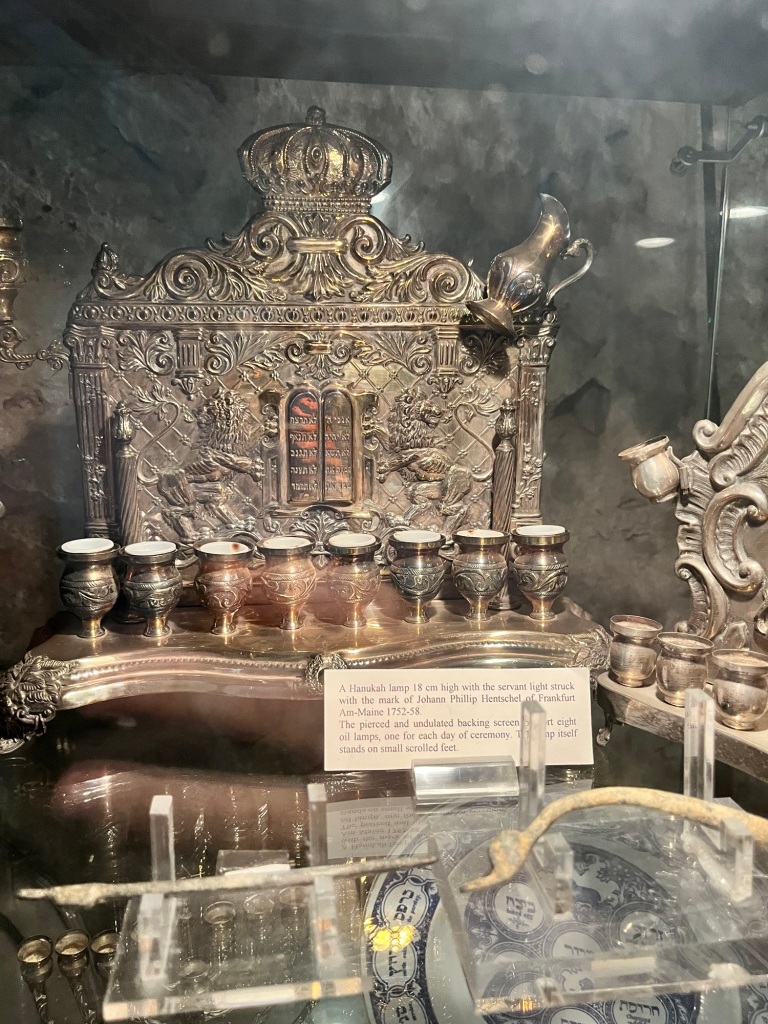
During the Middle Ages. Barcelona had a thriving Shephardic Jewish community. Persecution of this community began shortly after the Black Plague bevan, Jews were blamed for the deaths partially because the plague didn’t impact them as much. For the Spanish Christian groups at the time, cleanliness was NOT next to Godliness, so much so that Queen Isabella said she only bathed twice in her entire life! In contrast, Jewish rituals require weekly bathing, which has the added benefit of helping stave off diseases. As the Jewish population was run out of Barcelona (or massacred really), much of their history was erased or hidden over time. Some time in 1987, a historians went looking for synagogues and found this building. How do the know it was a synagogue. The wall that faces Jerusalem is one hint on the outside, especially since it didn’t follow the pattern of the other buildings in the area, but the place for the Mezuzah is a major giveaway.

See the hole at the top right of the door in the rock? That’s where a Mezuza goes.

We went back to the synagogue the next day because I wanted to go inside, and I’m so glad we did! It turns out that it was established as a synagogue in the 3rd century!!! Part of the original wall and keystone can be seen with the Roman Numeral 18, which in Hebrew stands for life, a dead giveaway that this was for sure a synagogue!

See the Roman numerals on the left side of the square block?

The building is quite small now, but even at its biggest, it was not allowed to be larger than the smallest church.

All of the artifacts inside were donated from other places, the Torah scroll here was found in a Moroccan flea market. It’s technically not a kosher document though because it was never completed.

Of course we can’t be in Barcelona and not have some Columbus history. Here is the Chapel of Saint Aragon where Columbus presented his gifts to Ferdinand and Isabella after his first voyage to the Americas.

The Patron Saint of Barcelona is Saint George (who slayed a dragon, saving a princess and a town from the extortions of the dragon. There are signs of the story all over Barcelona (including one of Gaudí’s houses which I’ll show in the next post).

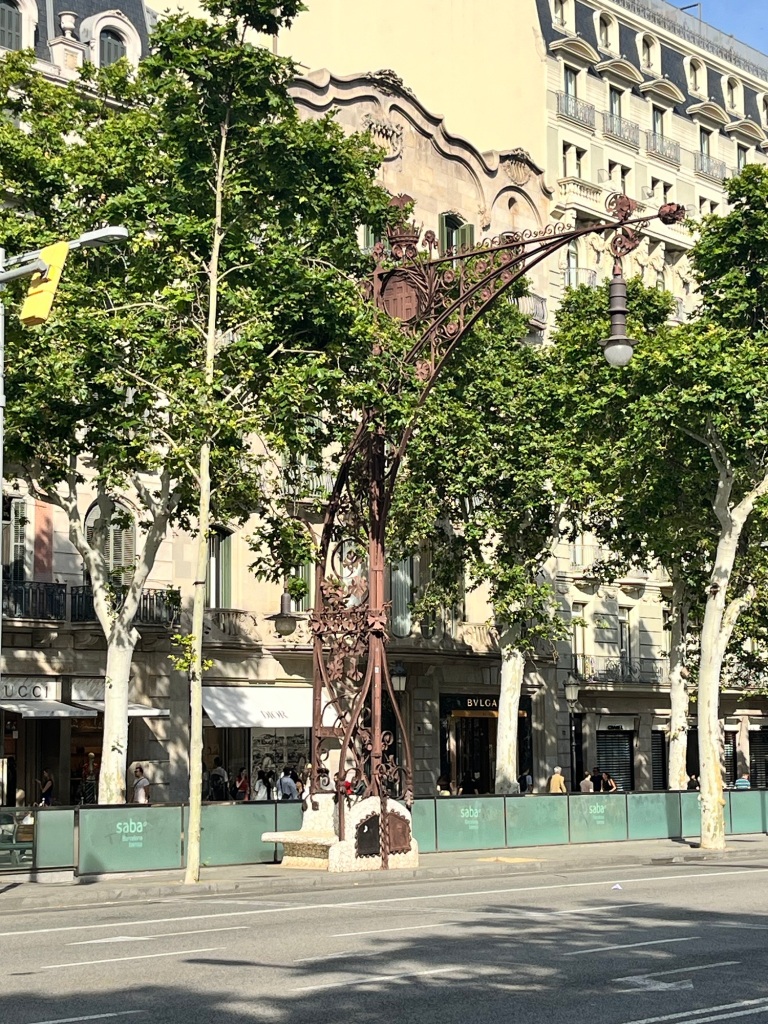
I think this post is getting unwieldy, so I’ll leave you with some pictures from outside of the old city, It’s such a beautiful city filled with amazing architecture and history everywhere you turn!

The Alhambra, a dream come true

I’m honestly not where to start with today’s post. Many years ago, my mom planted a seed of history and romance when she told me about The Alhambra. I’m only sorry I couldn’t take her with me!

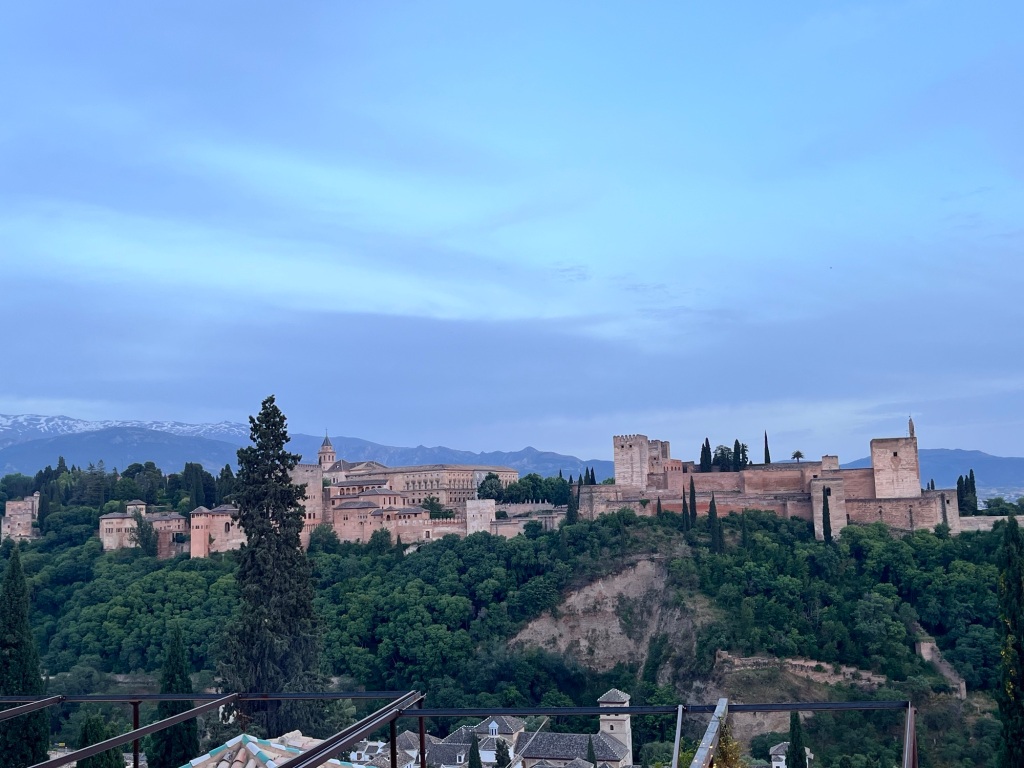
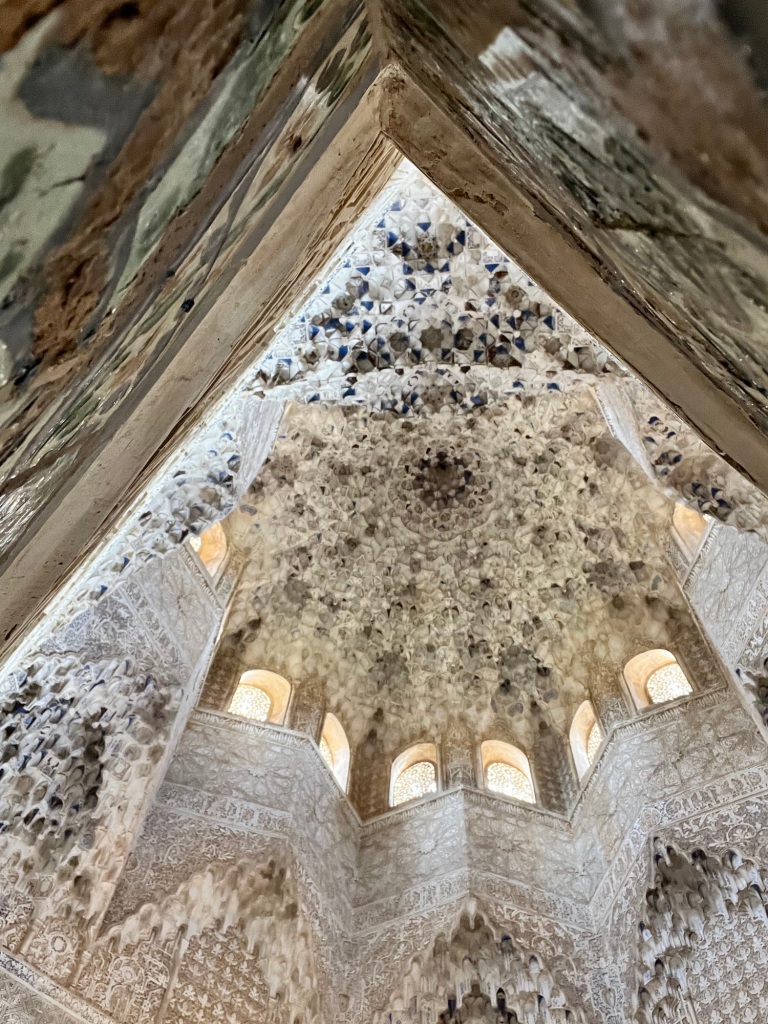
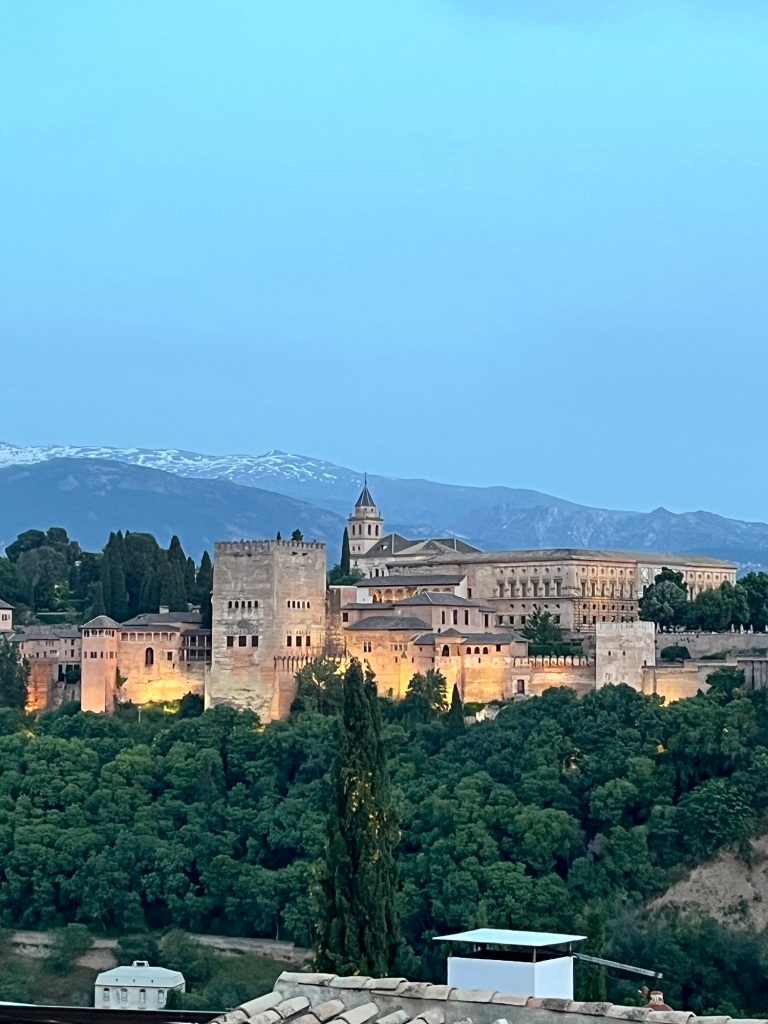
The Alhambra is a Moorish palace (Muslim) started in the 9th century on the site of a fortress. Over the years it was extended, the castle added that same century. The first King of the Nasrid Dynasty established his royal residence there 13th century and 23 Sultans would call this home until Ferdinand and Isabella show up.

View from the other side of the city

Our tour started in an addition that was started by Charles V (the Holy Roman Emperor) in the 16th century. It’s clearly a Renaissance style structure, but was not finished due to the rebellion of Catholic descendants or the Muslims under the Catholic Rule of Ferdinand. Many of these people were forced to convert to Christianity but then treated as second class citizens for years.

Booooring

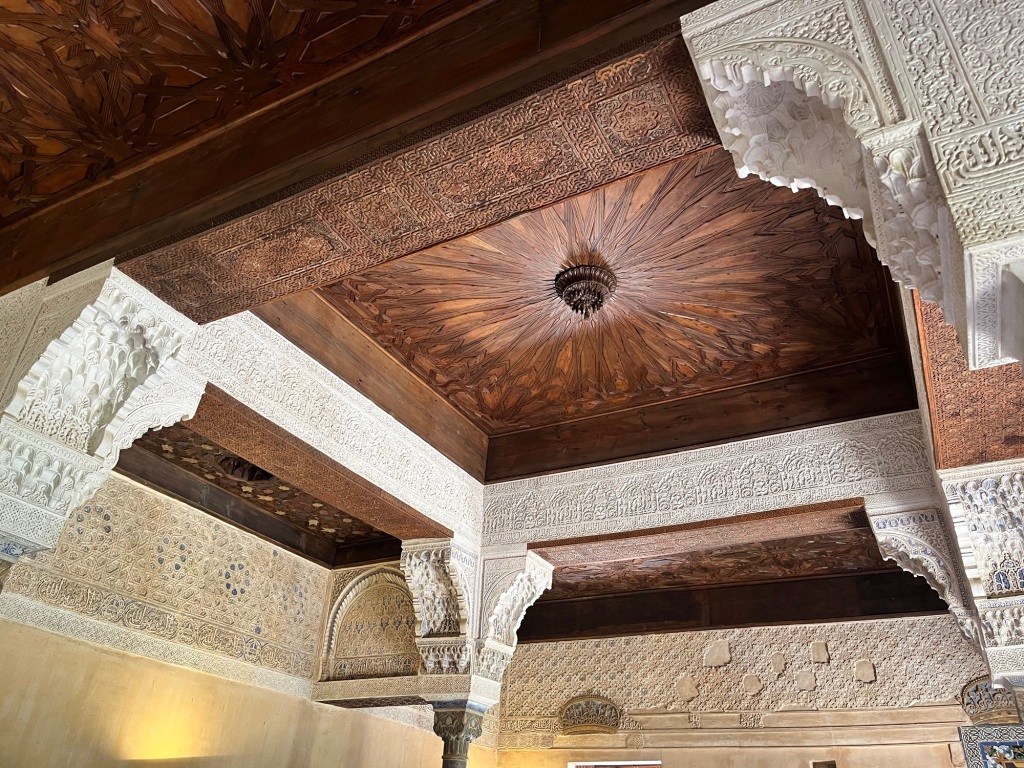
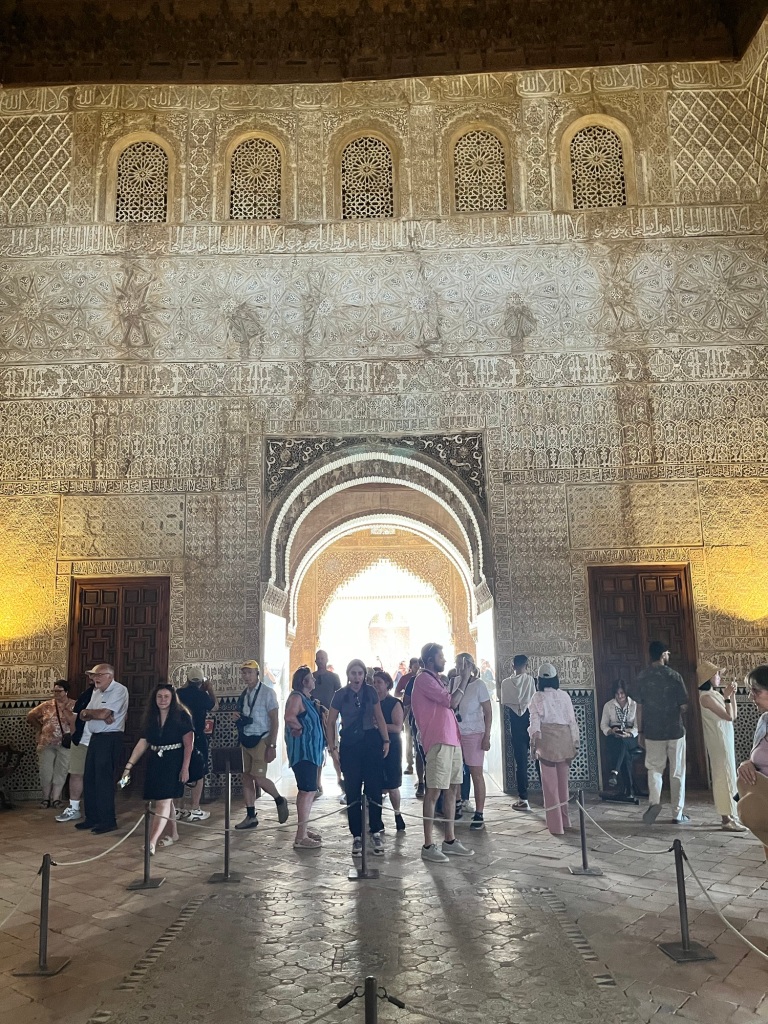
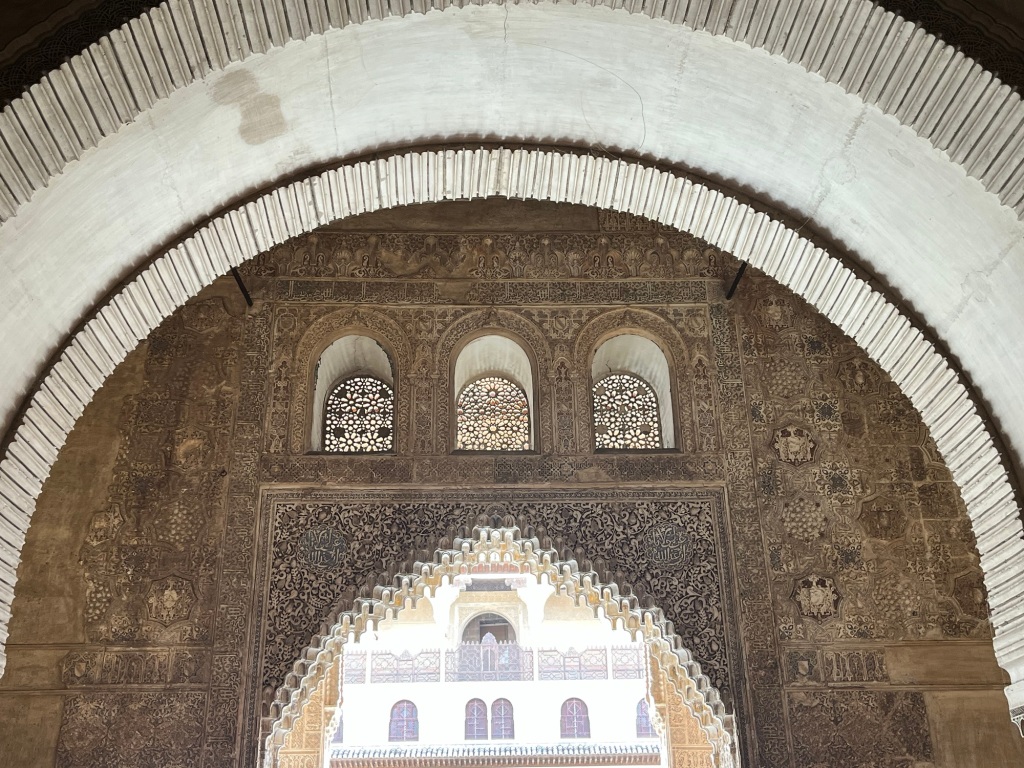
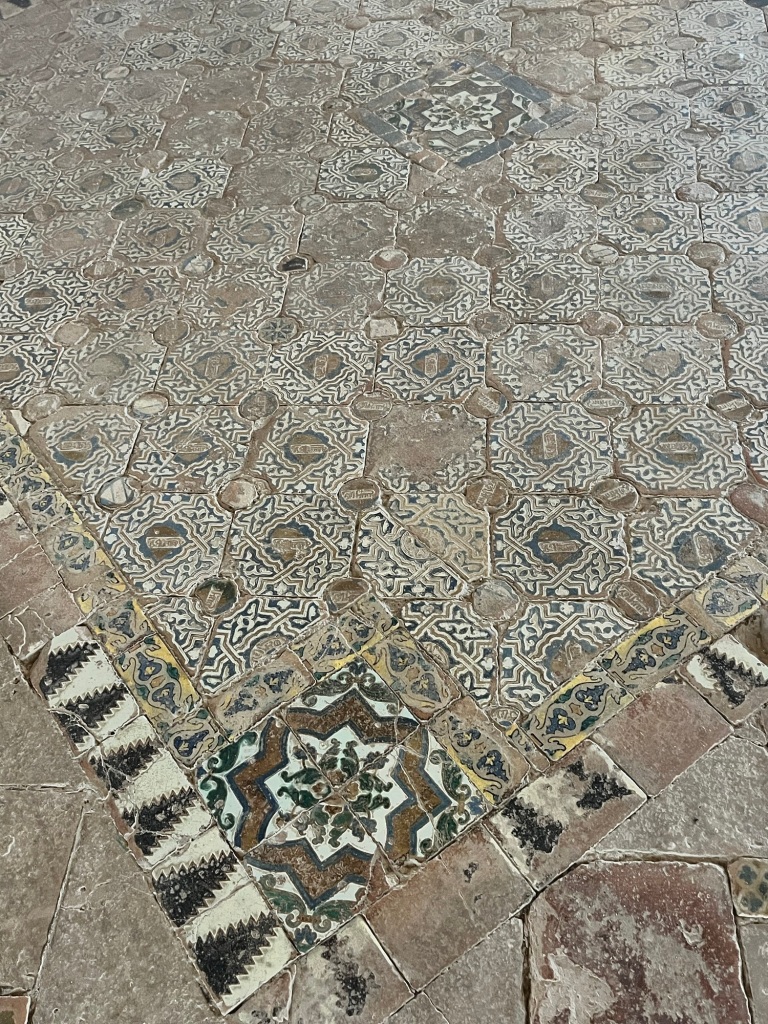
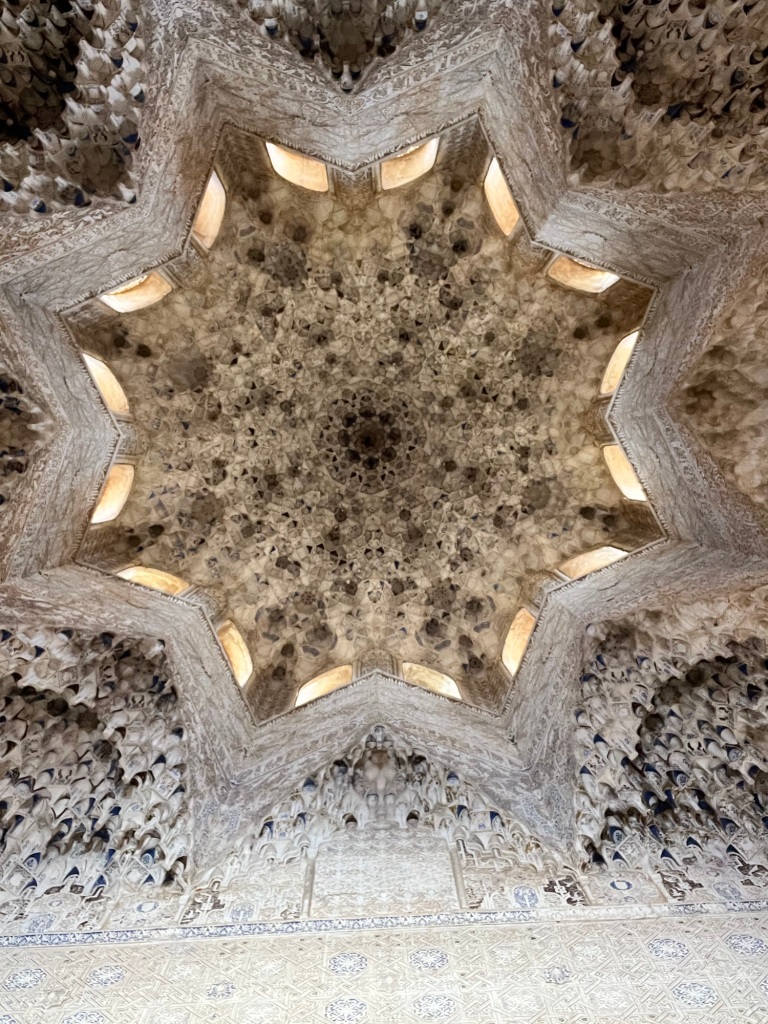
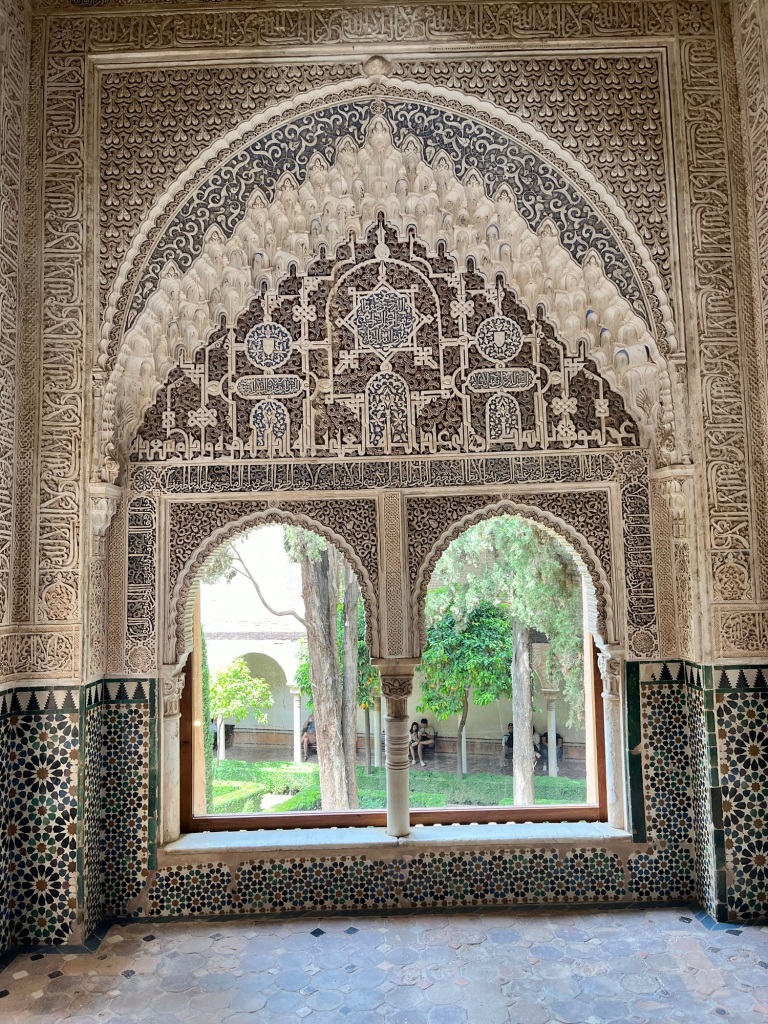
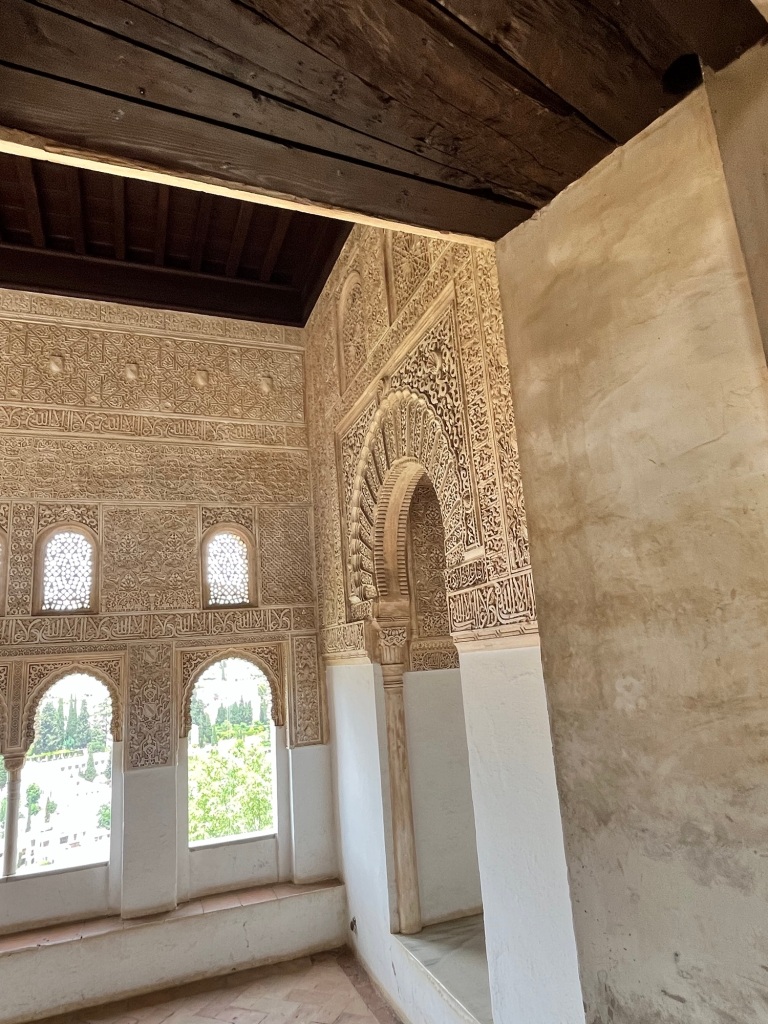
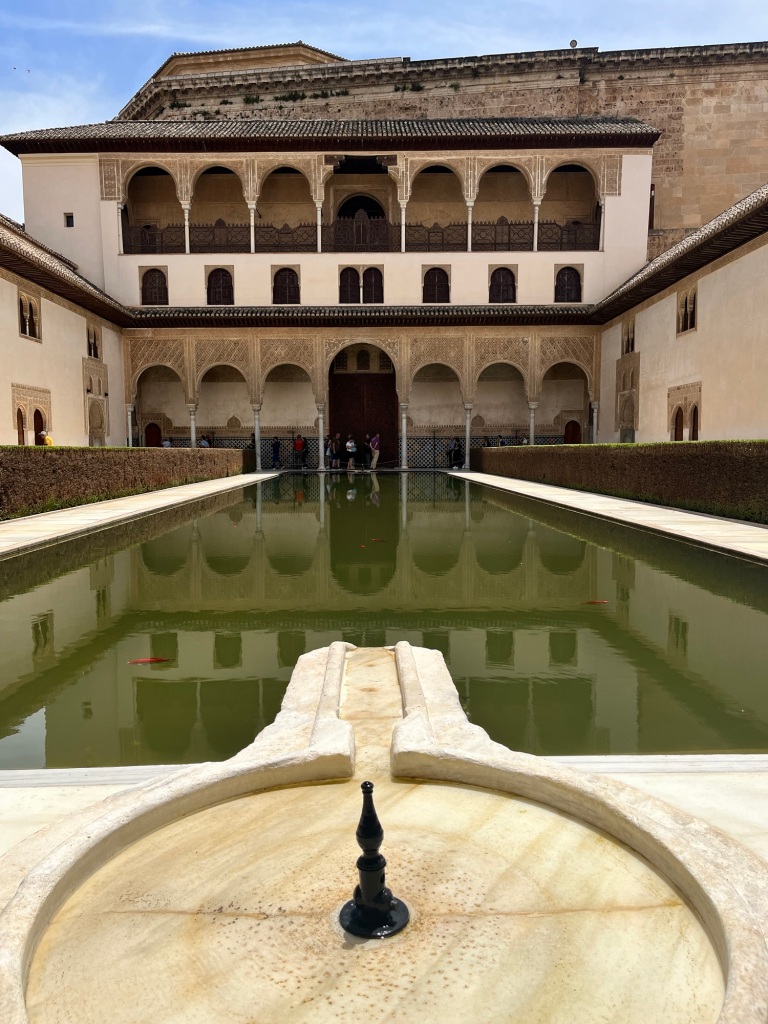
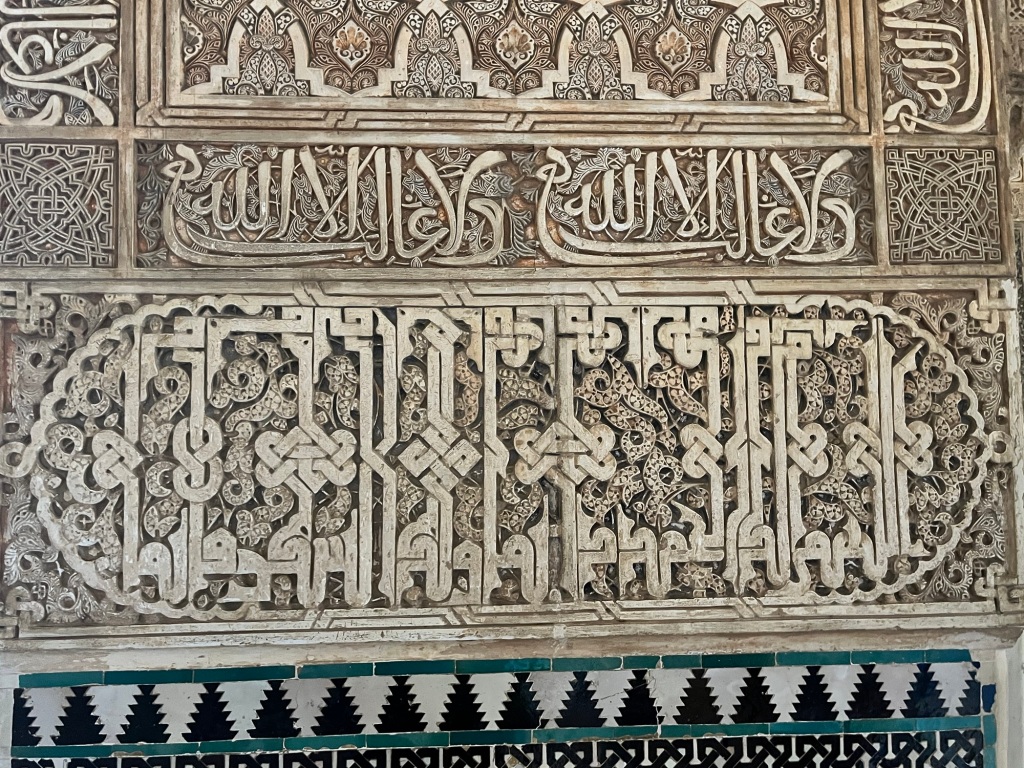
Moving on from there we go to the Nazarid Palaces, of which there are three: Administrative, Political and Private. These palaces were changed under Isabella and Ferdinand, but restored in the early 1900’s. The primary remains of the Catholic monarch’s additions are any gold leaf added to the ceilings and a balcony and chapel added in the Administrative Palace.

The Administrative Palace is the plainest of the three because it was the most public area in the Palaces. The windows here were added by Isabella in the 15th century.

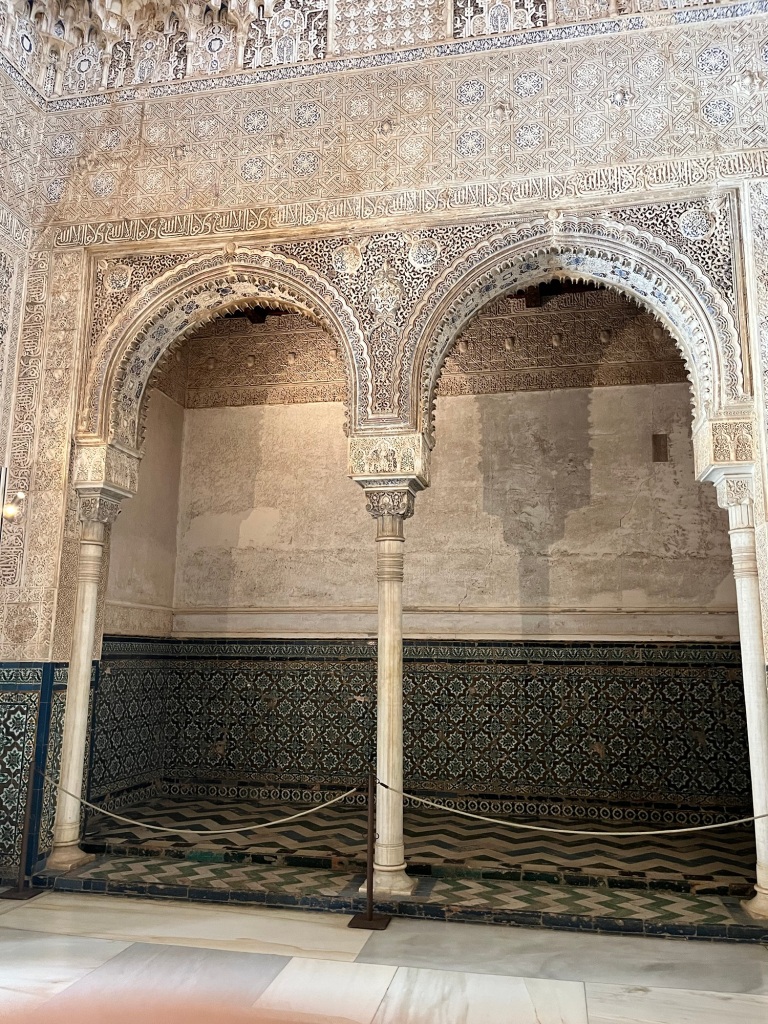
The Political Palace was where the King would receive state guests and representatives. The throne room was spectacular!

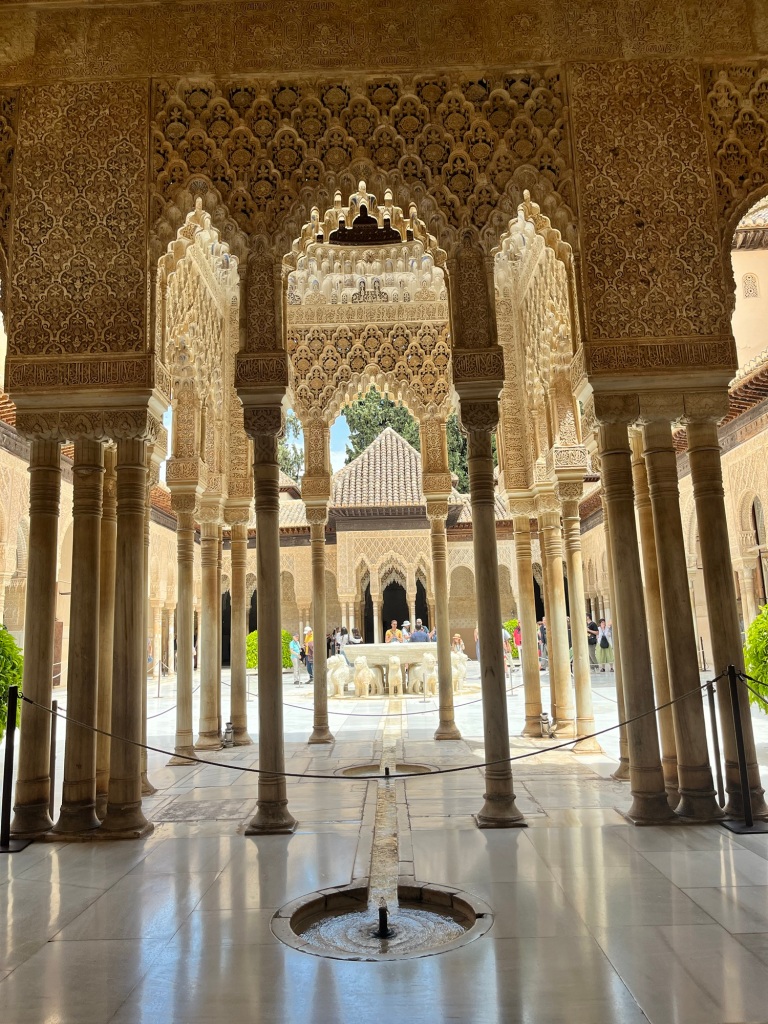
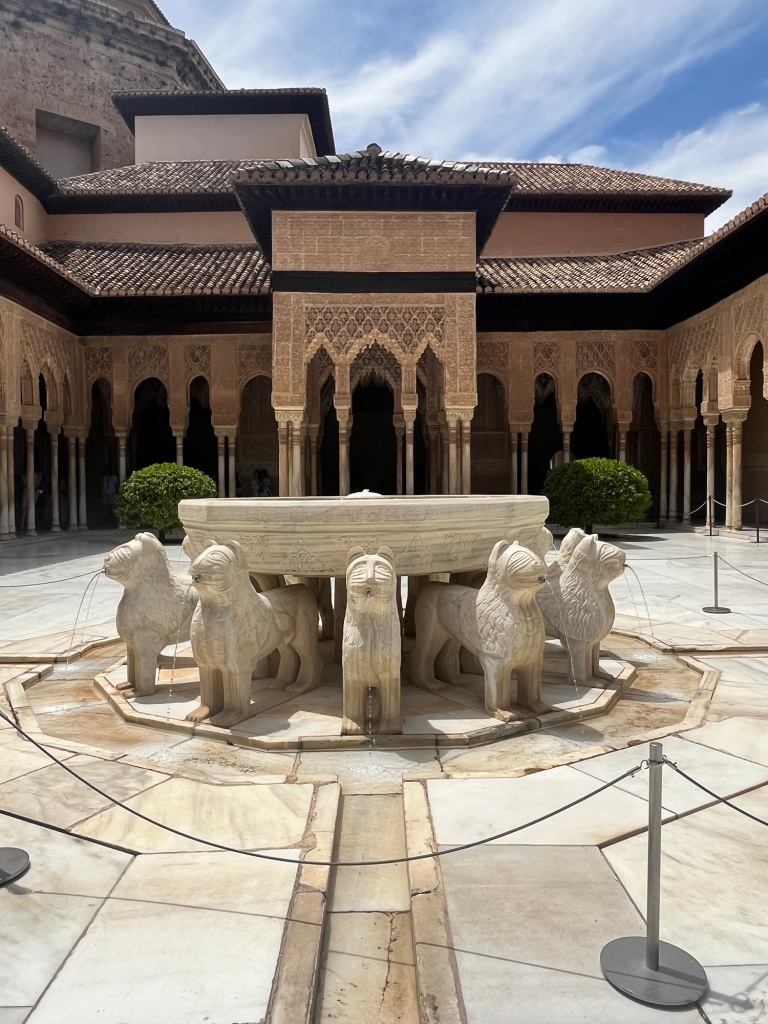
And finally, the crème de la crème, is the Private Palace that housed the Sultan, his wives and up to 150 concubines. The Sultan was allowed to have no more than 4 official wives, the first of which was called the Sultana, a position of great power and privilege. The Sultan’s concubines lived in the upper rooms of the palace where the public could not see them. The only courtyard they could visit was in the Private Palace, the Lion’s Courtyard, built as an allegory to Paradise.

Inside the courtyard is a fountain that was given to the Sultan by a Jewish Vizier. During the Moorish rule of Andalusia, Jews, Muslims, and Christians lived in relative harmony with one another. It wasn’t until Ferdinand and Isabella conquered the area that Jews and Muslims were heavily persecuted.

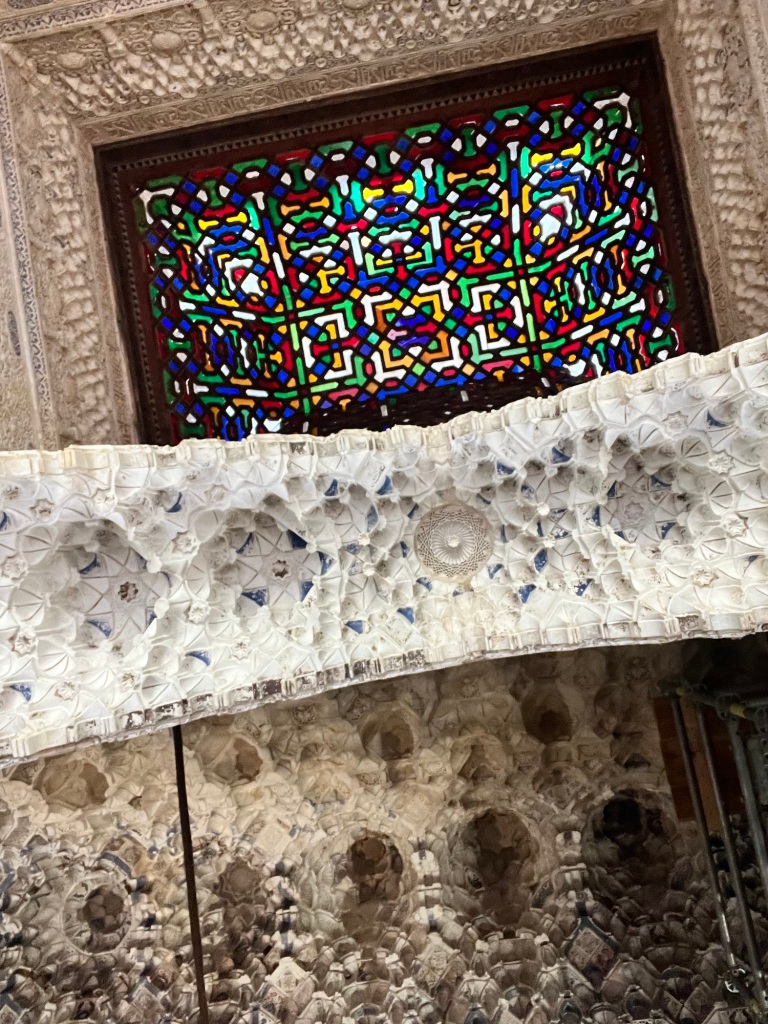
The only remains of the original stained glass

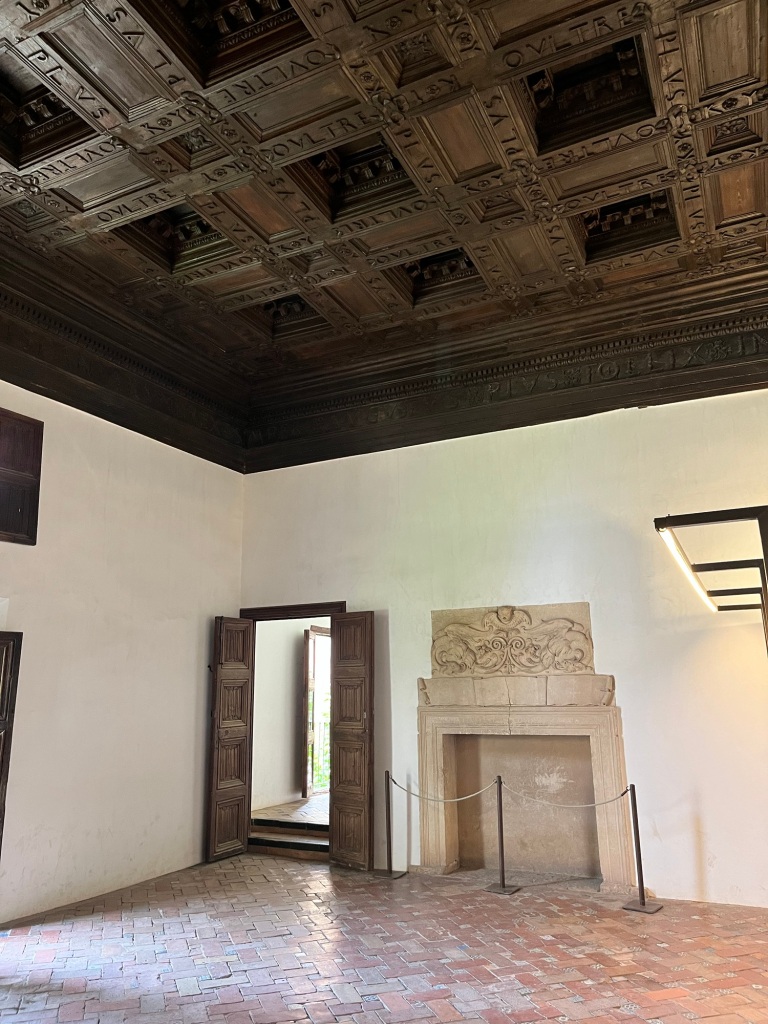
Leaving the Nazarit palace is a complete let down. Here we have another building built by Charles V, which is quite plain. The only thing I enjoyed is about this area is that it is where Washington Irving wrote “Tales of the Alhambra” in the early 1800s, a century before the palace was restored. The book is a memoir of his time wandering the ruins but also a collection of myths and stories about the area.

Charles V had no imagination. That fireplace is the only decoration.

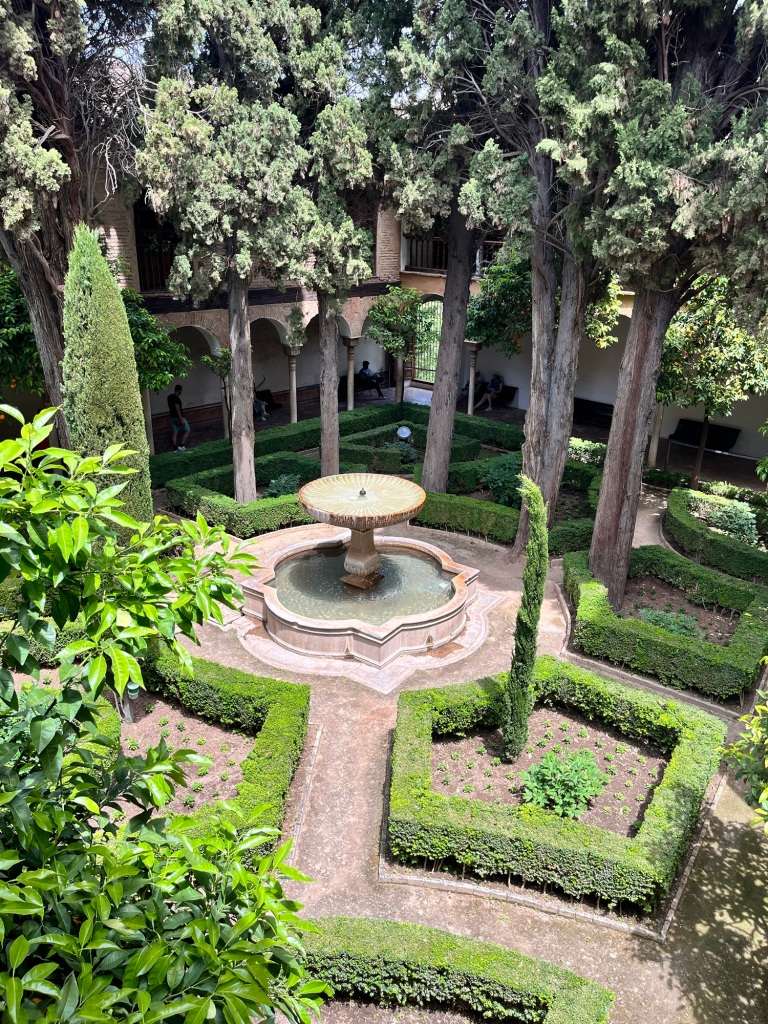
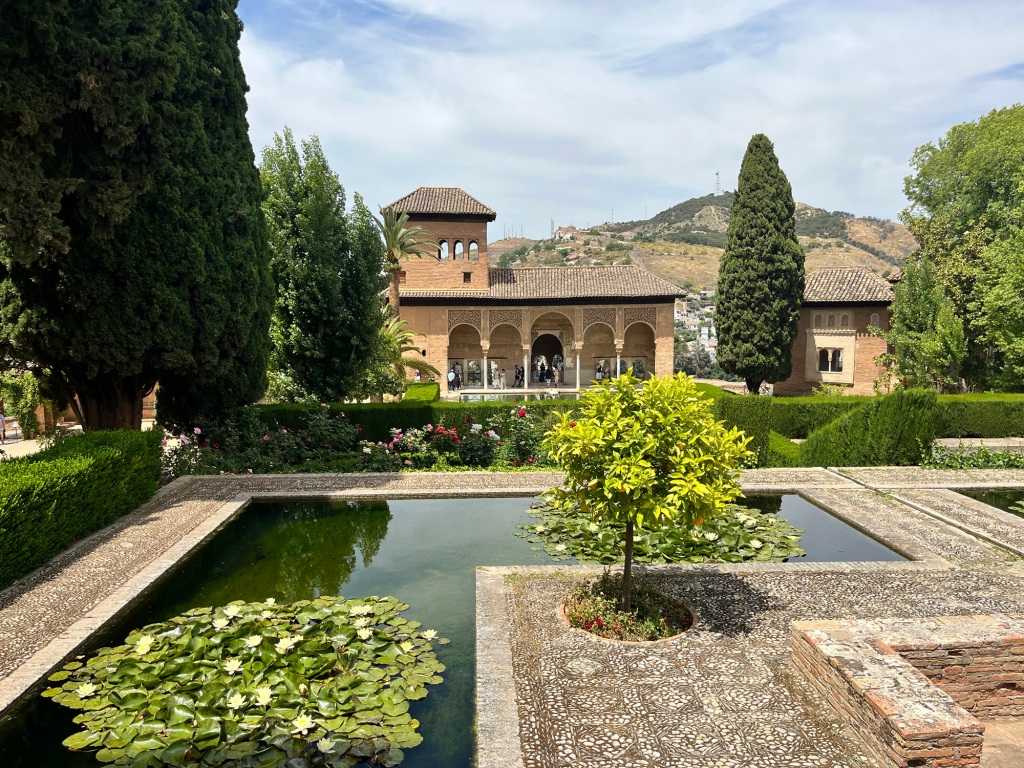
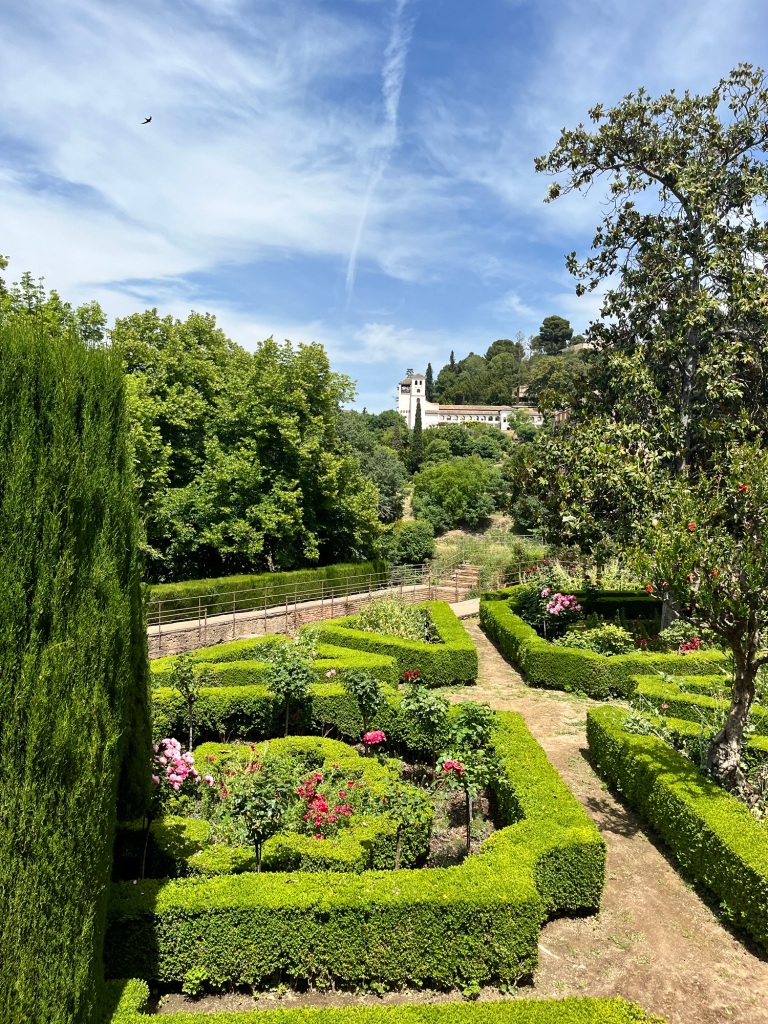
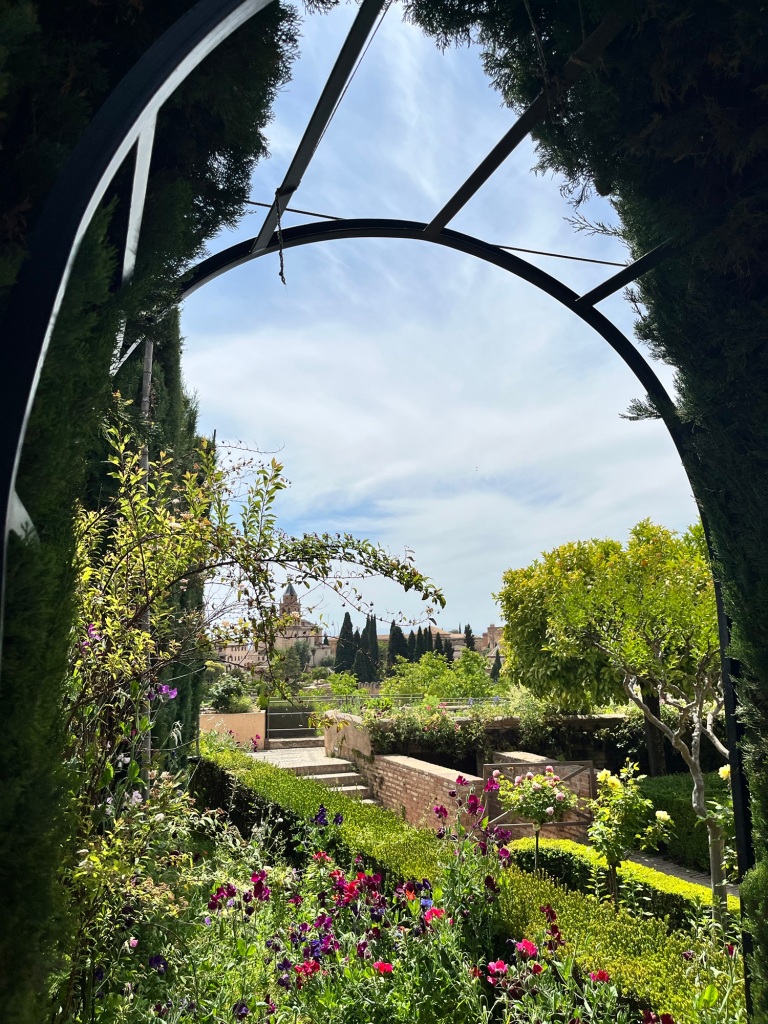
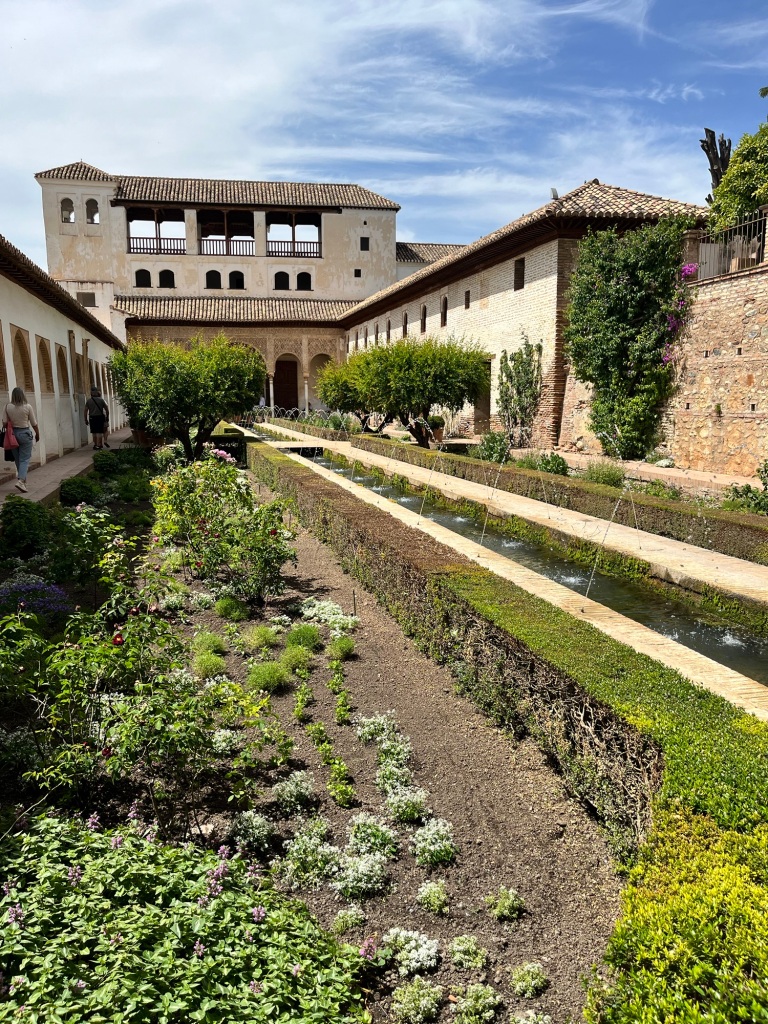
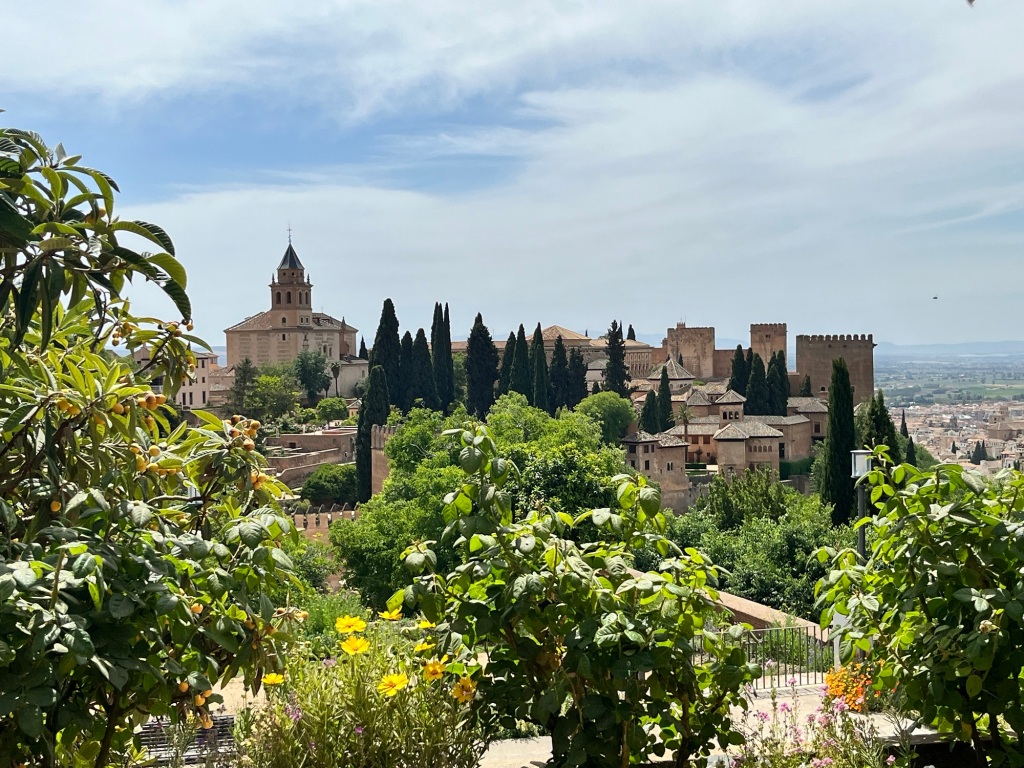
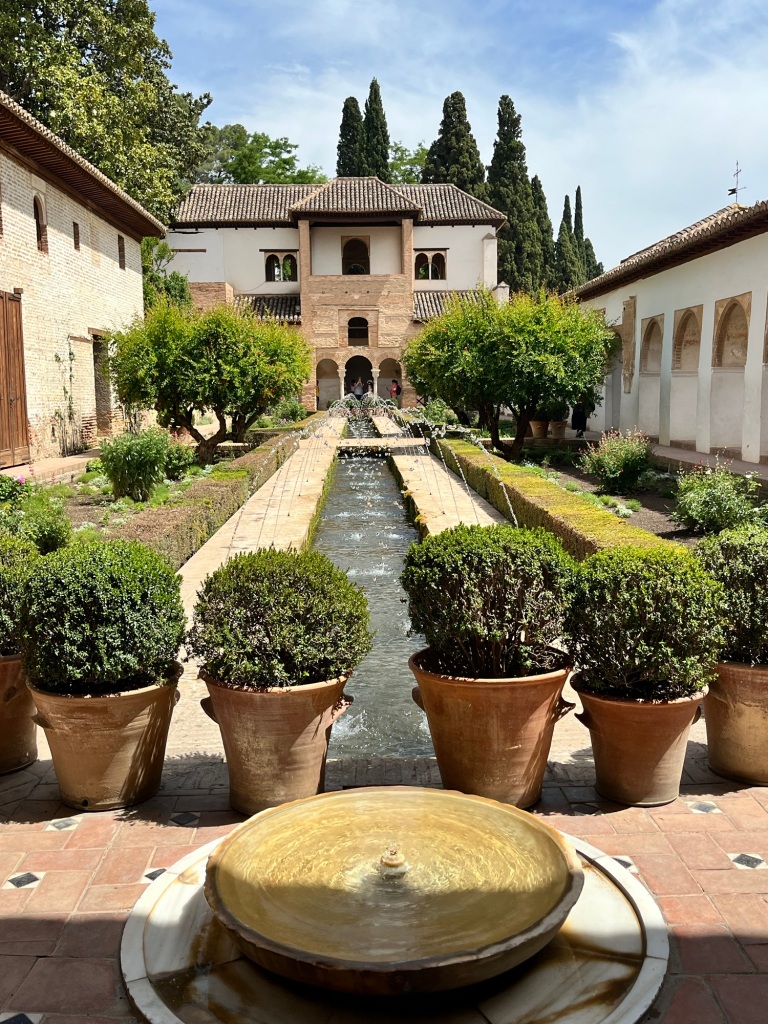
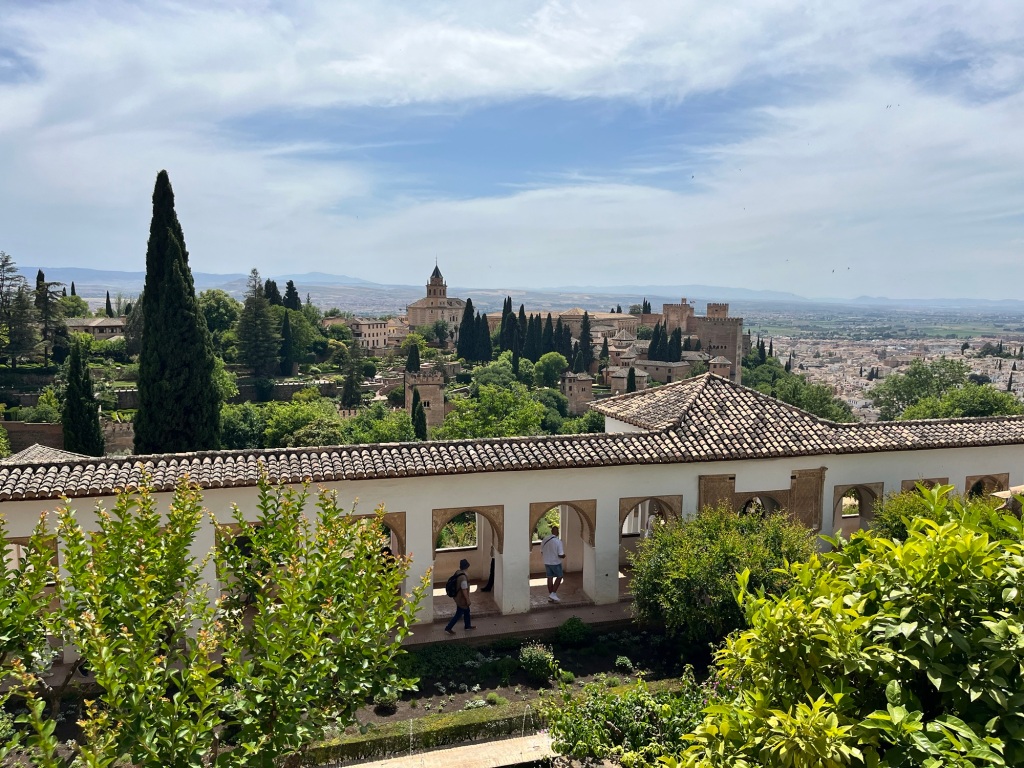
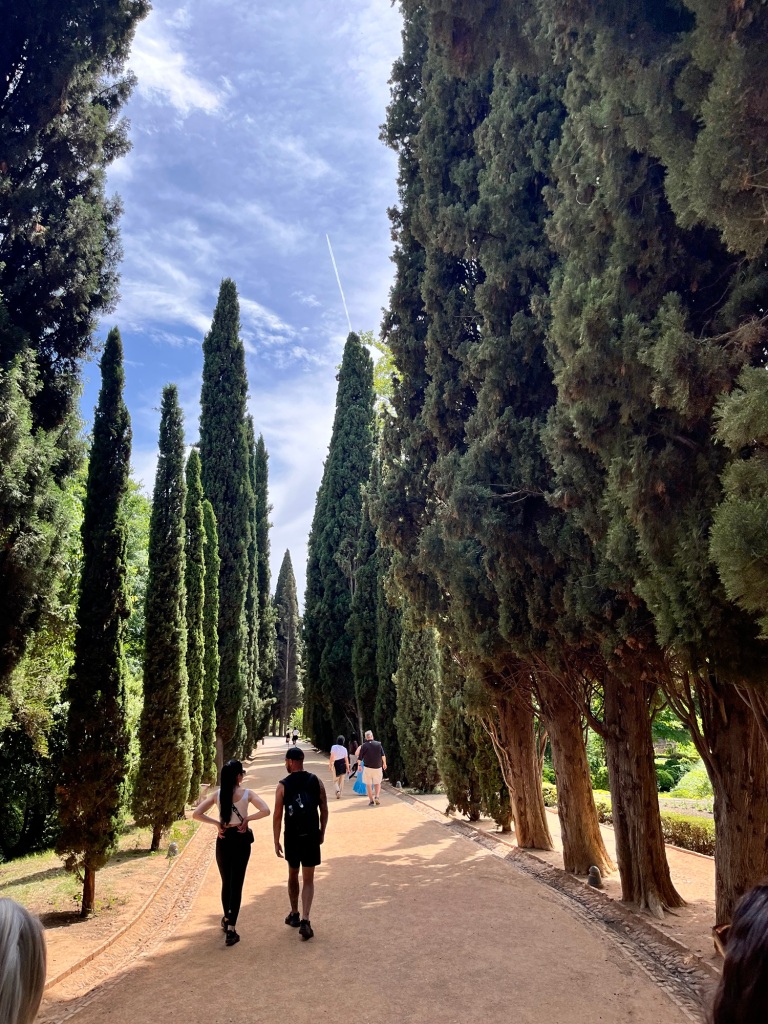
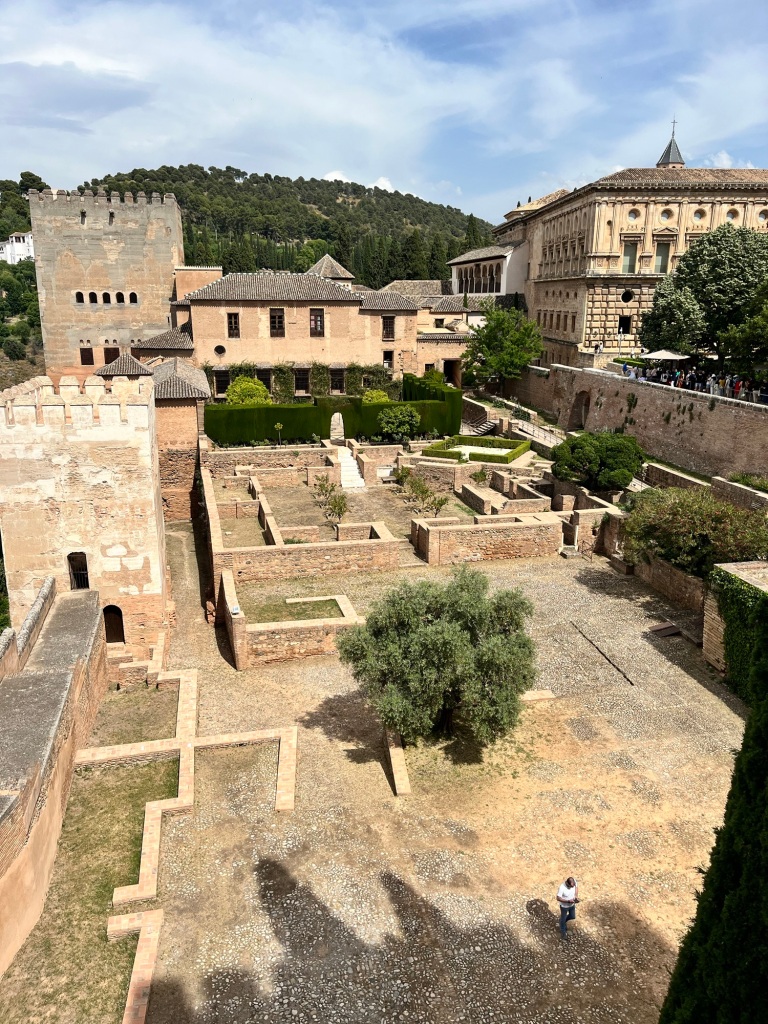
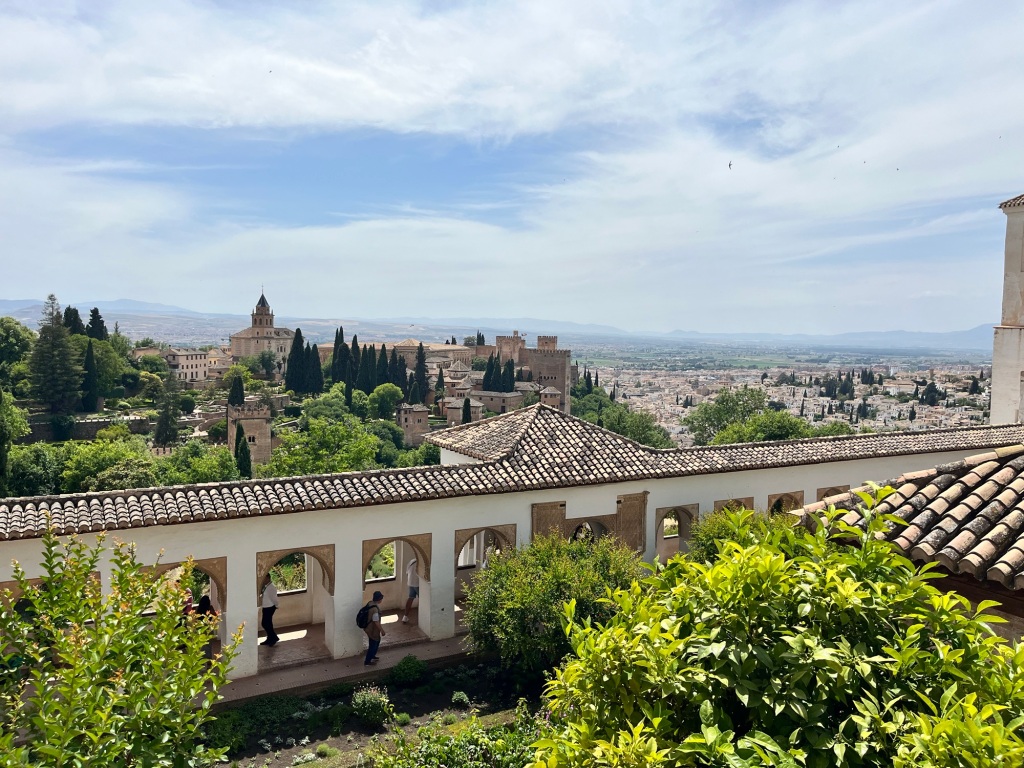
The surrounding areas of these main buildings are where there are extensive gardens and where the original Medina and summer palace were. Unfortunately, the Medina and Generalife summer palace were destroyed by Napoleon (jerk), but the gardens are an amazing place to wander and enjoy the views.

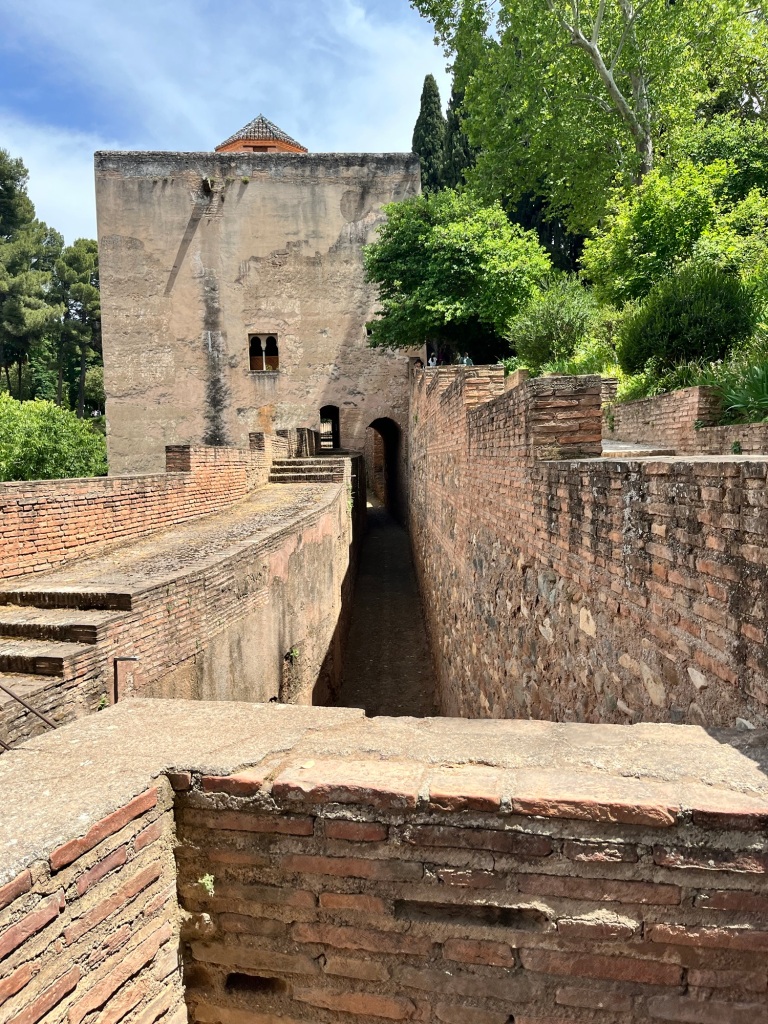
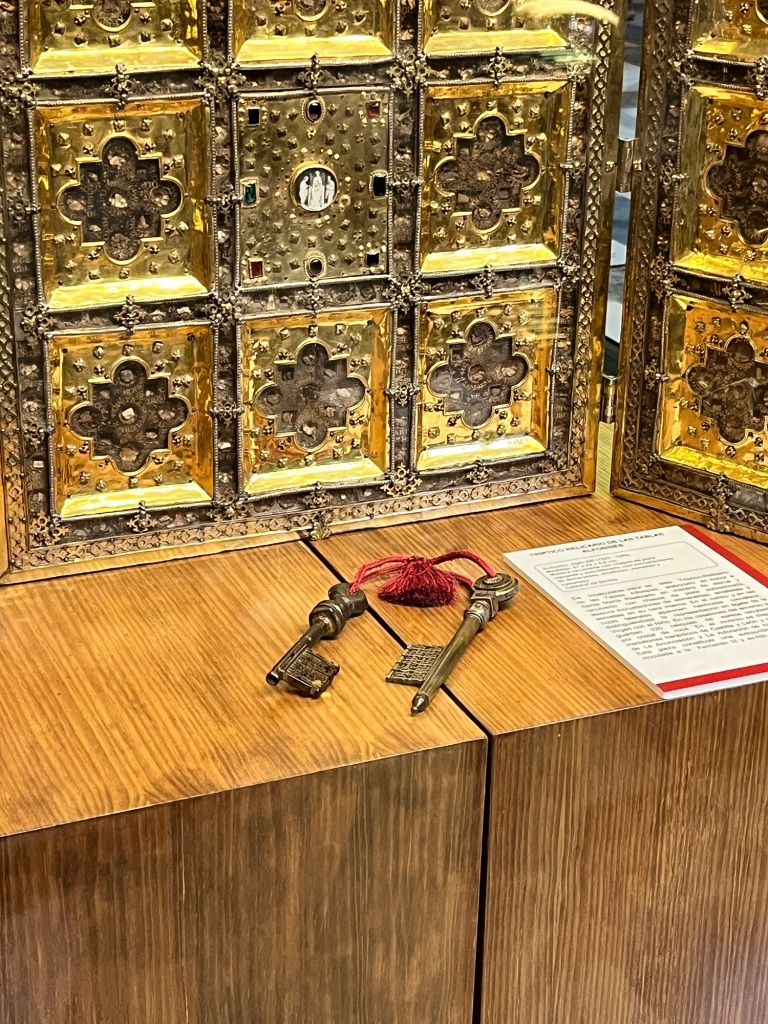
The Alhambra spent so much time under the Nazarid dynasty partly because of how difficult it was to conquer. Its place on a mountain made it difficult to forge, but it also boasts two protective walls. In the end, Ferdinand was only able to conquer it by thinking outside of the traditional strategies. After conquering the rest of the area, he basically put the Alhambra under house arrest, no one could come or go. After two years of this, the Sultan finally capitulated and passed the keys of the city over to the Catholic Monarchs and retreated into Morocco, defeated.

Lots of thick walls.
The keys of the city are now in the Seville Cathedral

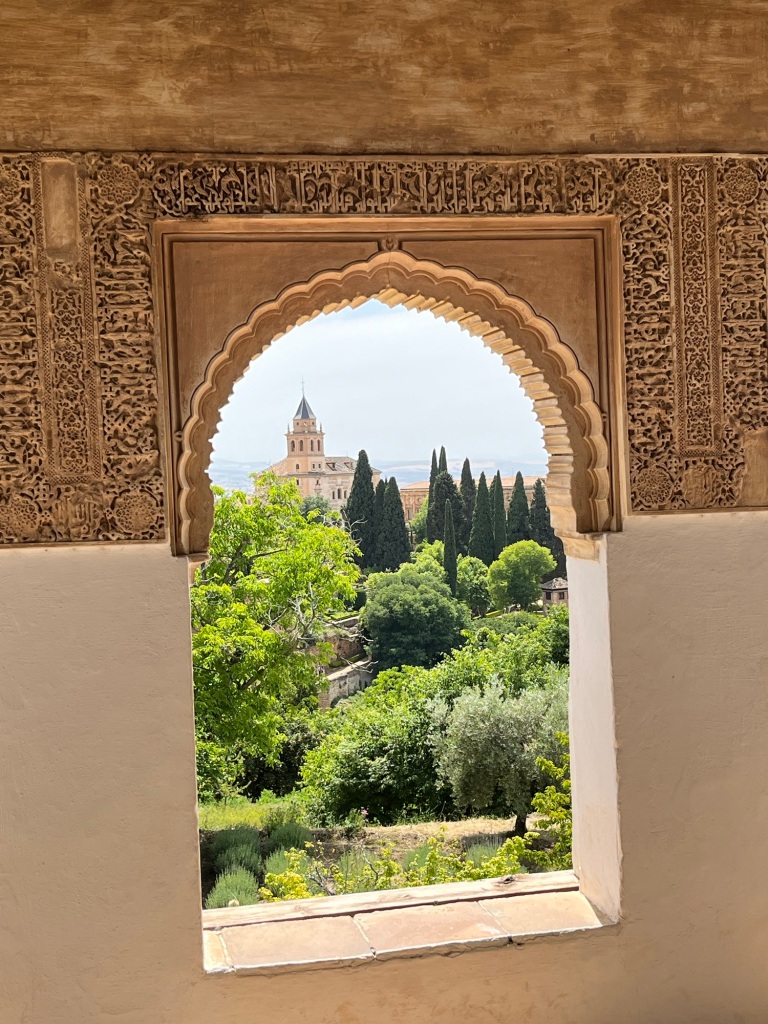
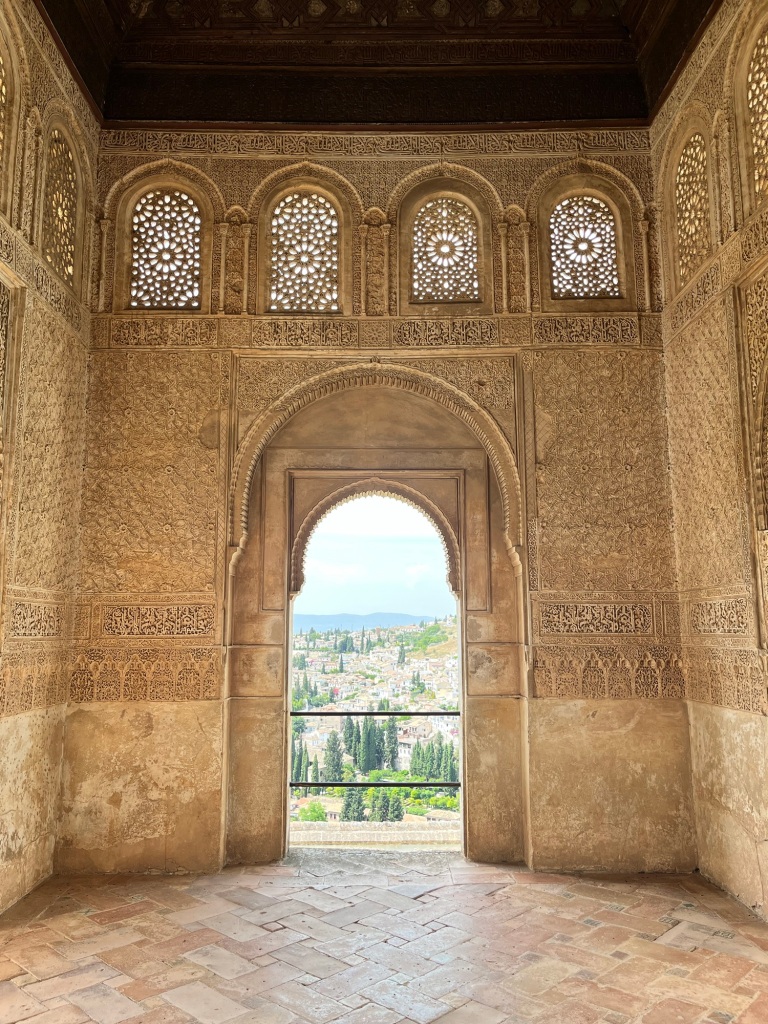
The views from and looking to the palace are spectacular, I hope you can get a sense of the magic of the place from these pictures. I always think of poor Katherine of Aragon who was born here, daughter to Queen Isabella, and married off to Henry VIII in his drab in comparison palaces of England.

More Seville Musing

I’m sitting at the train station waiting to head to Granada for a couple of days. I am, as usual, very early, but this means I have time to sit and relax a bit. I’ve had some breakfast, which in Andalusia means a coffee and some sort of Panini (lots of Iberian ham) which is delicious but I’m ready for something more substantial.

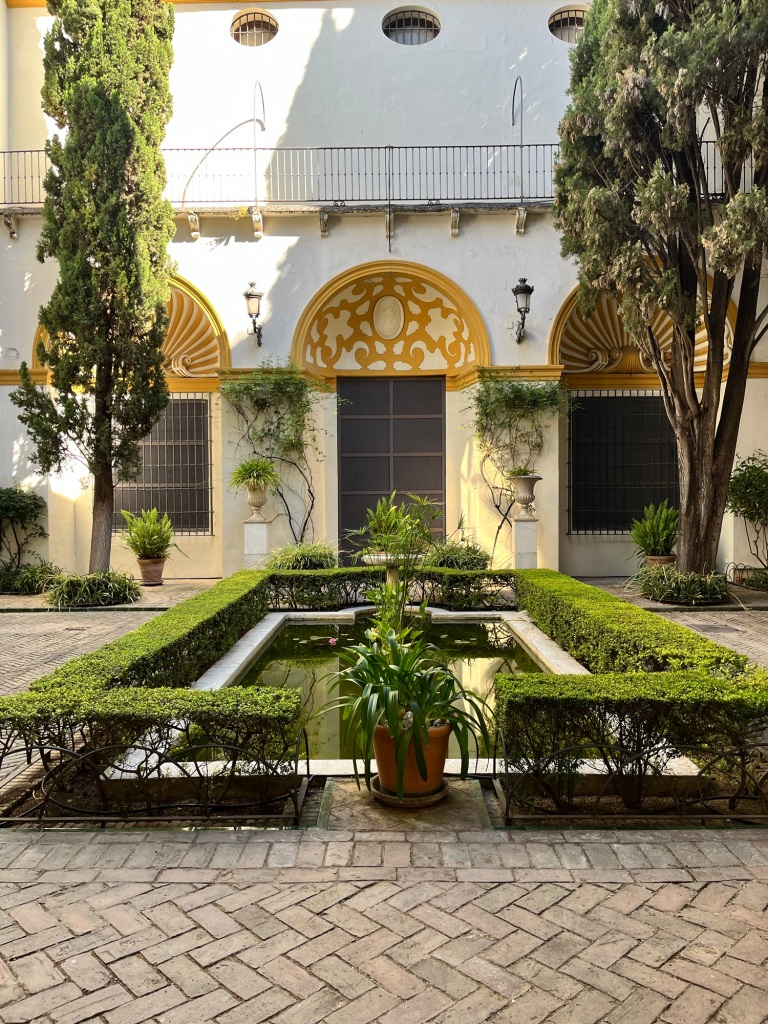
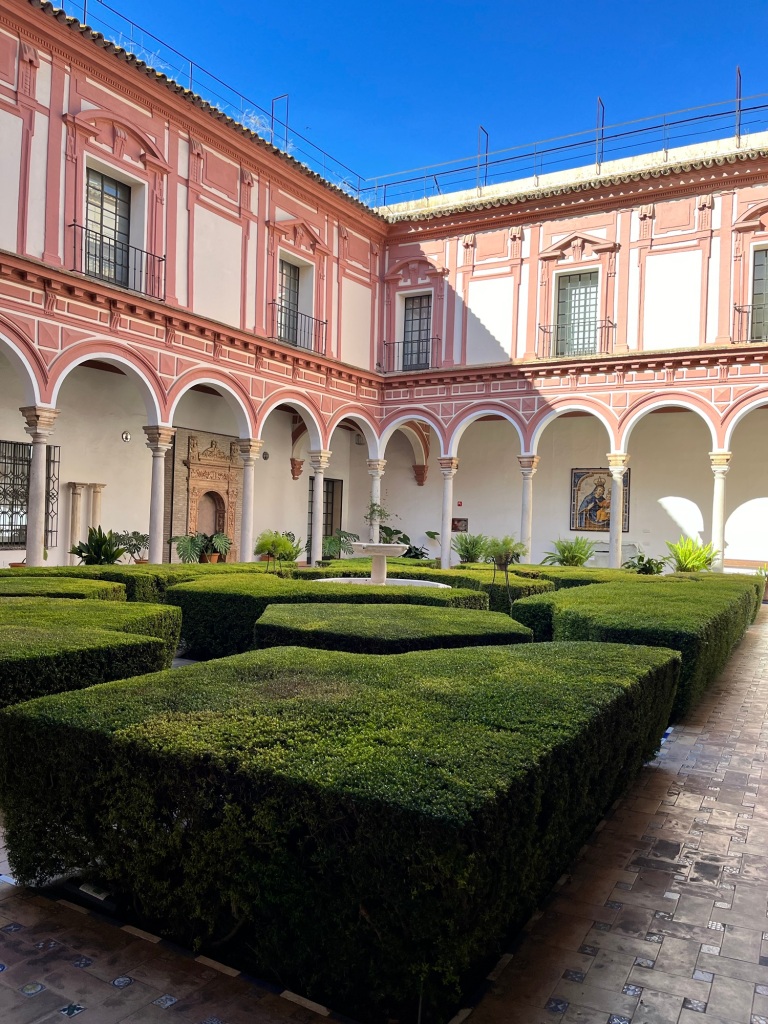
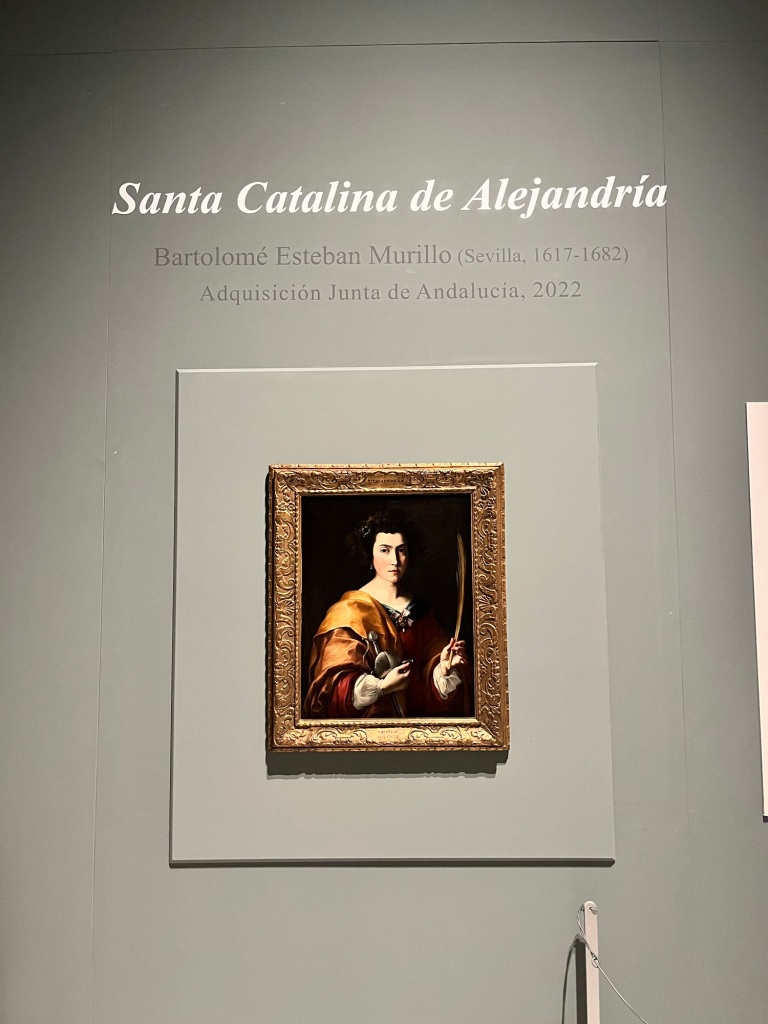
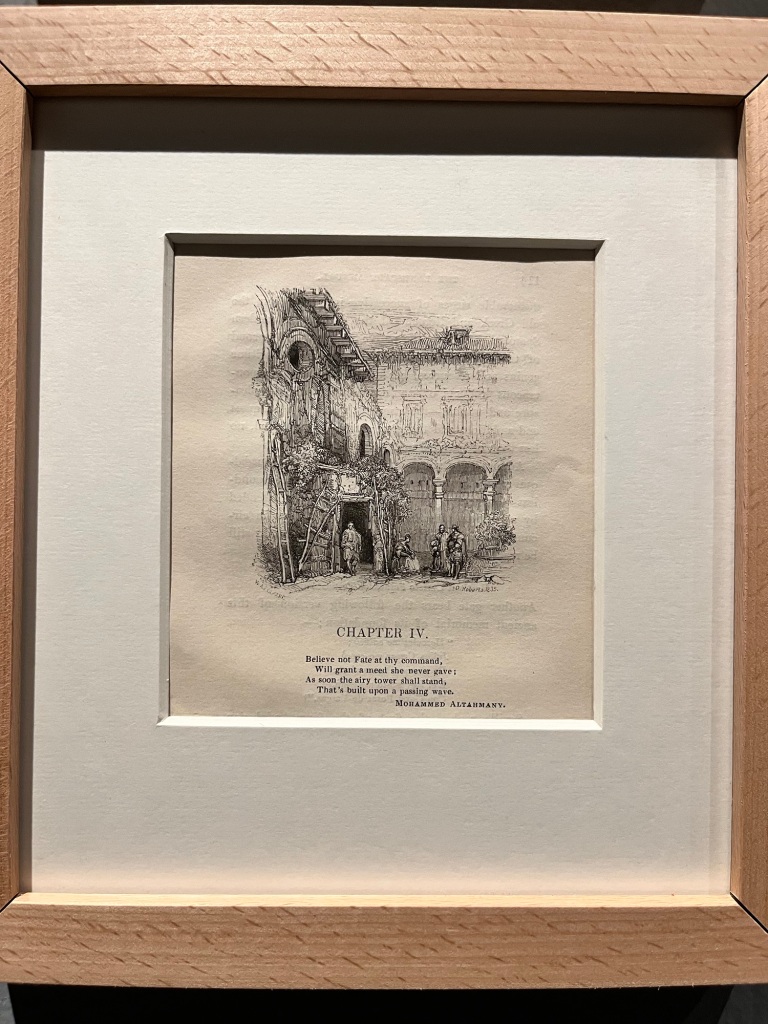
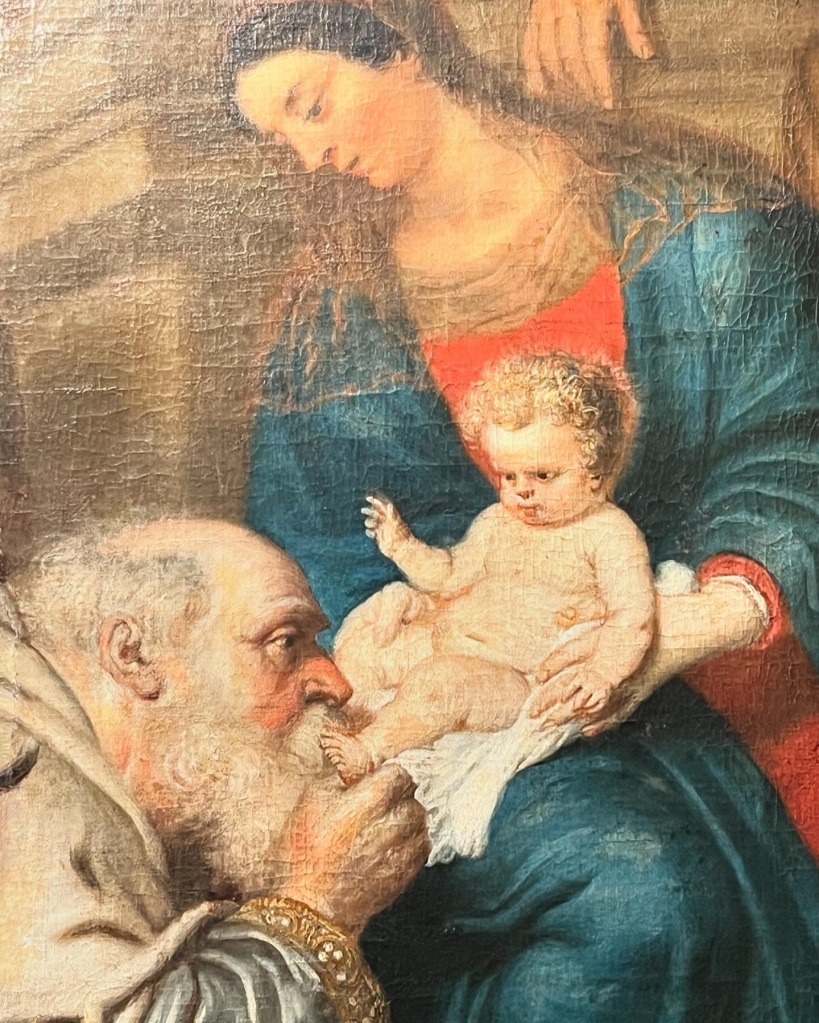
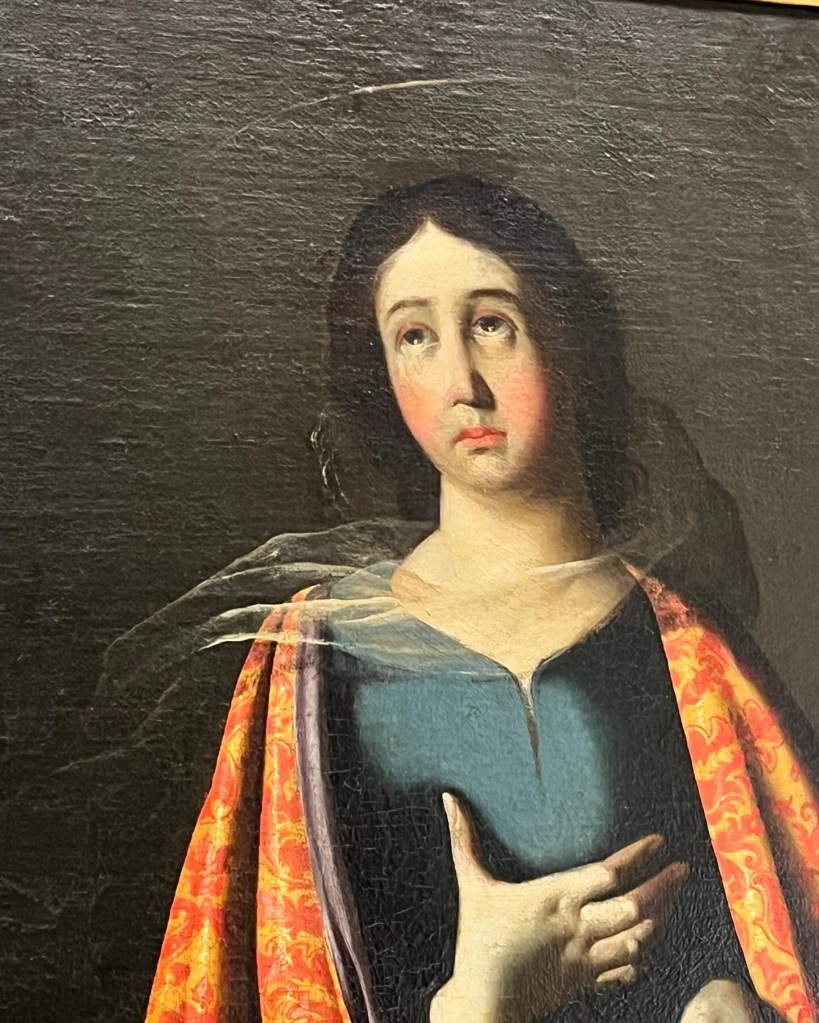
I did take some time this morning to visit the Seville Art Museum which boasts a collection of Spanish art from the medieval to the 20th century. It’s definitely not my favorite style, and I’ve seen enough Spanish/Catholic art to be underwhelmed with it, but there were some beauties and I can appreciate the history.

When touring the Seville Cathedral (see below), I learned that there is a myth that Saint Justa and Saint Rufina protect the Cathedral’s tower from destruction (it is 900 years old, after all). I enjoyed seeing this painting reflecting that mythology. I’m not sure how the original Muslim builders would feel about it, but they weren’t anti Christian by any means, so they may have actually appreciated it.

by Bartolommeo Esteban 1666

Here are a couple of paintings that I did enjoy.

And here are some of the best faces I found. Those expressions are priceless…

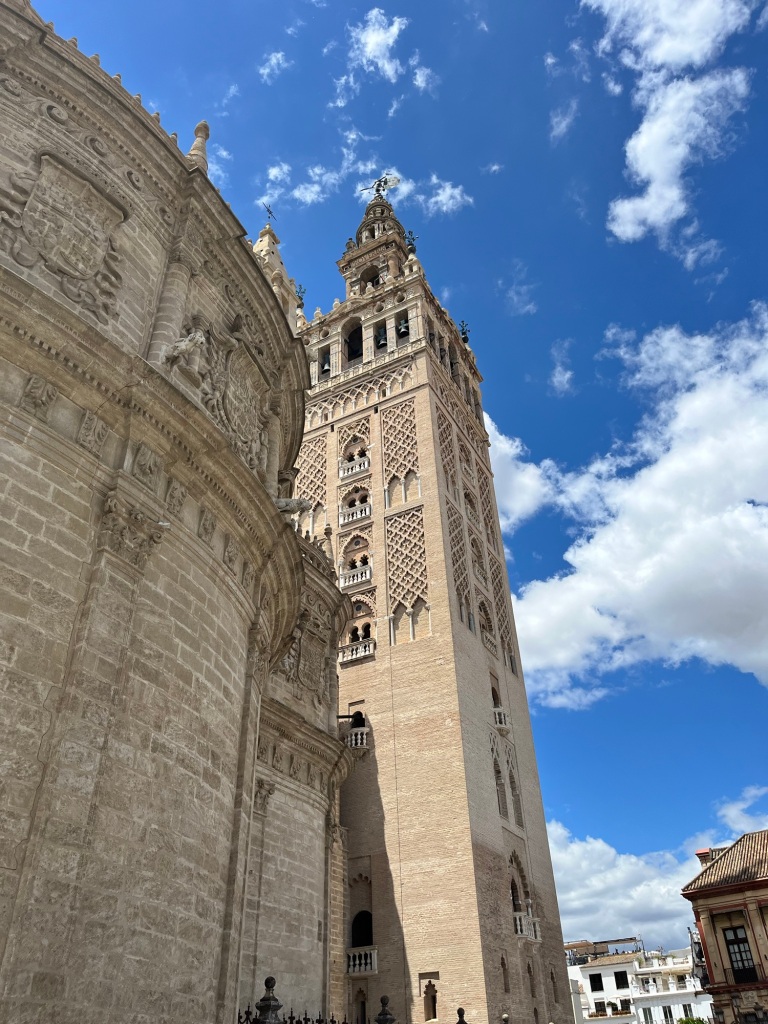
Yesterday, after my tour of Italica, I hurried to a tour of the Seville Cathedral. Like many structures here, it is built in the 16th century on the sight of a mosque that was erected in in the 12th century. After the Christian conquest, Ferdinand III turned the building into a Church and only later was it torn down for the building of what is seen today. The only piece of the original mosque that still remains is the Minaret and the absolutions courtyard. The story is that while the builders were getting ready to tear it down, they found some graves that appeared to be for past royals. Not wanting to destroy them, they kept them and the minaret with it. It’s a nice story, but probably they just liked the minaret which is quite beautiful!

I really enjoyed the mix of gothic, baroque, and moorish architecture.

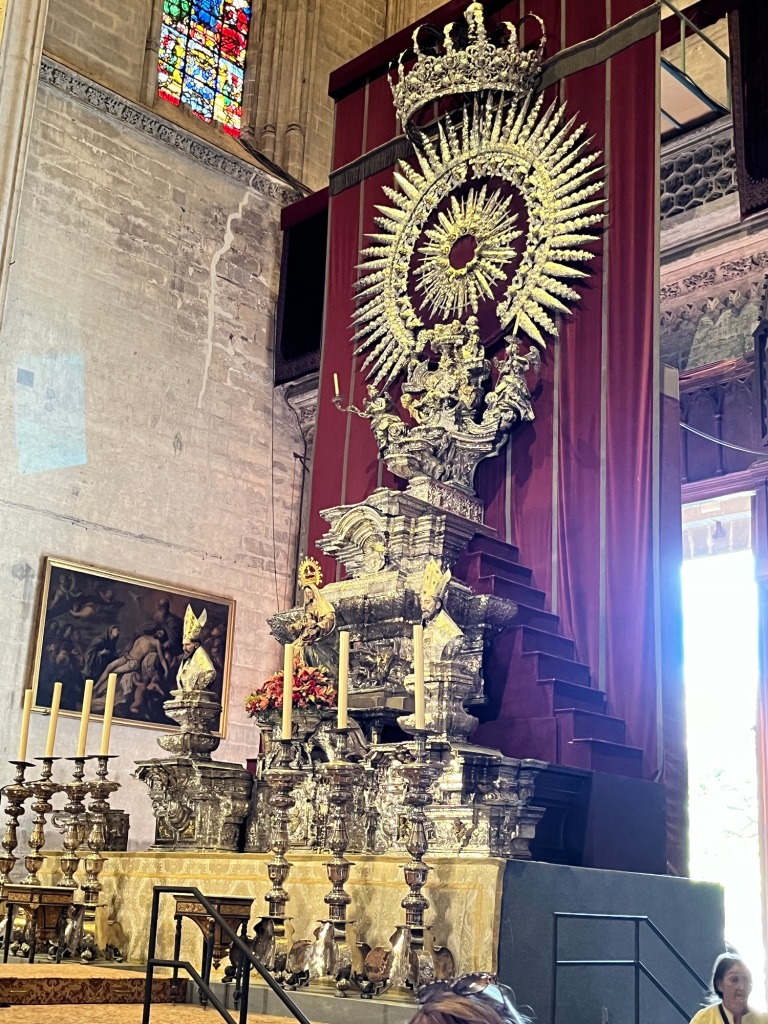
The inside is a masterpiece of wealth and glory, typical for Cathedrals of the time.

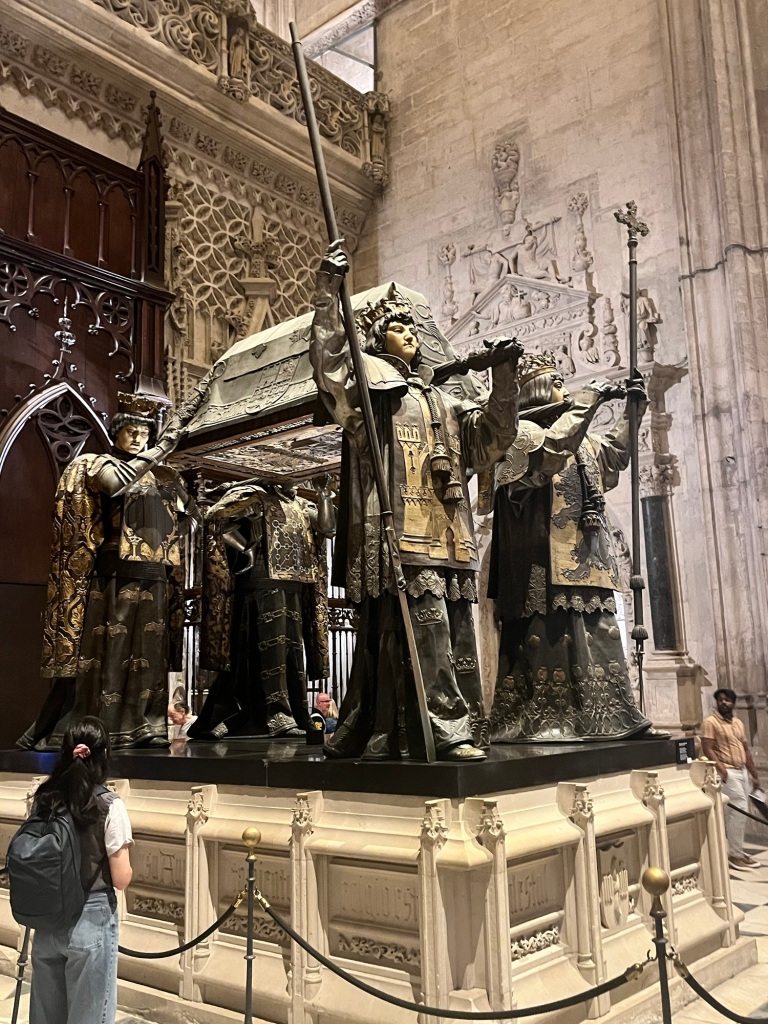
The most interesting part to me is the tomb of Columbus. While he is no longer venerated in the US for good reason, he still holds great importance to the Spanish who really only gained their place on the map because of the wealth his discoveries made the country.

His tomb is carried by four figures representing the four kingdoms of Spain. It was originally placed in Havana but moved to Seville when Spain lost control of Cuba. In reality, his remains were moved several times after his death and DNA studies have not shown conclusively that this is actually him.

Overall, I really enjoyed Seville, despite having to deal with life back home in an unexpected way, I found the city to be beautiful and easy to wander. Next out I head to Granada, where I am most excited to see The Alhambra,

Italica

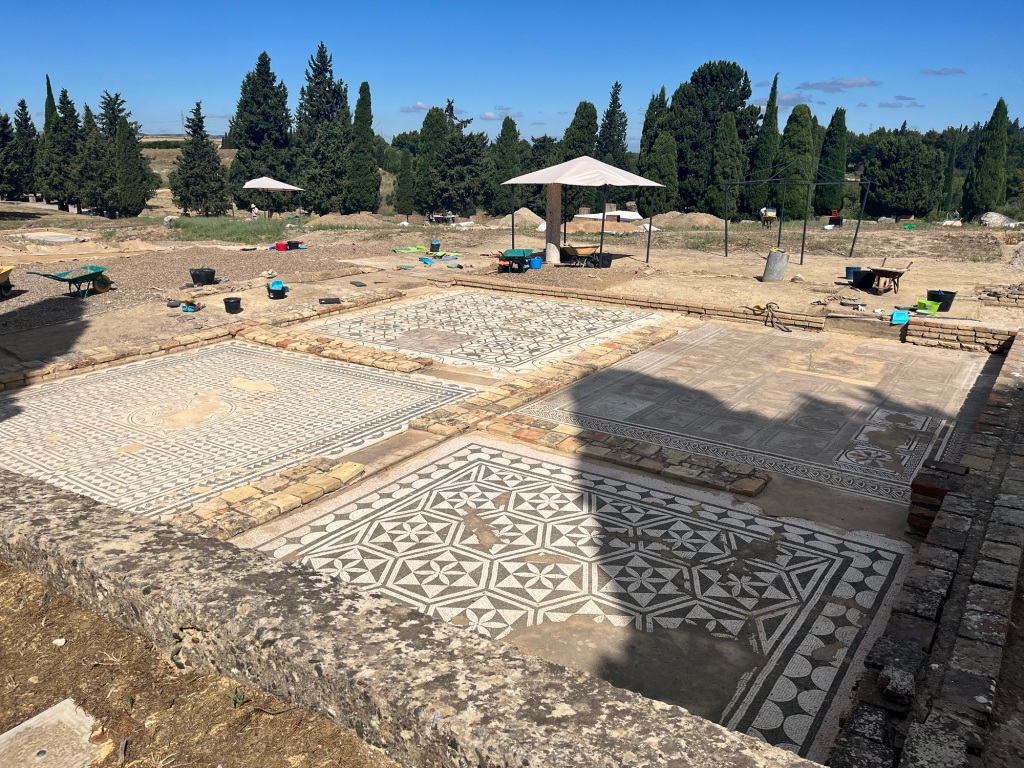
On the recommendation of a trusted friend and fellow traveler, I took an impromptu tour of Italica, a Roman city that was settled in the 1st century BCE. I’ve never been to an archaeological site where a dig is still in process, they’ve actually only excavated a small portion of the site and have a lot more to do!

Dream job! (If I had the stamina for it)

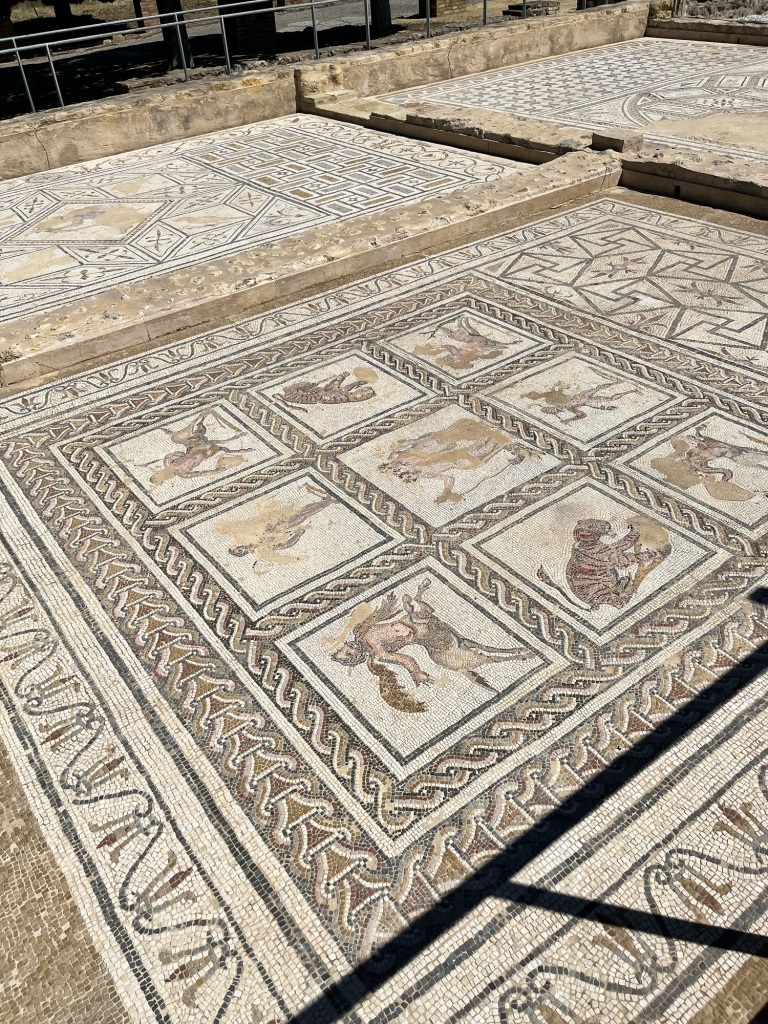
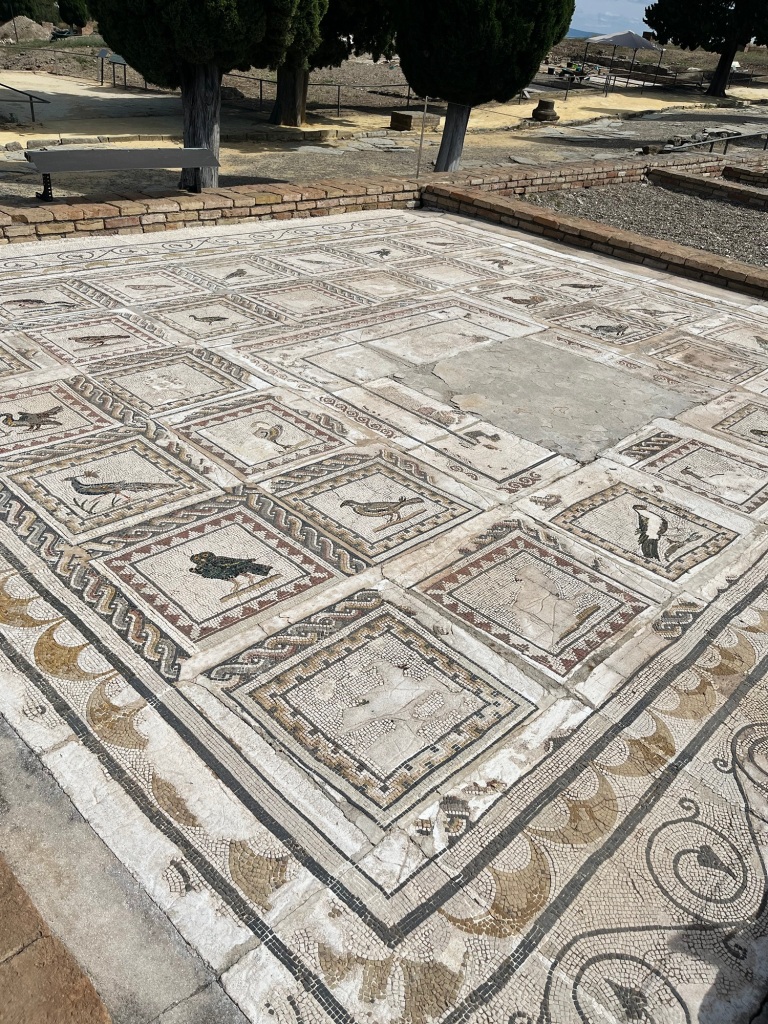
The part that has been excavated is the newest part which was inhabited by only the very wealthy (and of course their servants and slaves). How do we know they were the rich and famous? By the size of their homes and the absolutely stunning quality of their mosaics many of which were created using marble imported from Italy. I don’t think I’ve ever seen such amazing in situ mosaics before.

The Planets! This was probably it the coolest mosaic I’ve ever seen.

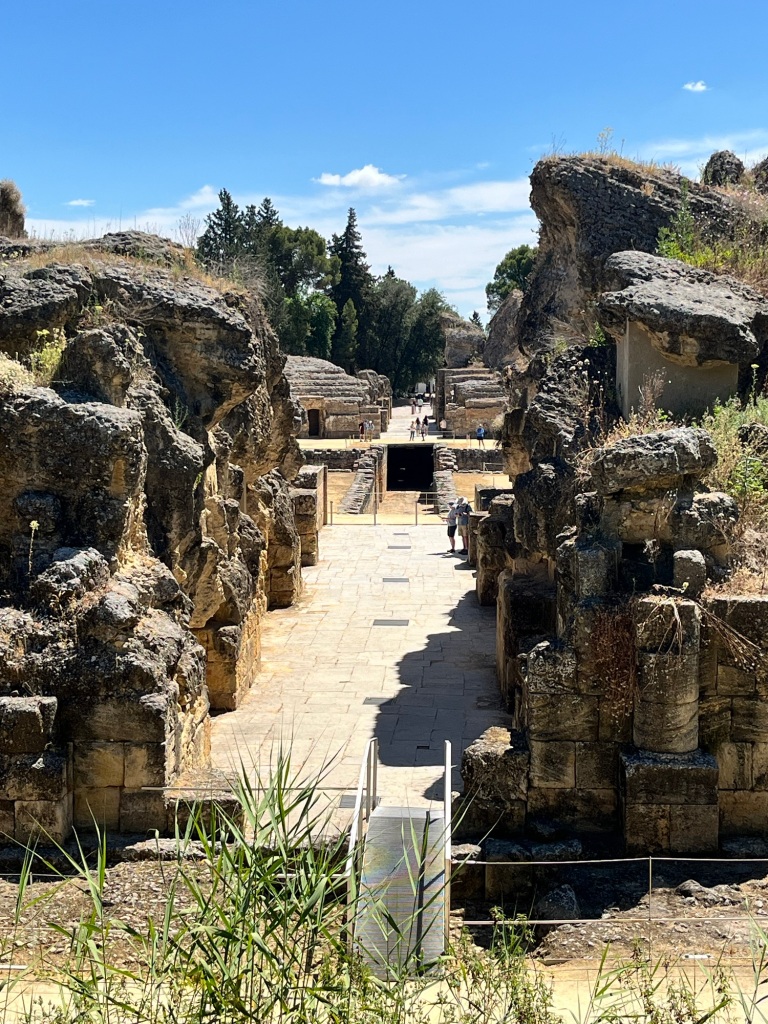
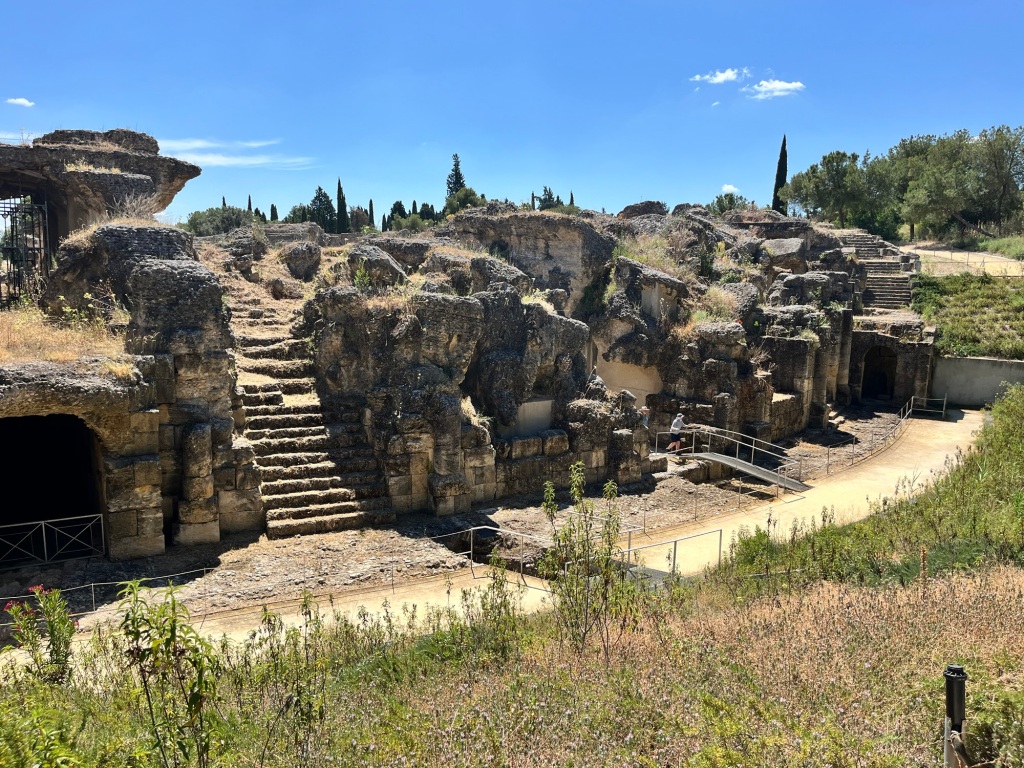
The other highlight of Italica is its Arena which is also featured in Game of Thrones (the final scene when the rulers all gather to determine who will be chose as the next ruler of them all). We entered in by the “Death gate” which is where the bodies of the animals and gladiators who died would be removed from (out of sight so as not to upset the viewers).

There will be one final Seville post when I have a bit more energy, will probably write it on the train to Granada!

Seville!

I took a slower pace today, not sure if I’m exhausted because of how busy Morocco was, or just general, but it was nice to have a lazy morning.

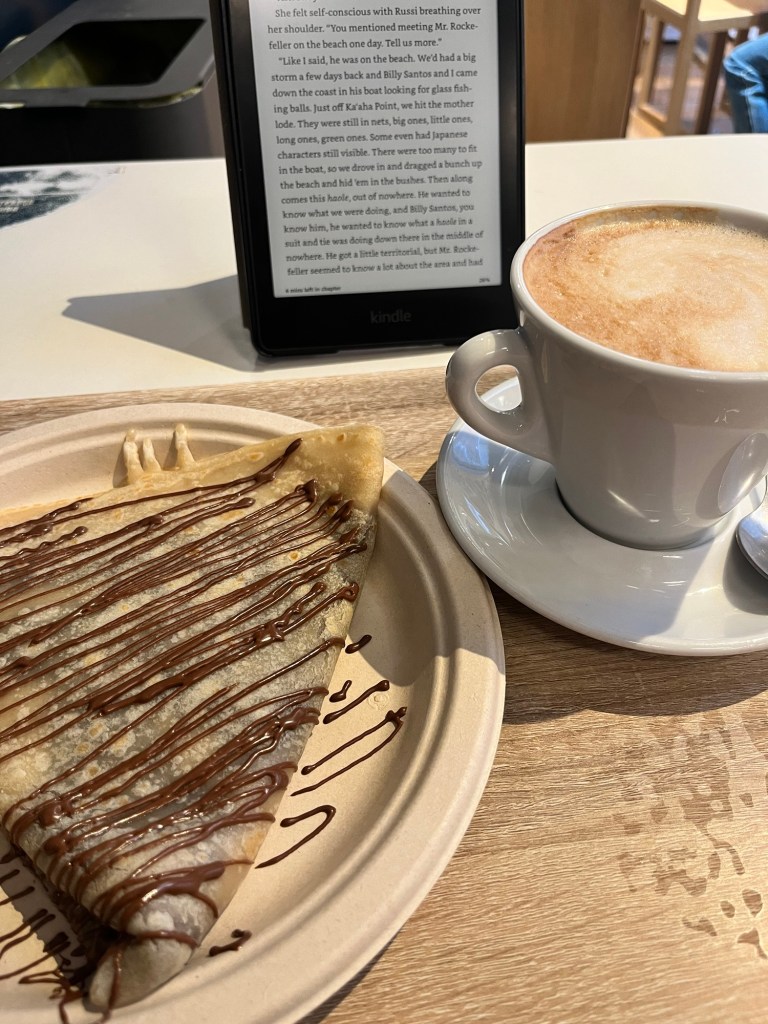
Breakfast of champions

Seville began as an Iberian town that grew in the 2nd Century BCE under the Romans as an administrative center known as Hispanics. Eventually it fell to the Muslims and continued to flourish under various Caliphates and as the Almohad capital in the 12th century. The city came under Christian rule in 1248 when Fedrdinand III conquered the area, of course under his and Isabella’s rule, the economy fell into temporary ruin as many Moorish and Jewish people were driven into exile or murdered.

When Spain “discovered” the Americas and brought an explosion of wealth back to the country, Sevilla became the center of the exploration of the Americas for about 200 years, revealing in the exploitation of the New World.

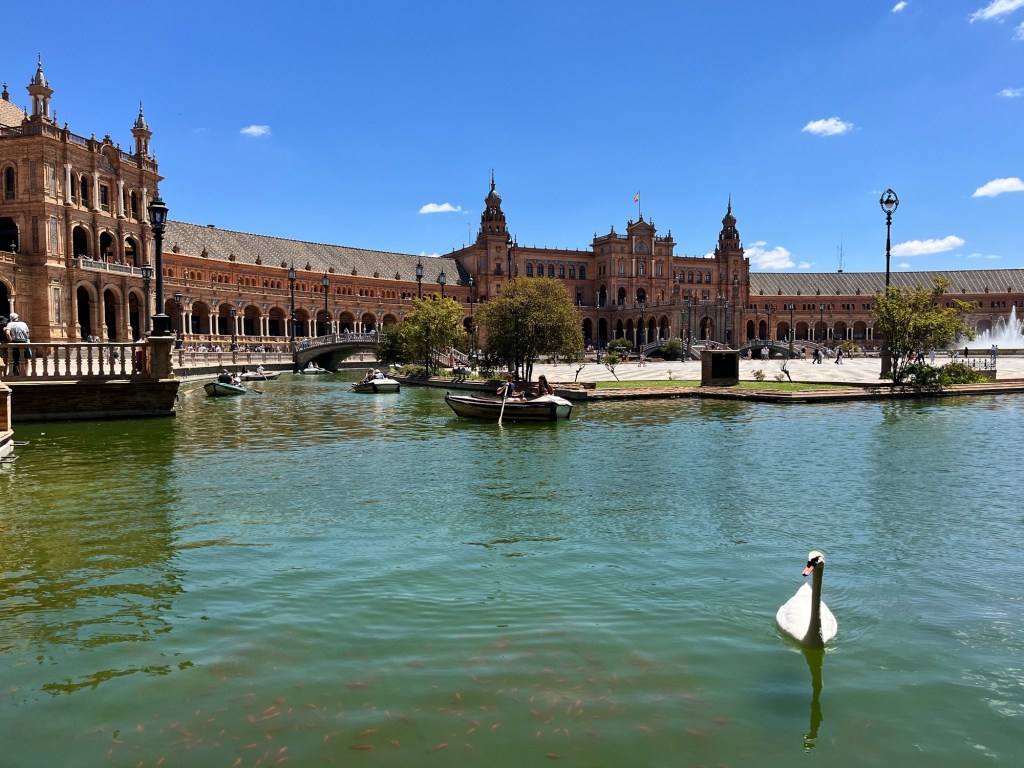
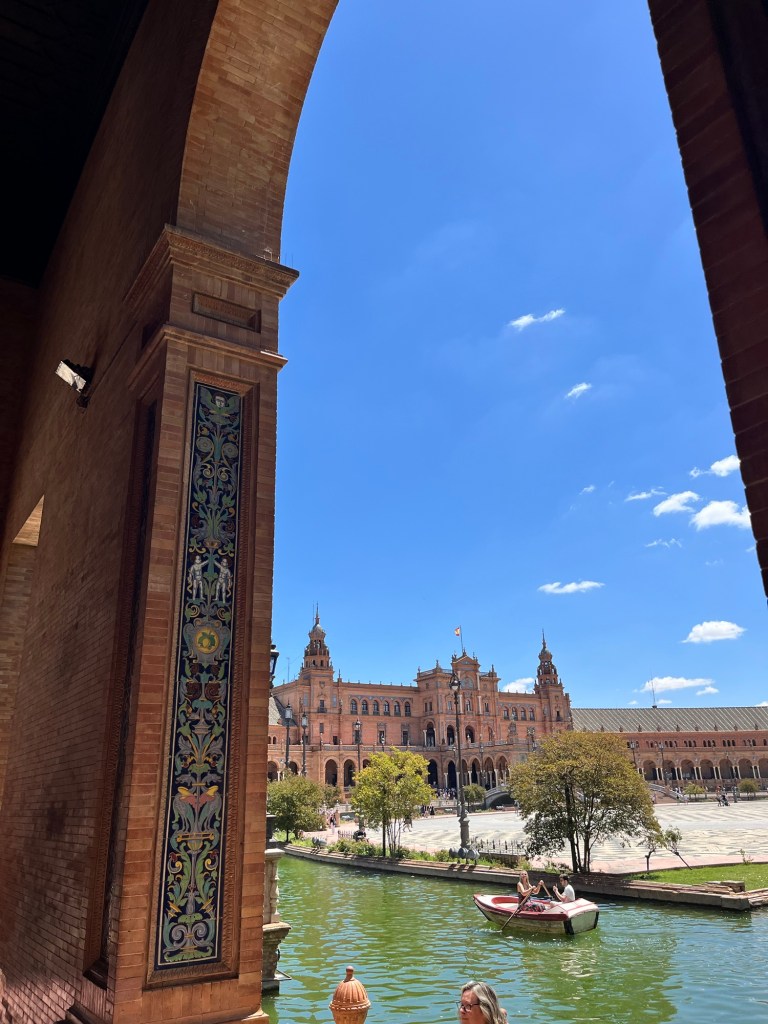
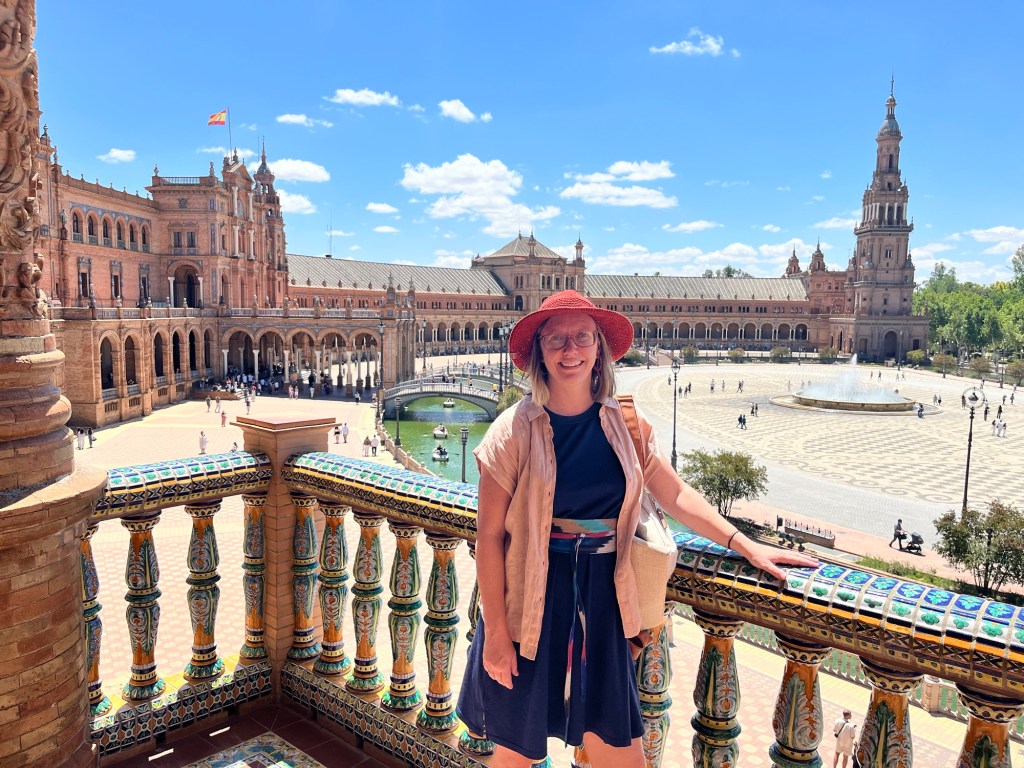
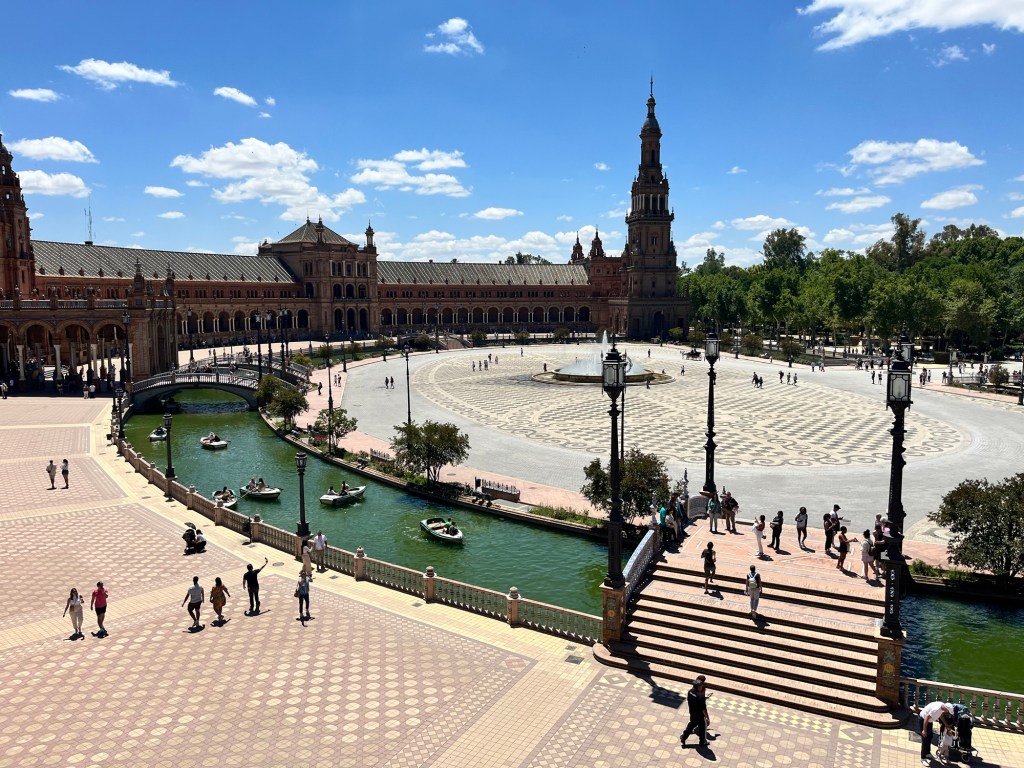
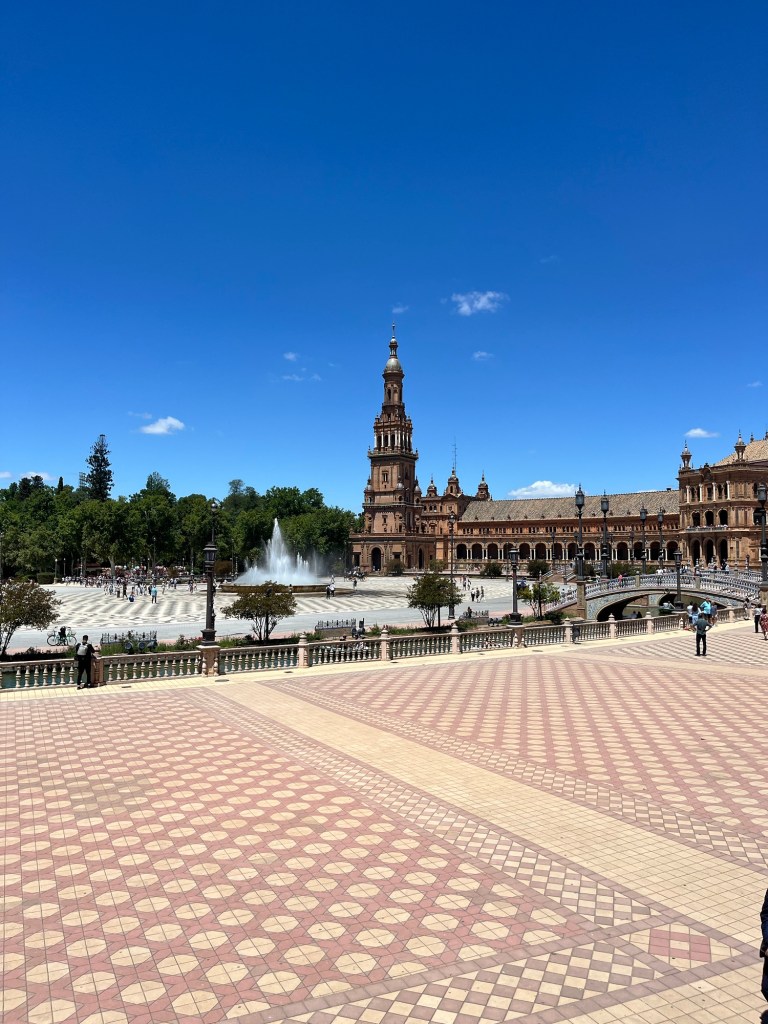
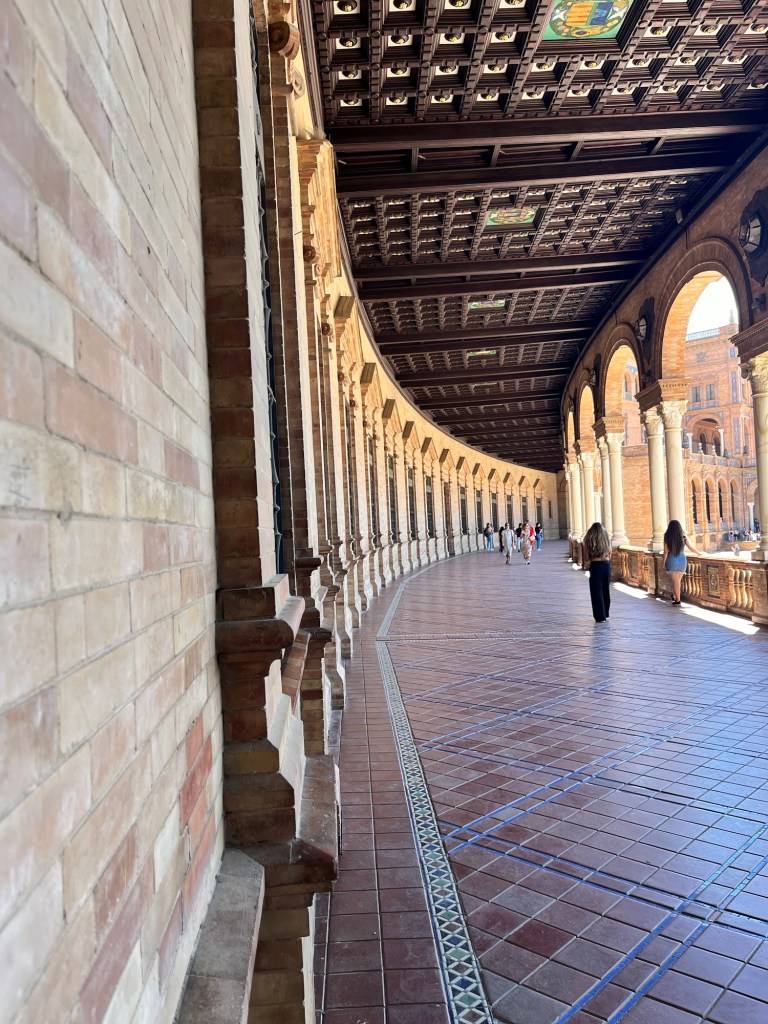
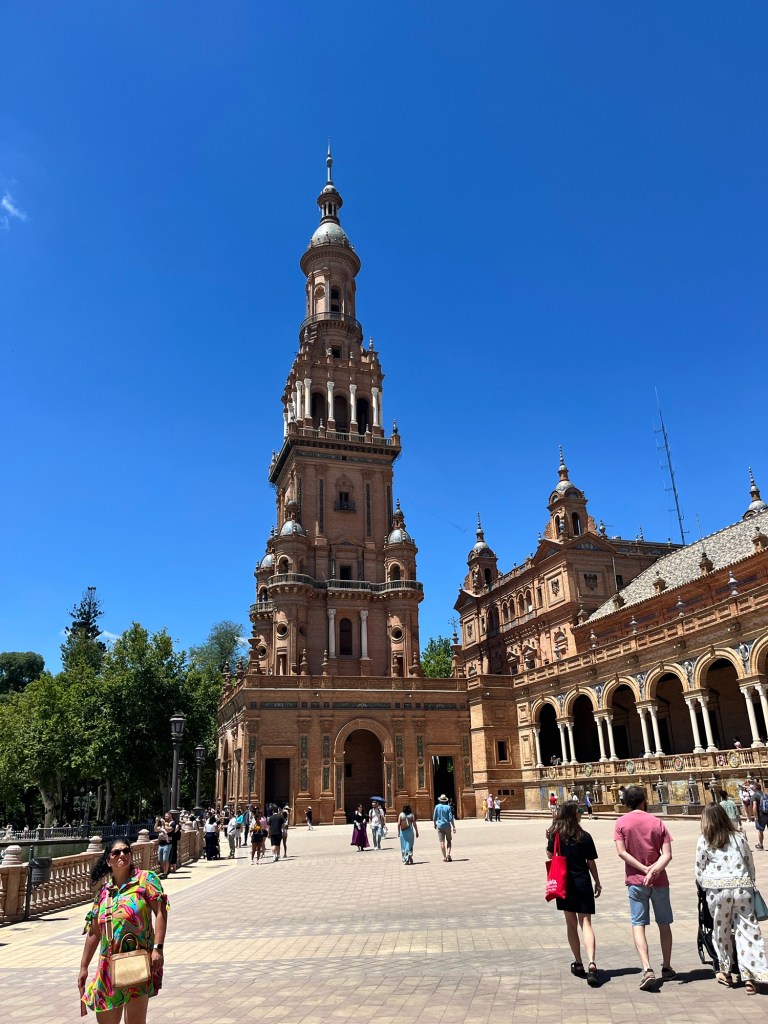
After a bit of meandering some local shops, I wandered to the Plasa España which was build for the 1928 Iberio-American Exposition. It’s absolutely stunning.

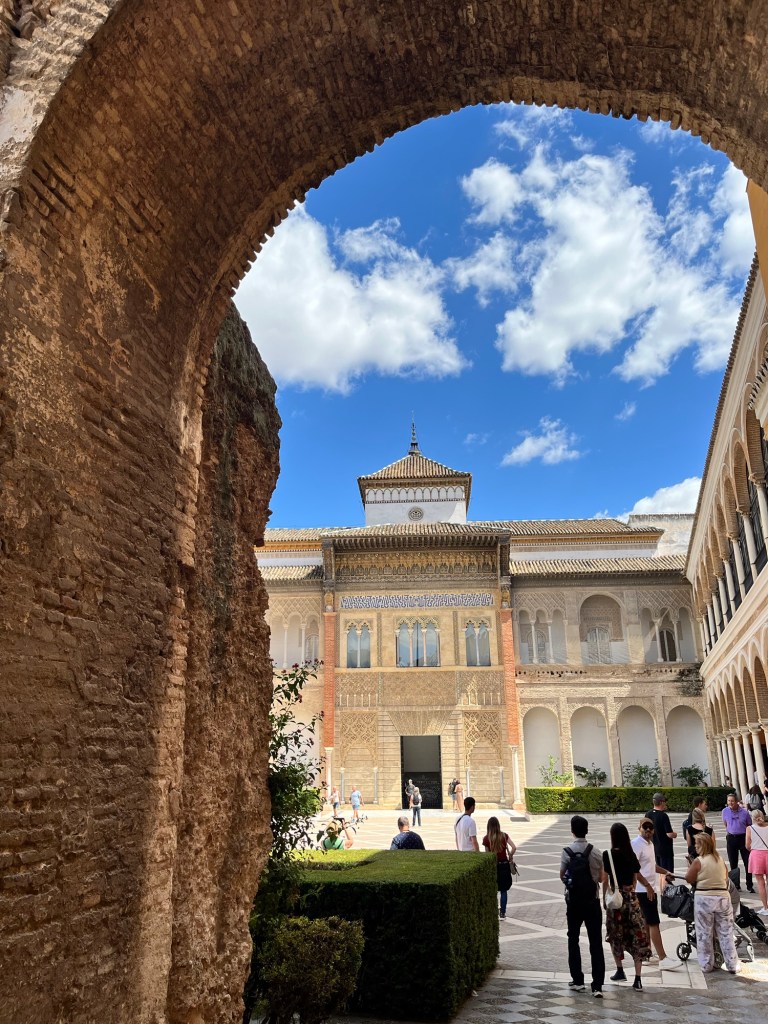
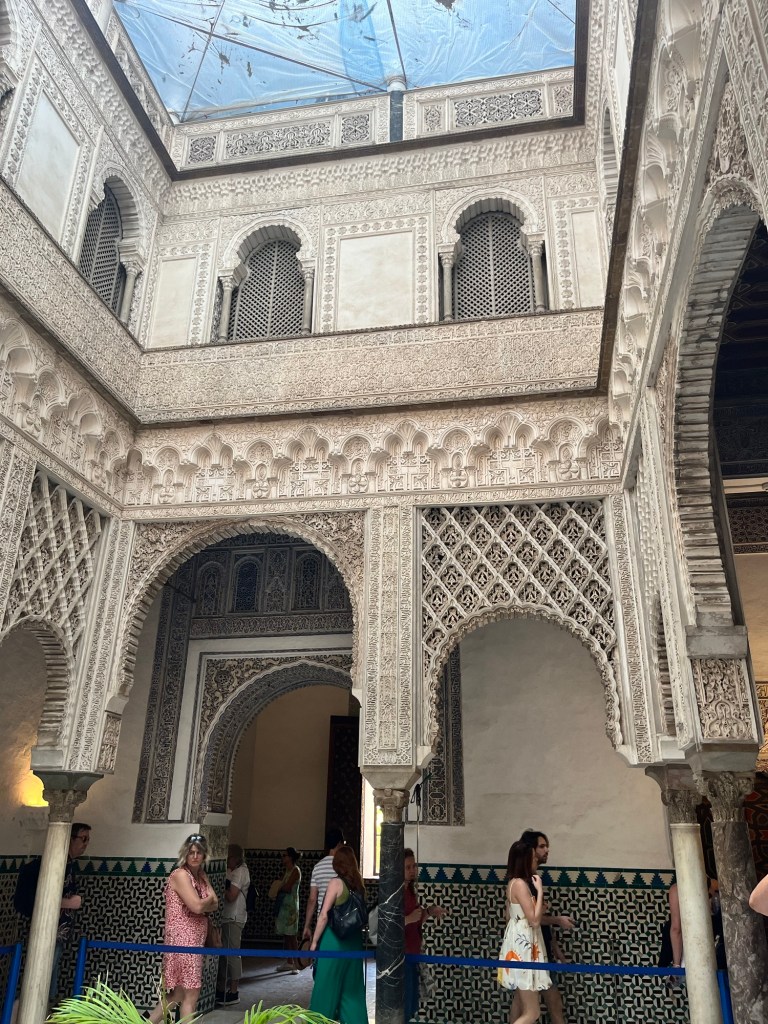
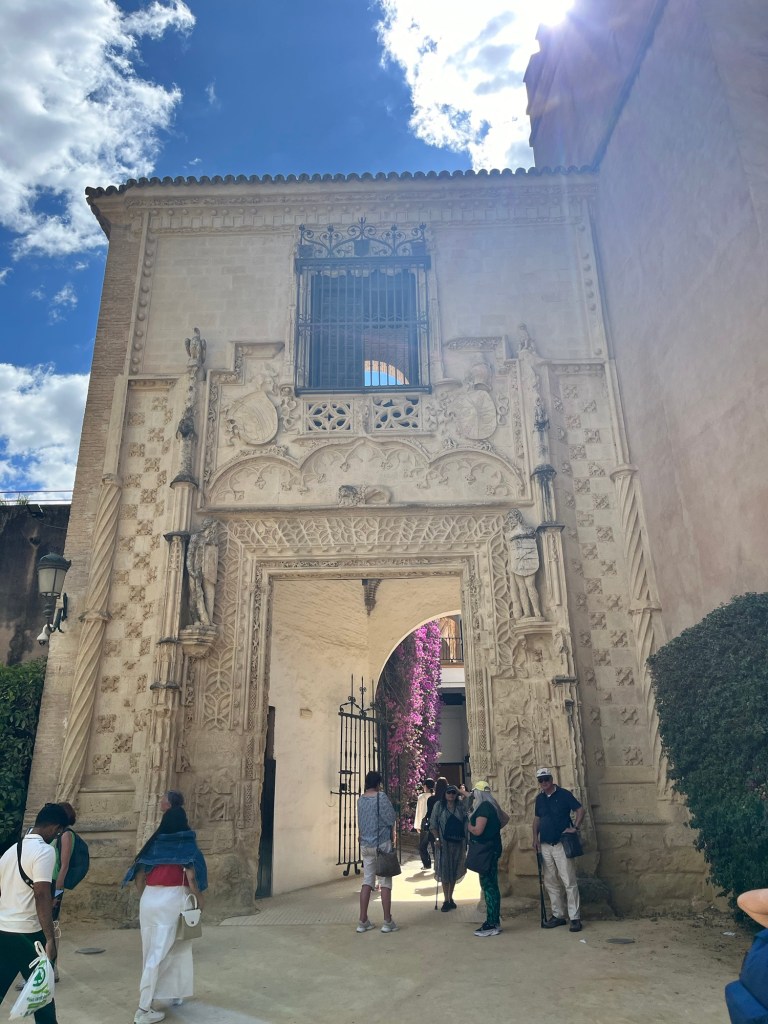
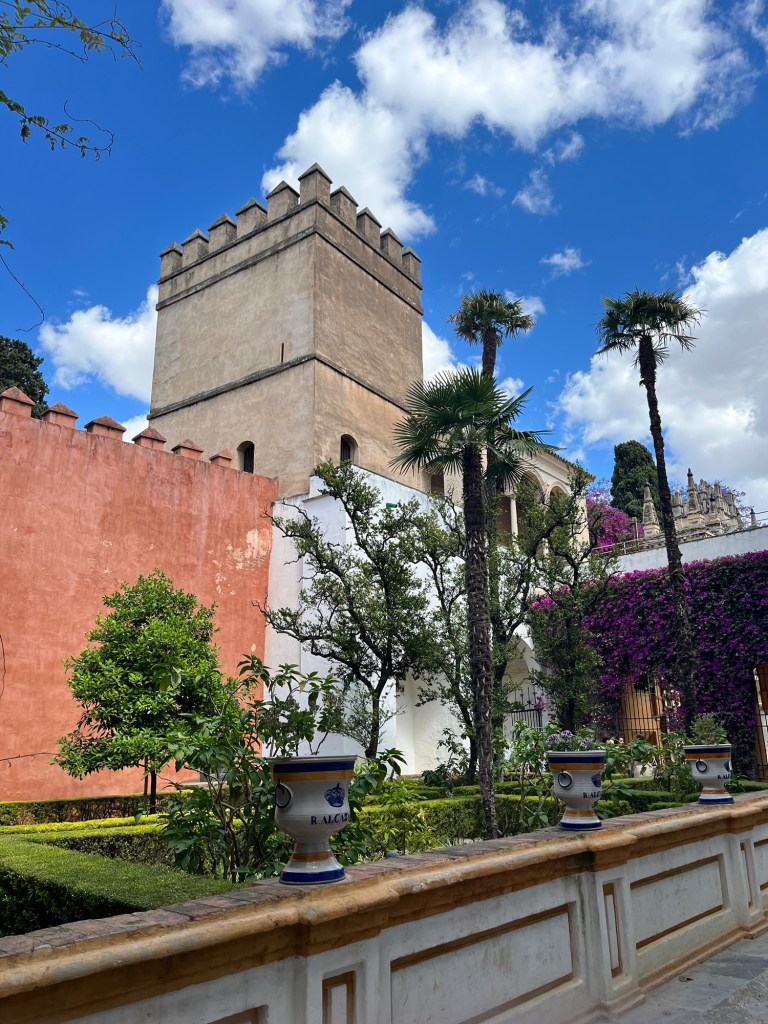
The main attraction for my day was the Real Alcazar, or the historical palace of Seville. Archaeological evidence shows that the site was occupied as far back as 2100 BCE, but the structure as it is today is from the 11th century CE. As political rule changed, it seemed that every ruler added to it (or removed from it). Even today the royal family stays in the Alcazar when they are in Seville. I toured the “family” area but wasn’t allowed to take any pictures.

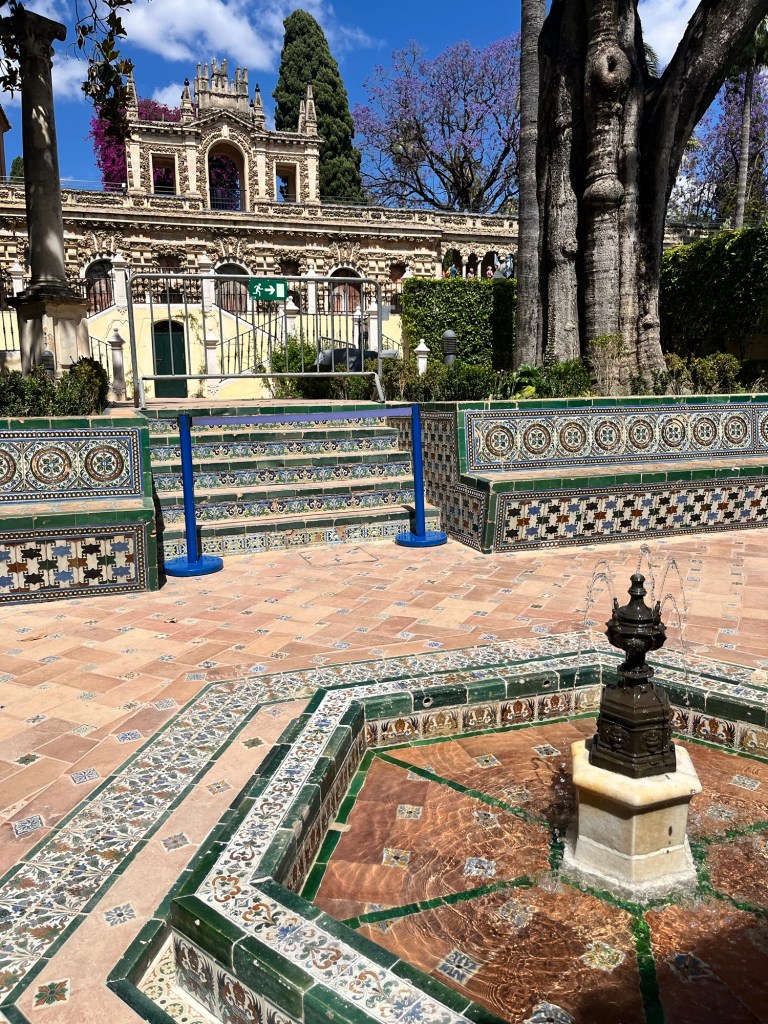
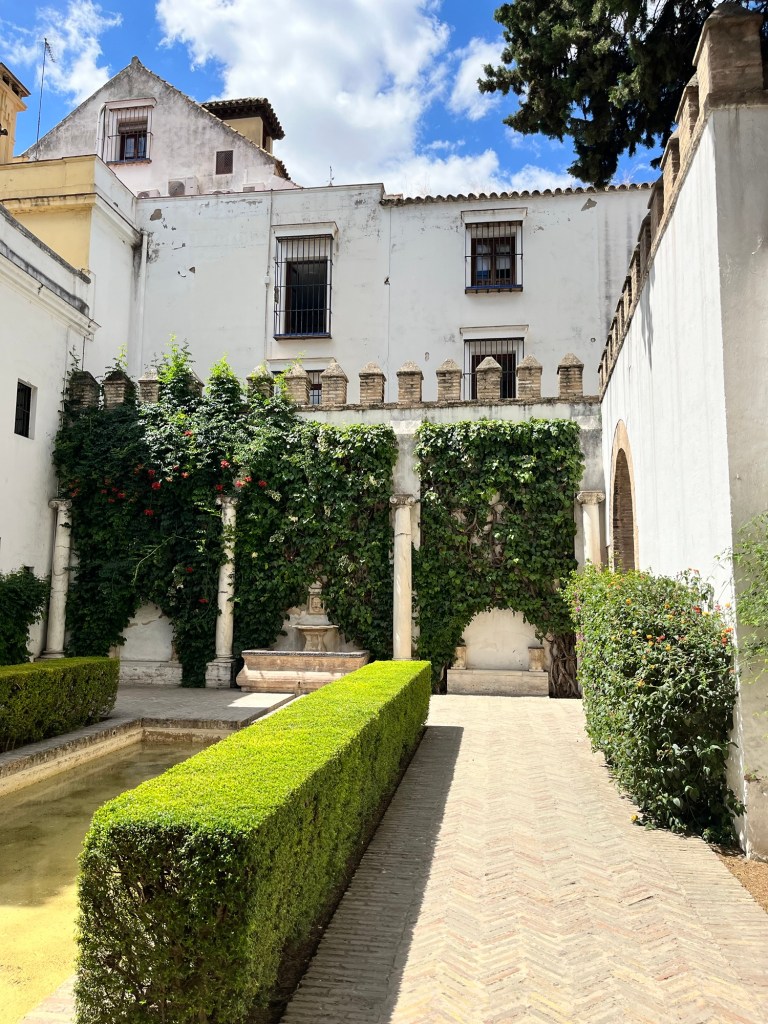
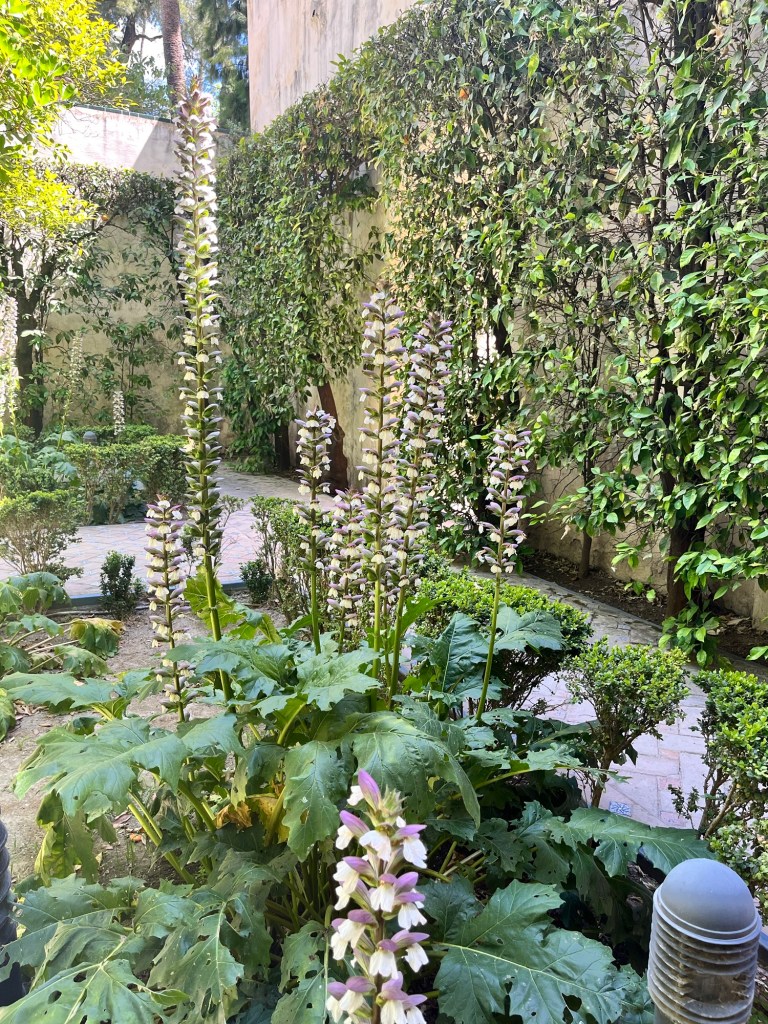
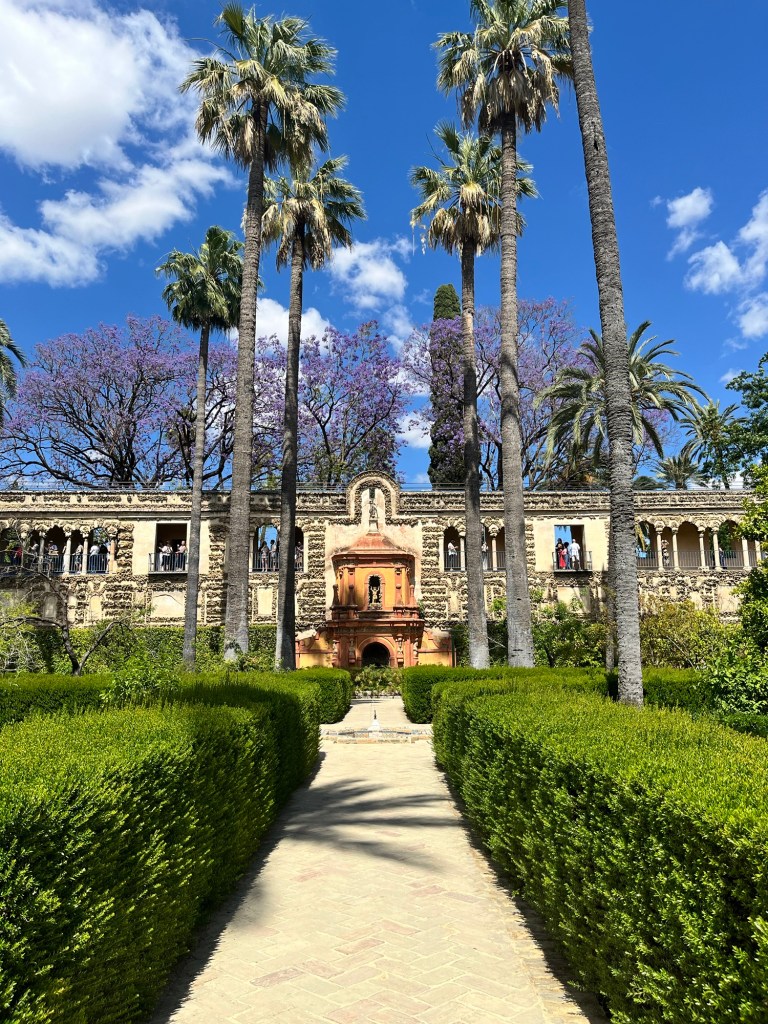
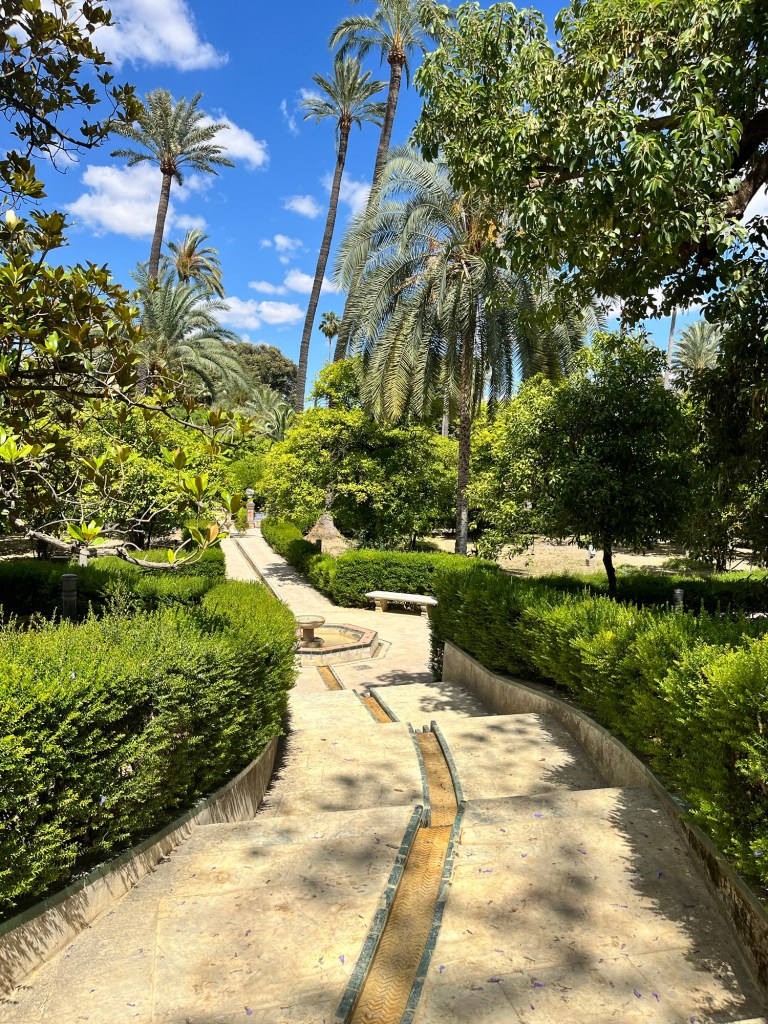
The Palace is quite large, and to be honest I got lost many times. My favorite part was just enjoying the expansive gardens.

Tomorrow is a big day with a visit to Italico, a Roman site, then a tour of the Seville Cathedral.

Exhausted in Marrakech

I am currently sitting in the Marrakech airport with a delayed flight to wait for. This has to be the most exhausting airport I’ve ever been to, there were no less than 4 lines and a very pushy French woman who I was determined not to let sneak by me mostly because I am tired and cranky. I have found the city to be filled with what we would consider rude people and I’m really not in the mood for it.

Yesterday’s tour was also our most exhausting day, clocking in over 20,000 steps. While it was a whirlwind, we did see some really great things.

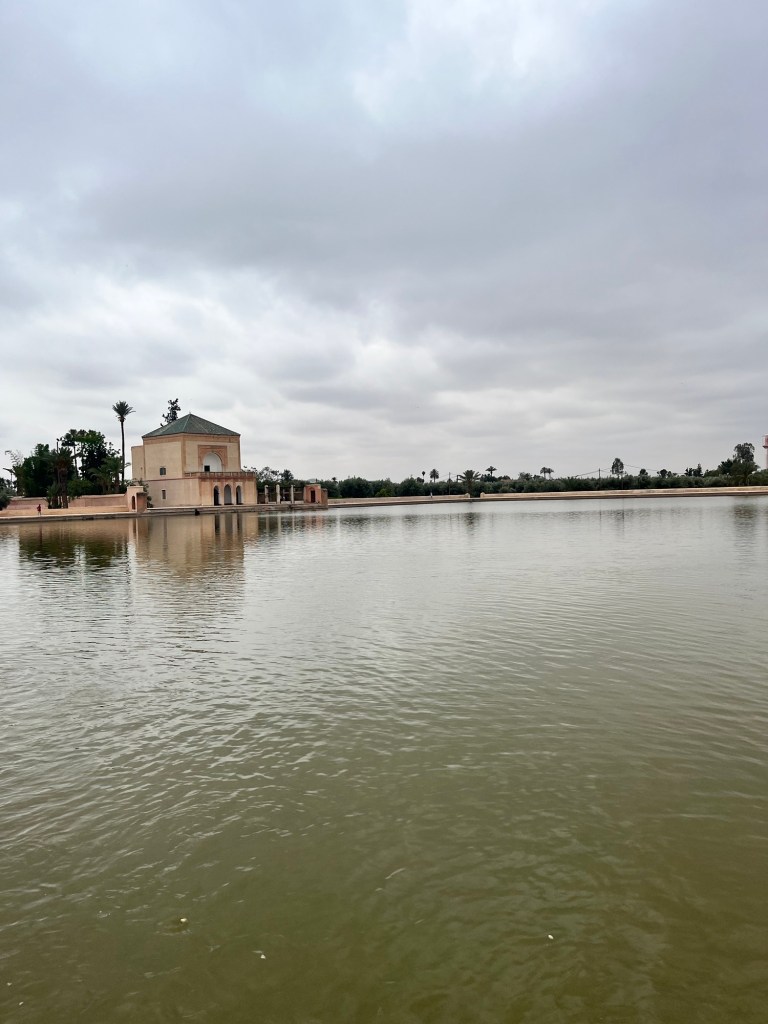
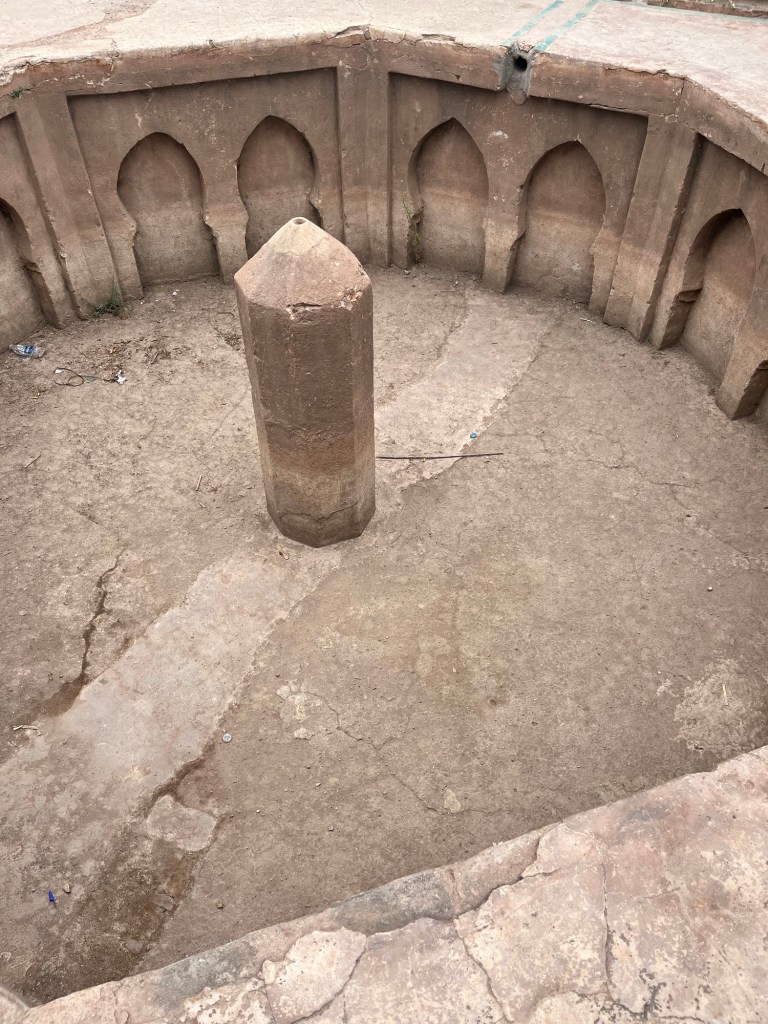
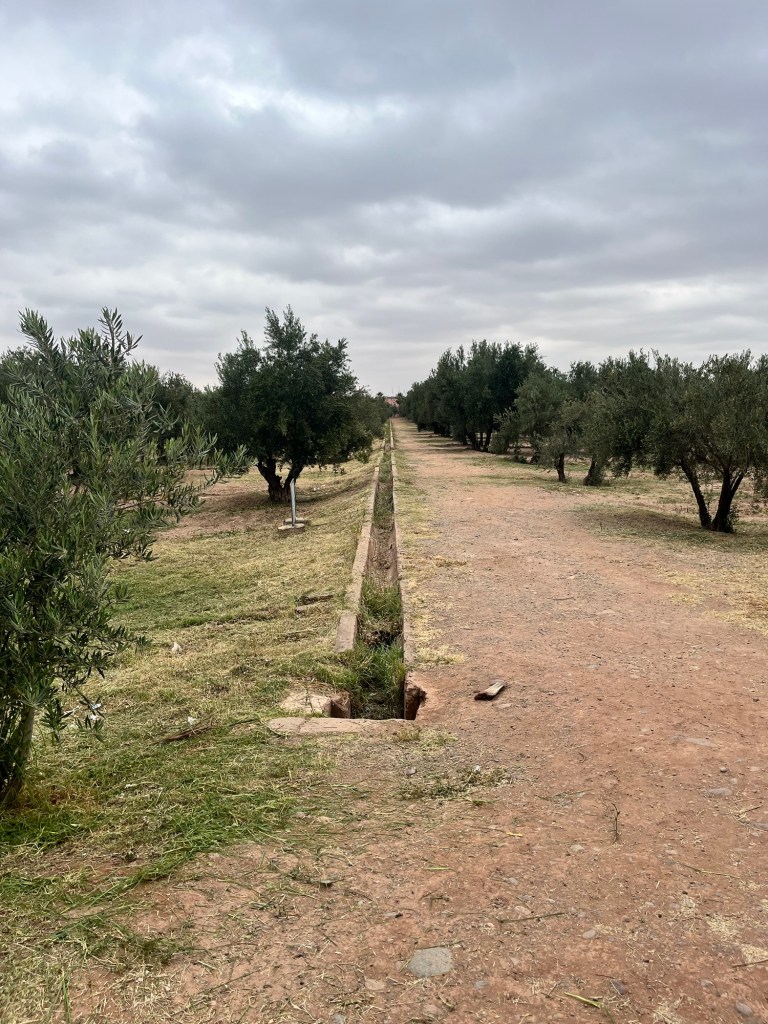
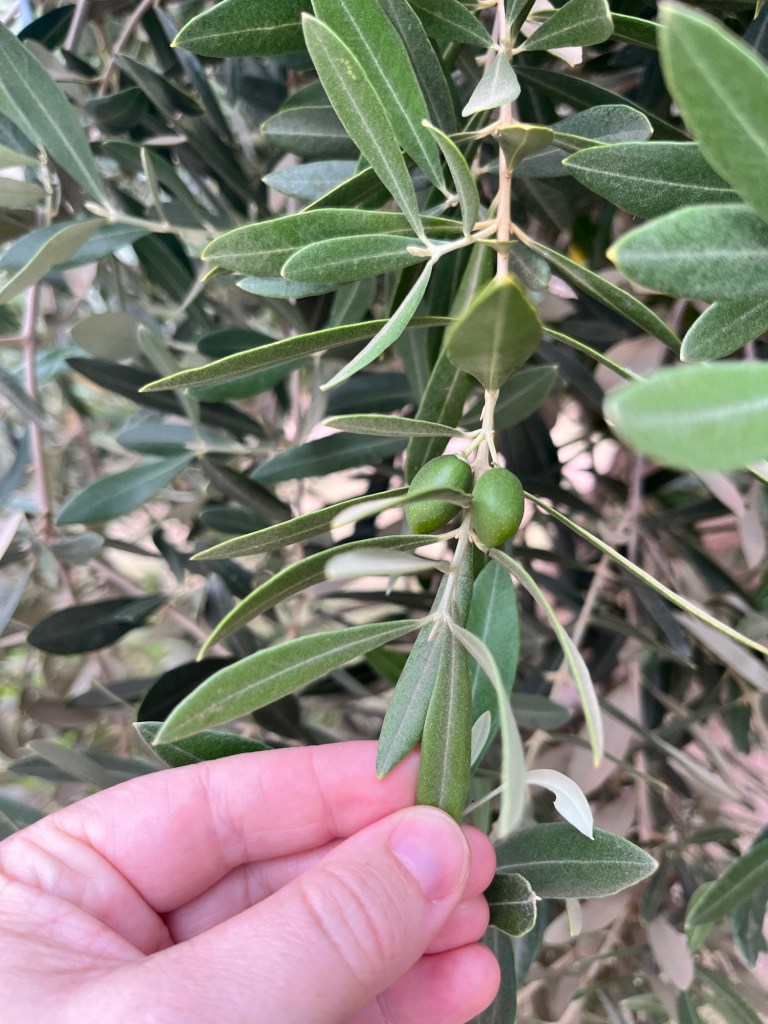
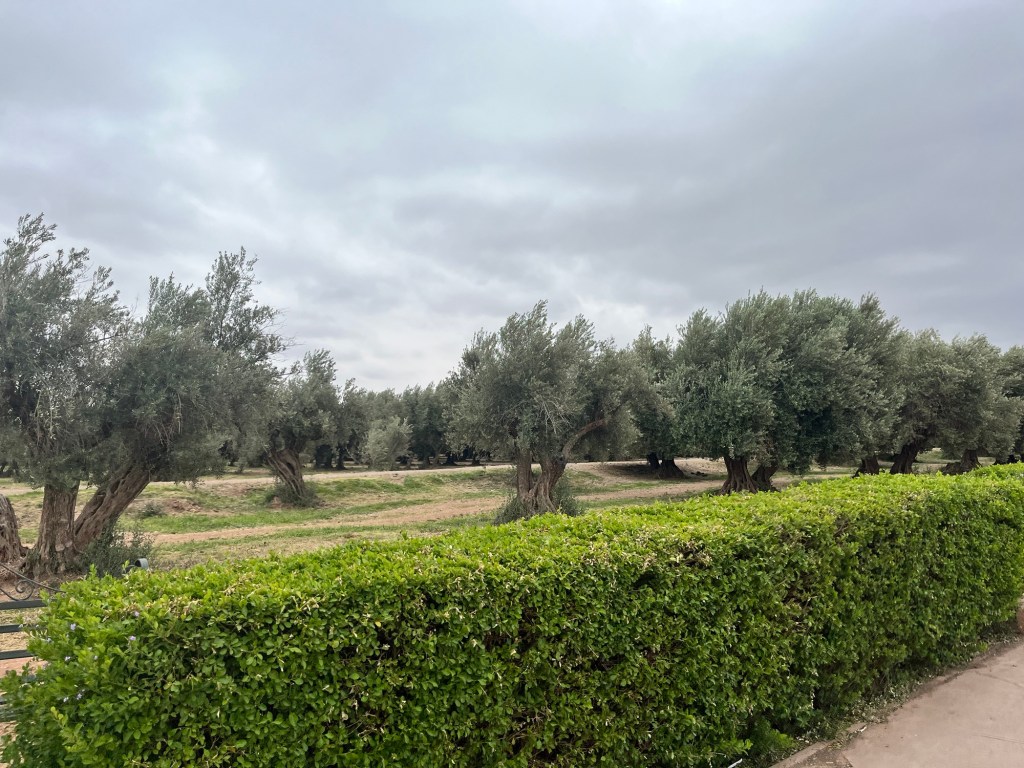
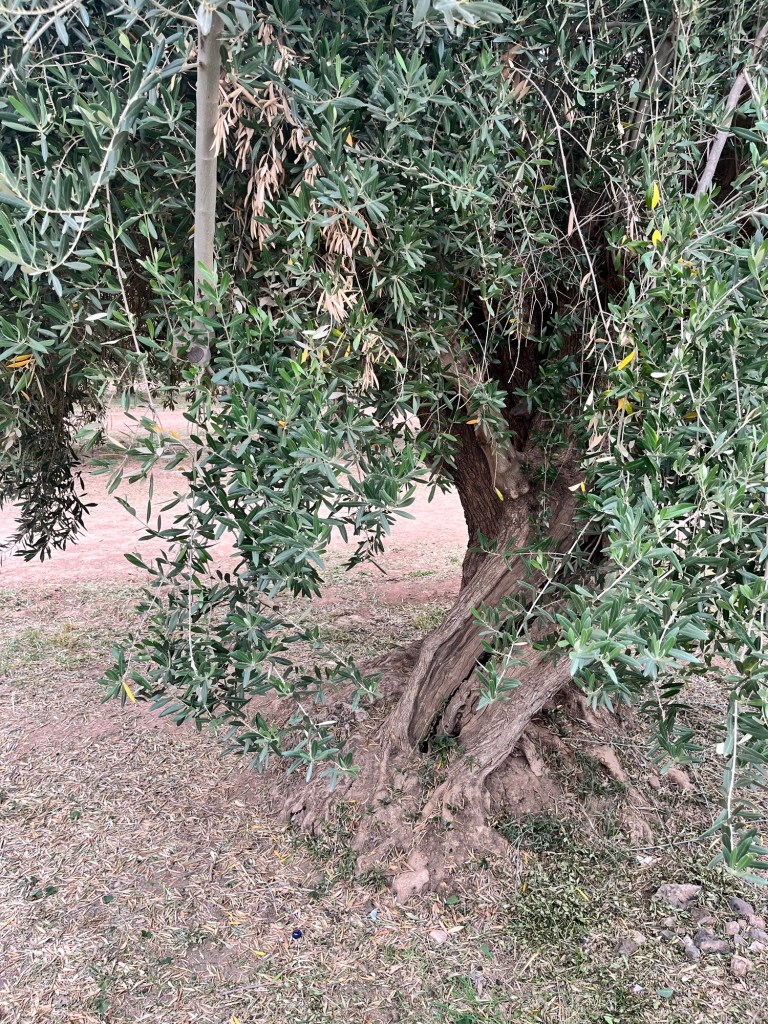
We first went to a 12th century garden which was nothing but miles and miles of olive trees, Menara Gardens was established along with two large water reservoirs which supplied all the water for the garden for centuries.

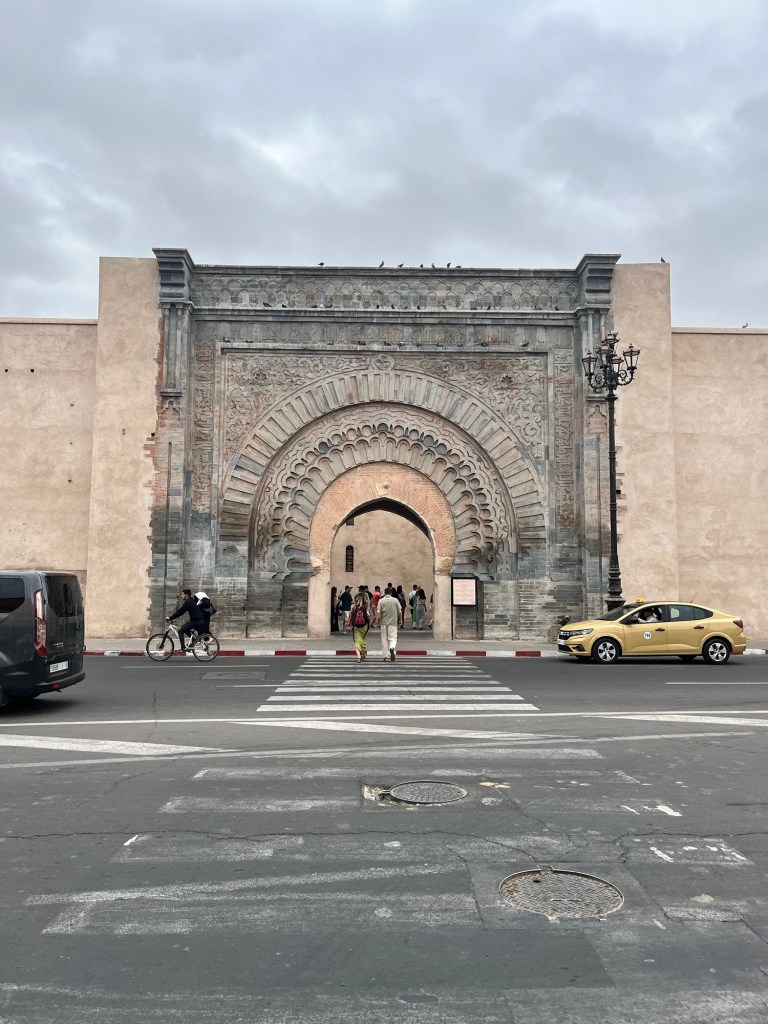
Next we went to the Kasbah which is a walled city within a city. The Kasbah historically was where the wealthiest people lived and the shops were the crème de la crème. The streets are wider and easier to navigate; and it was much quieter than the Medina. The Kasbah dates back to the 12th century.

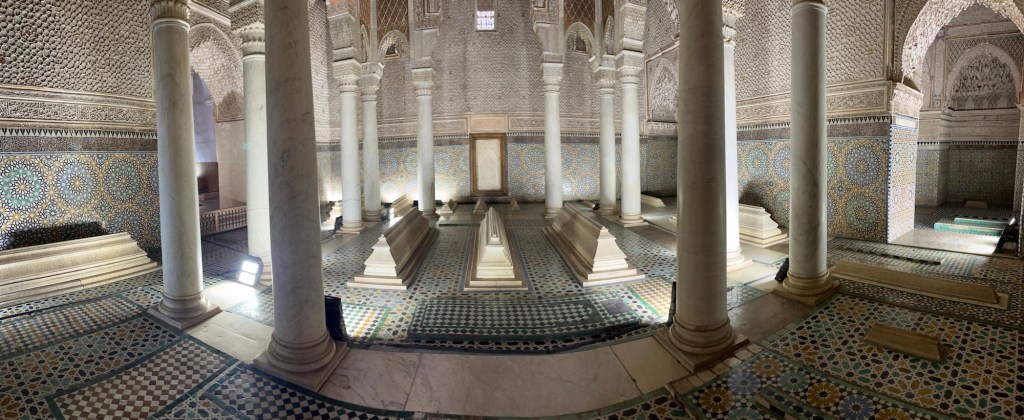
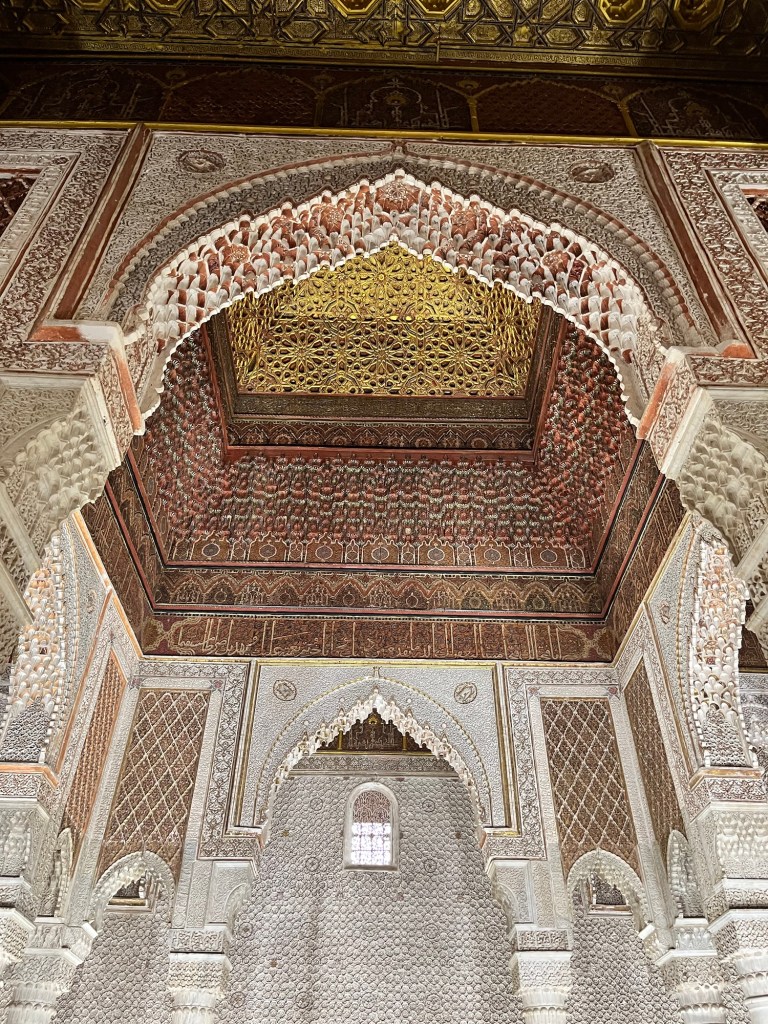
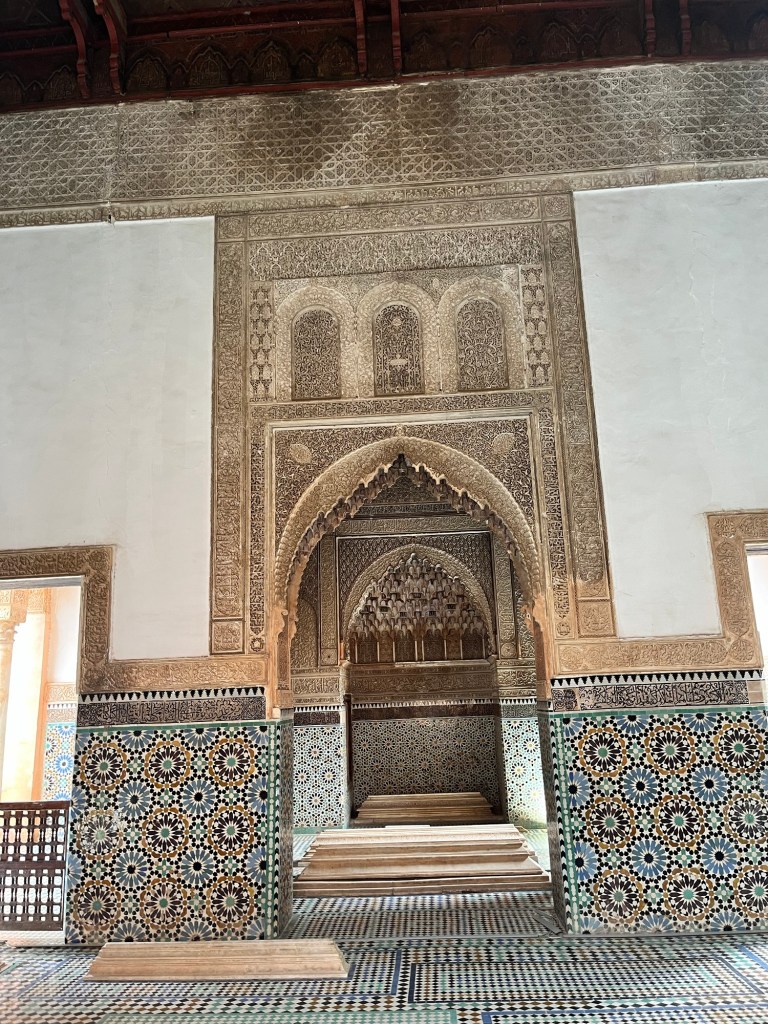
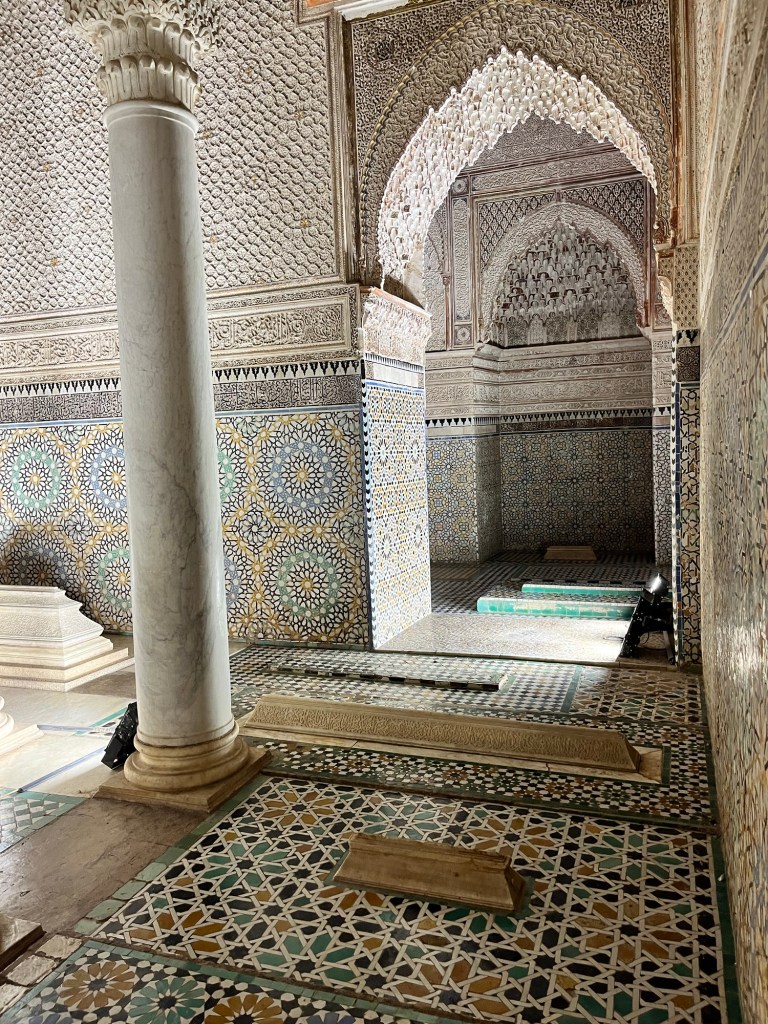
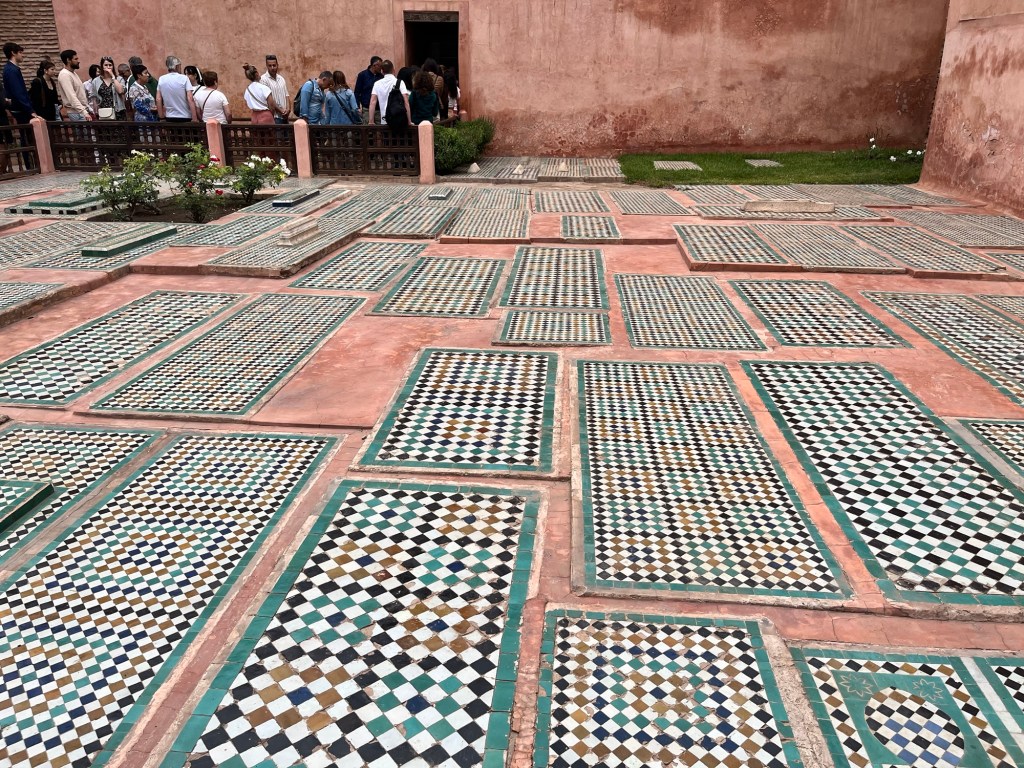
In the Kasbah we visited the Sa’didi Tombs where the most prominent of the rulers, their families, and some servants were buried. Note that in Moroccan culture, you typically do not find head stones with names. The only identification is based in your status and sex and is reflected in the size and shape of the graves.

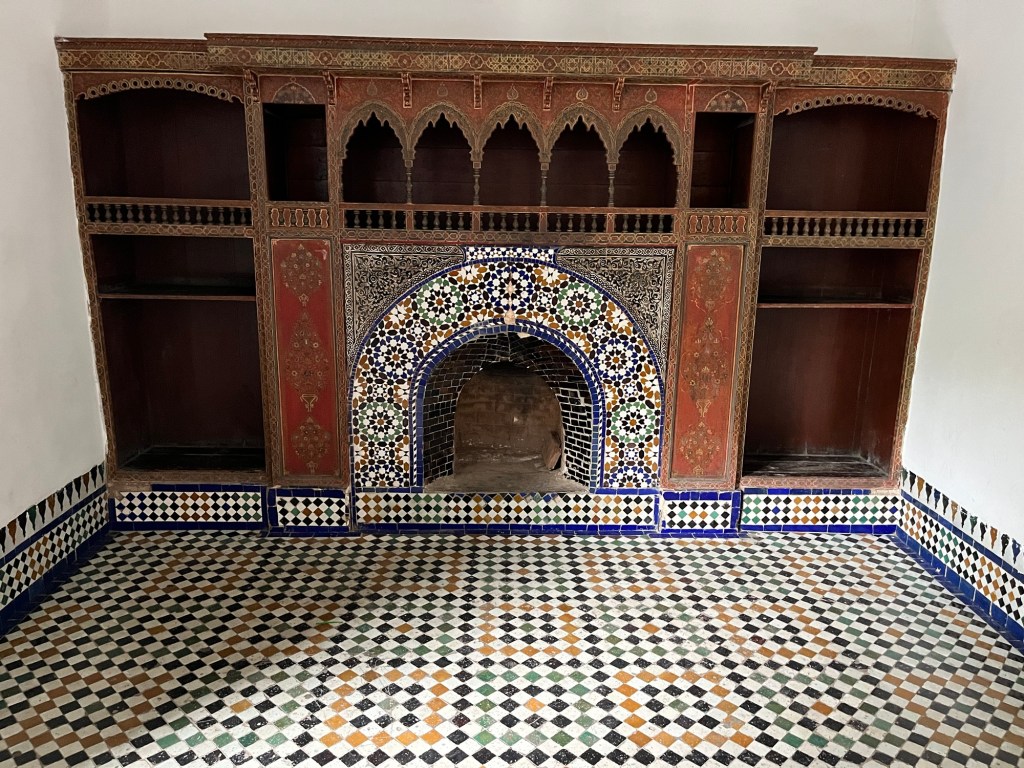
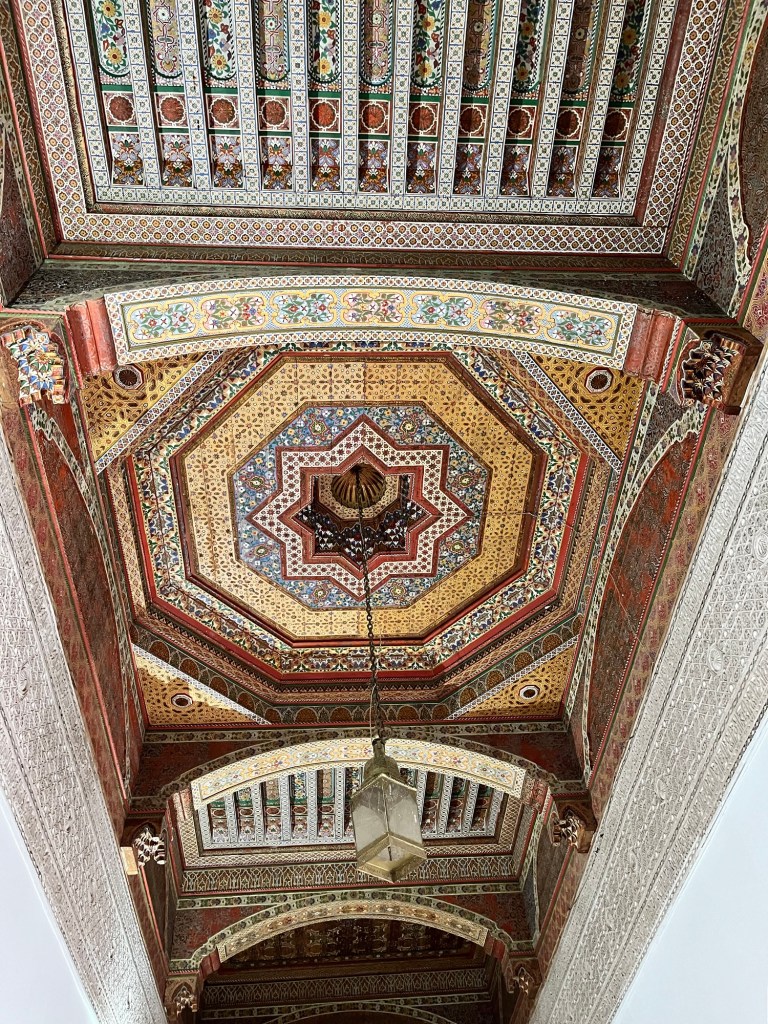
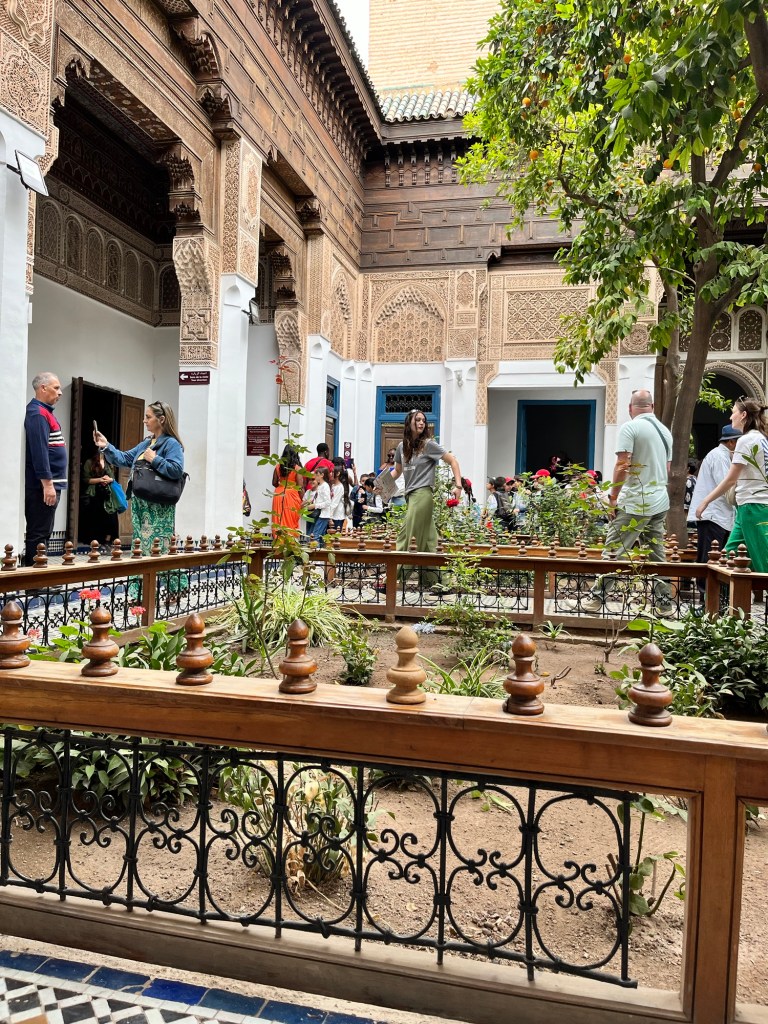
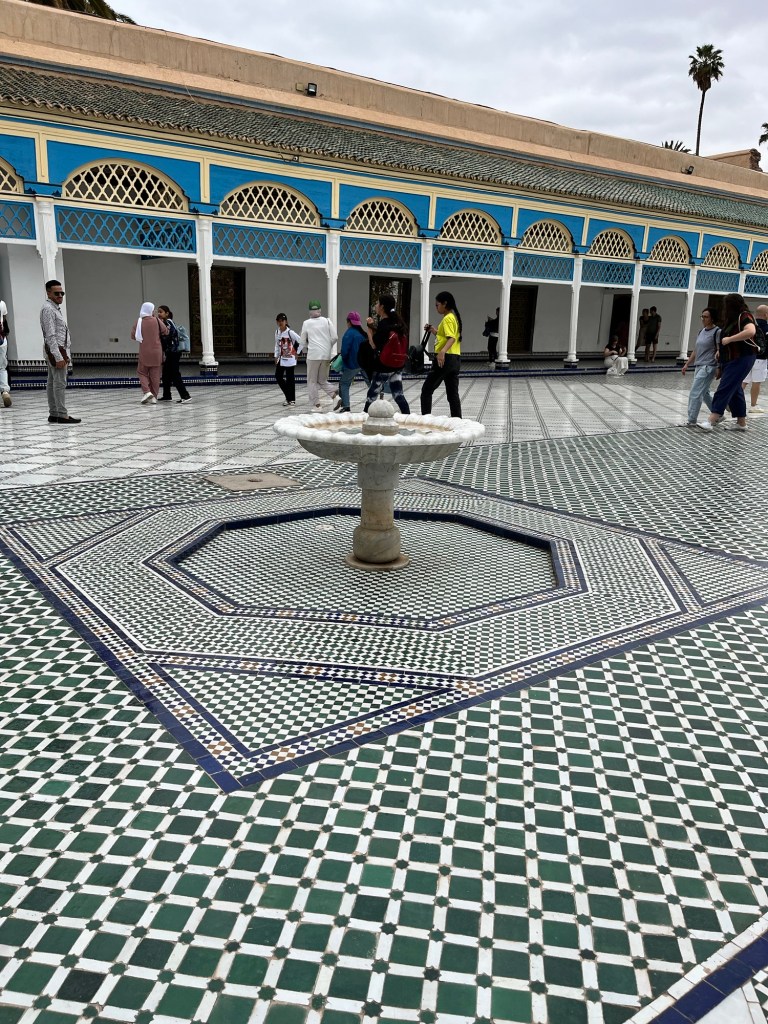
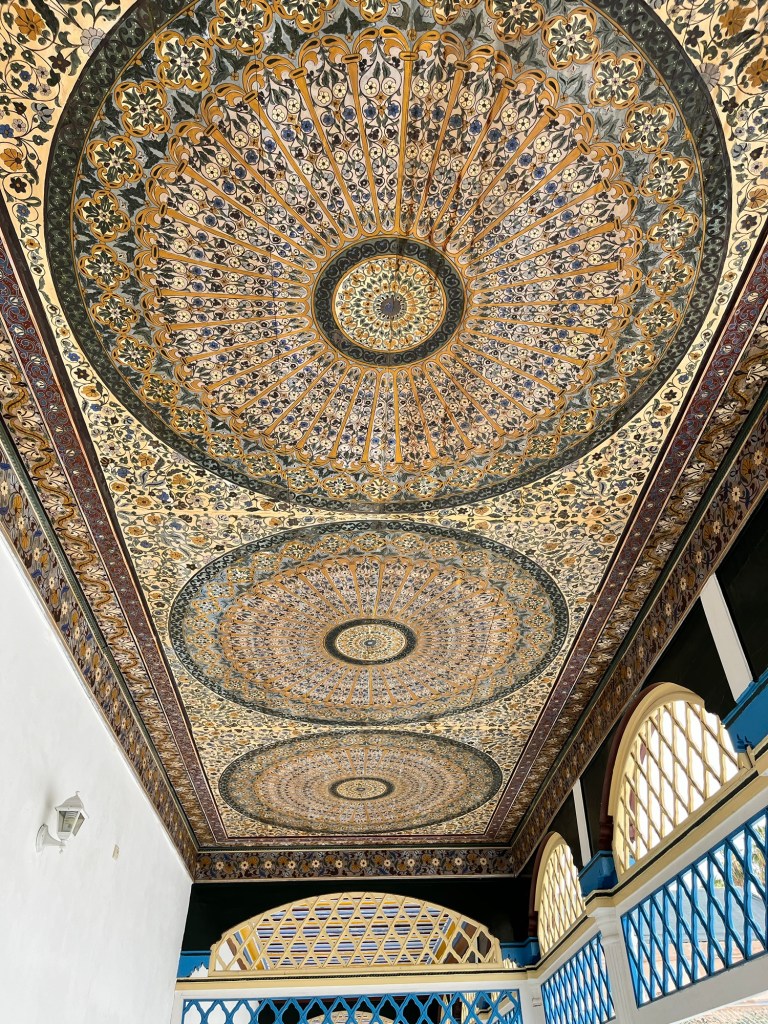
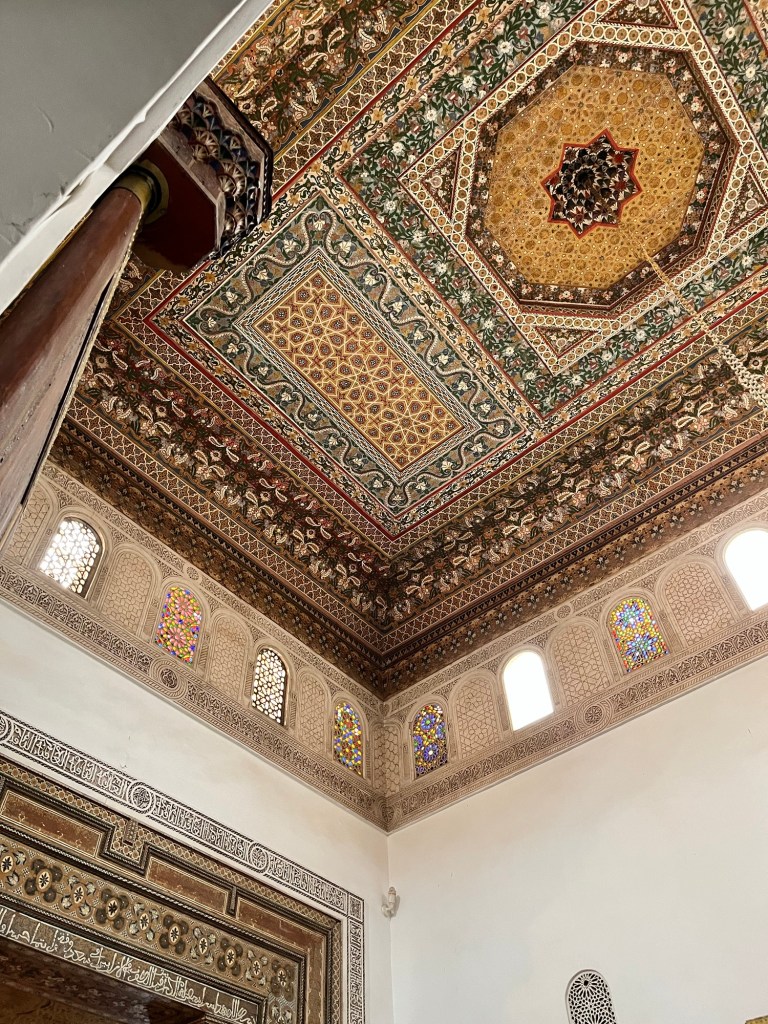
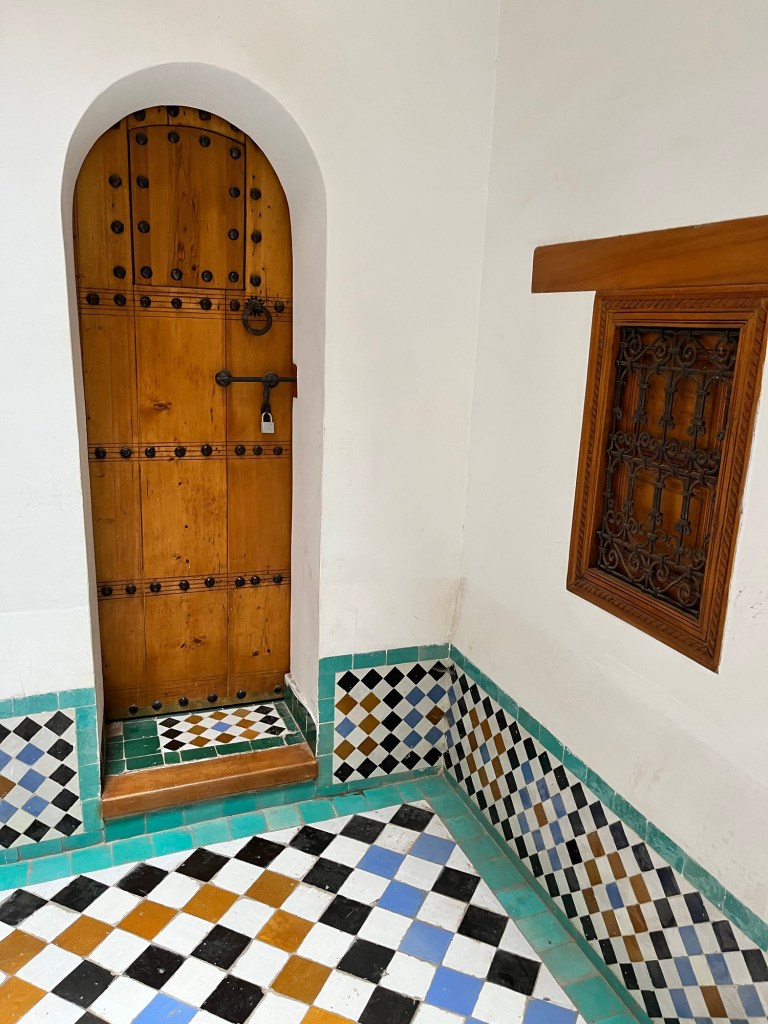
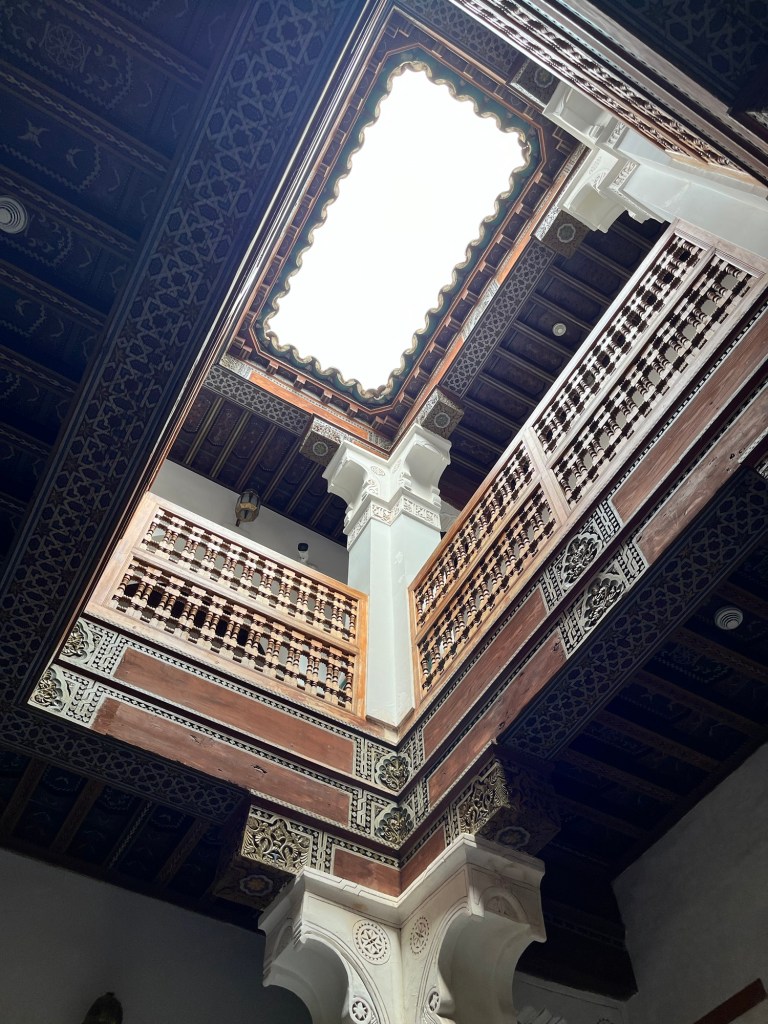
After a long walk through the area we ended up at the Palace Bahia which was built in the late 18th century. The story we learned on the tour was that it was built by the Sultan for his first wife, Bahia, but google gives a more nuanced answer. It was begun by a grand vizier who had been a prominent slave. Continued expansion of the palace occurred under the son of another ruler (to be honest I’m confused about the path here).
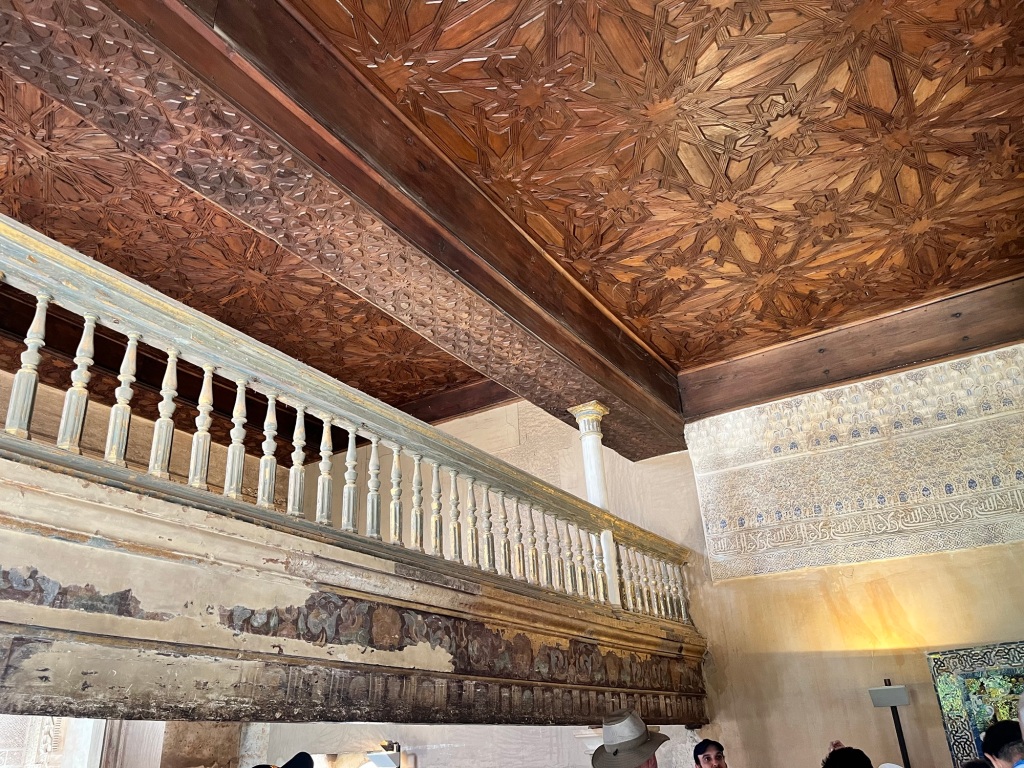
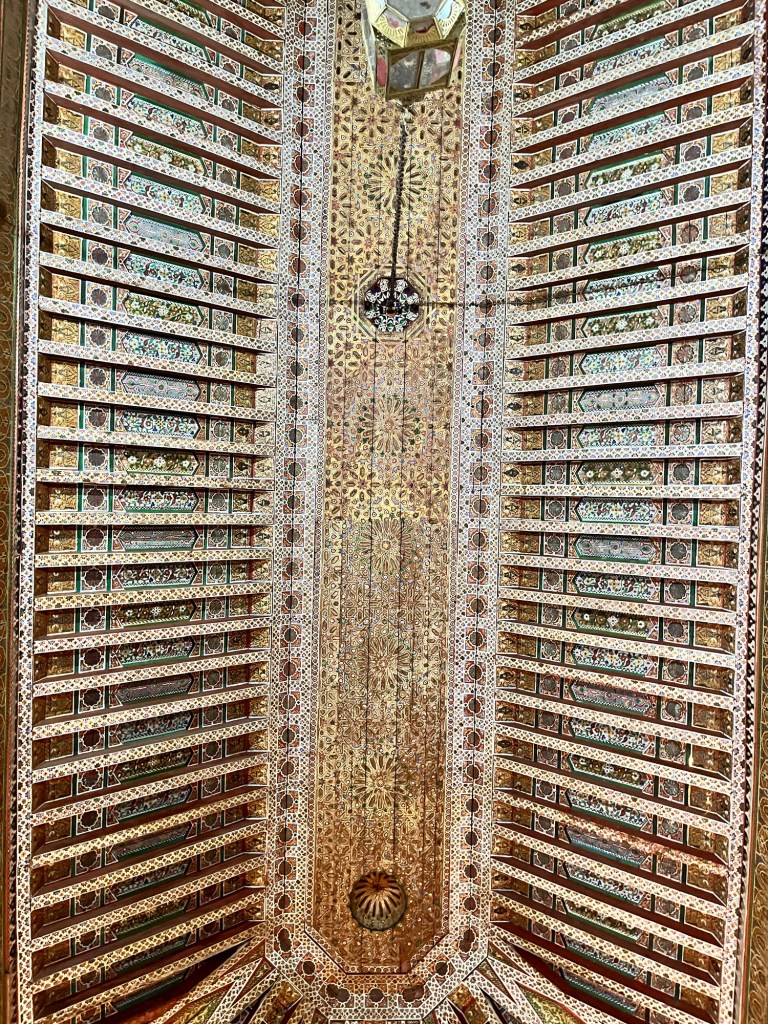
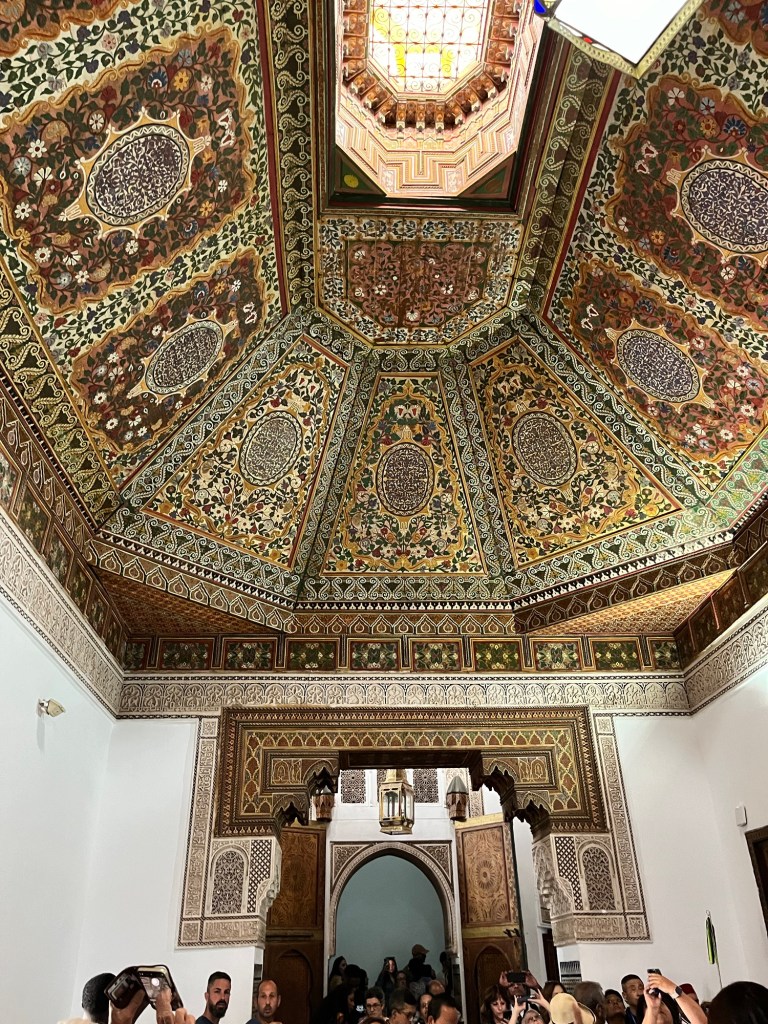
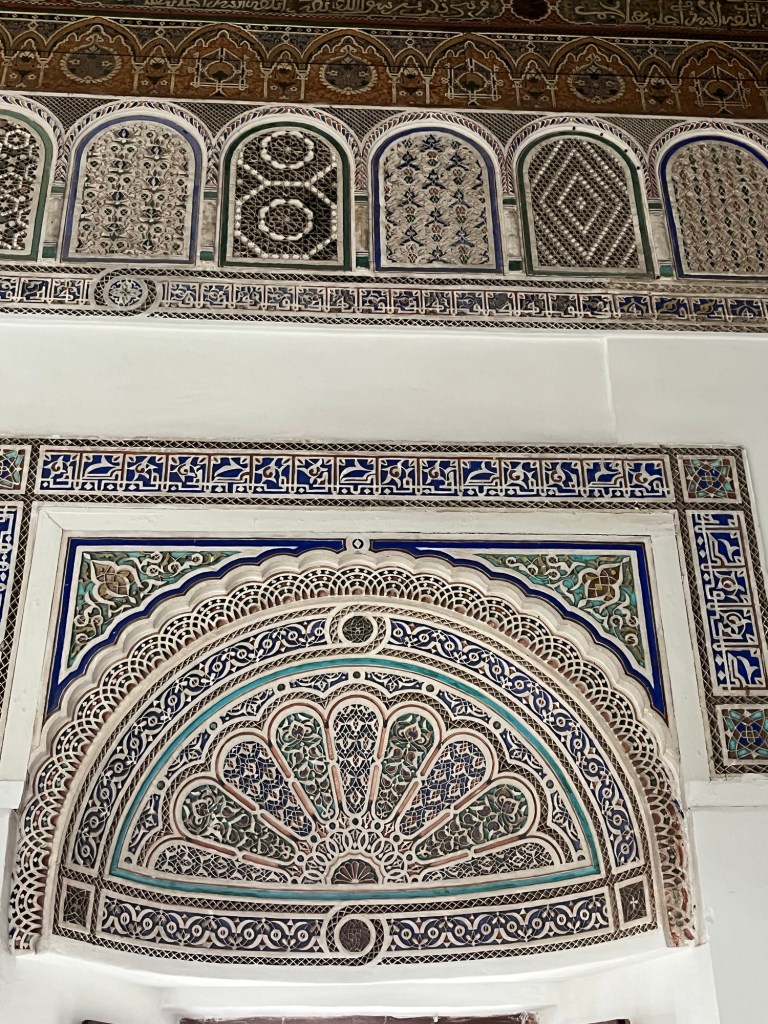
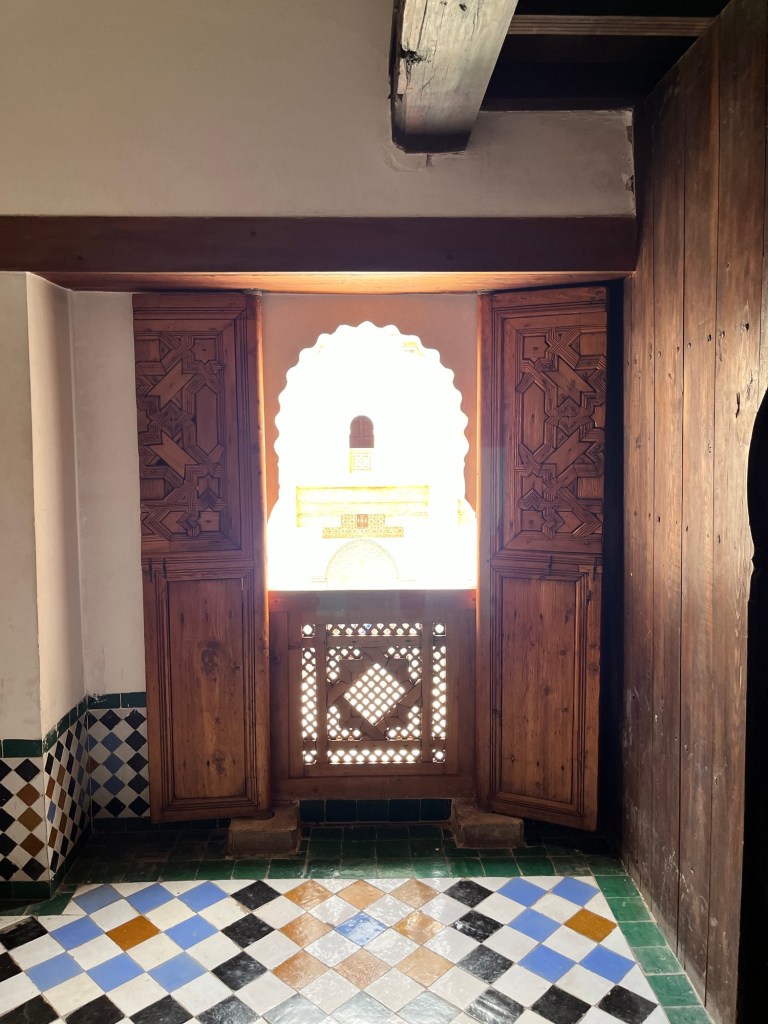
The palace encompasses a number of riads, which are effectively homes with inner courtyards. I found the designs of some of the ceilings to march more what I saw in Turkey, which makes sense given the time period it was built.

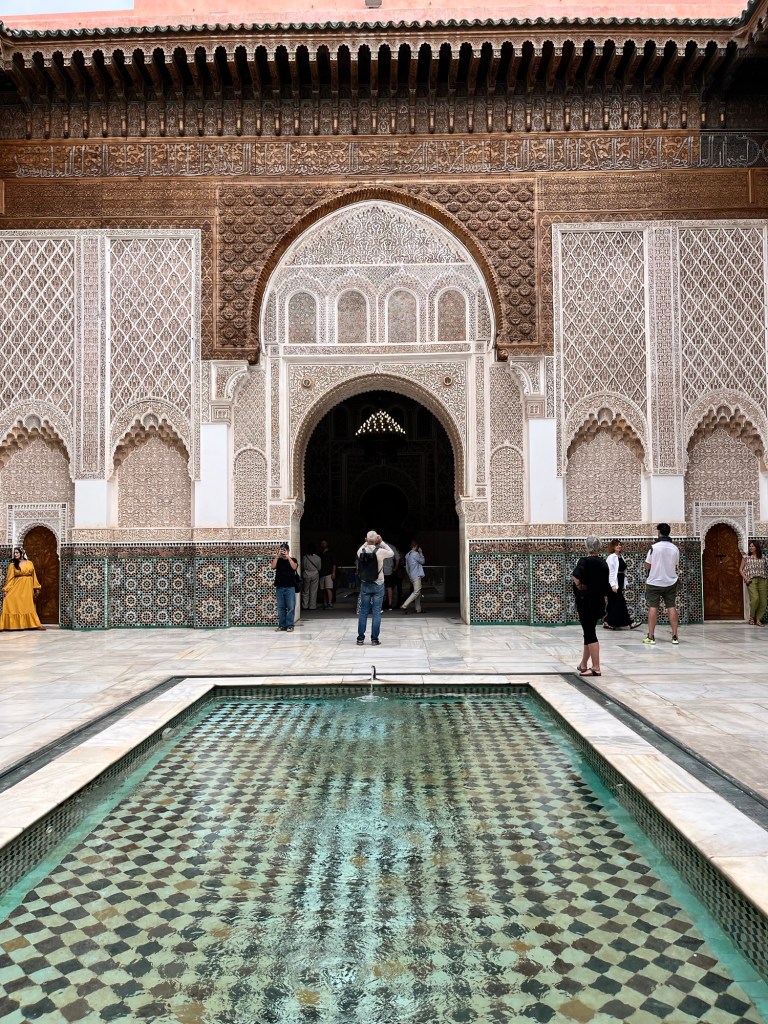
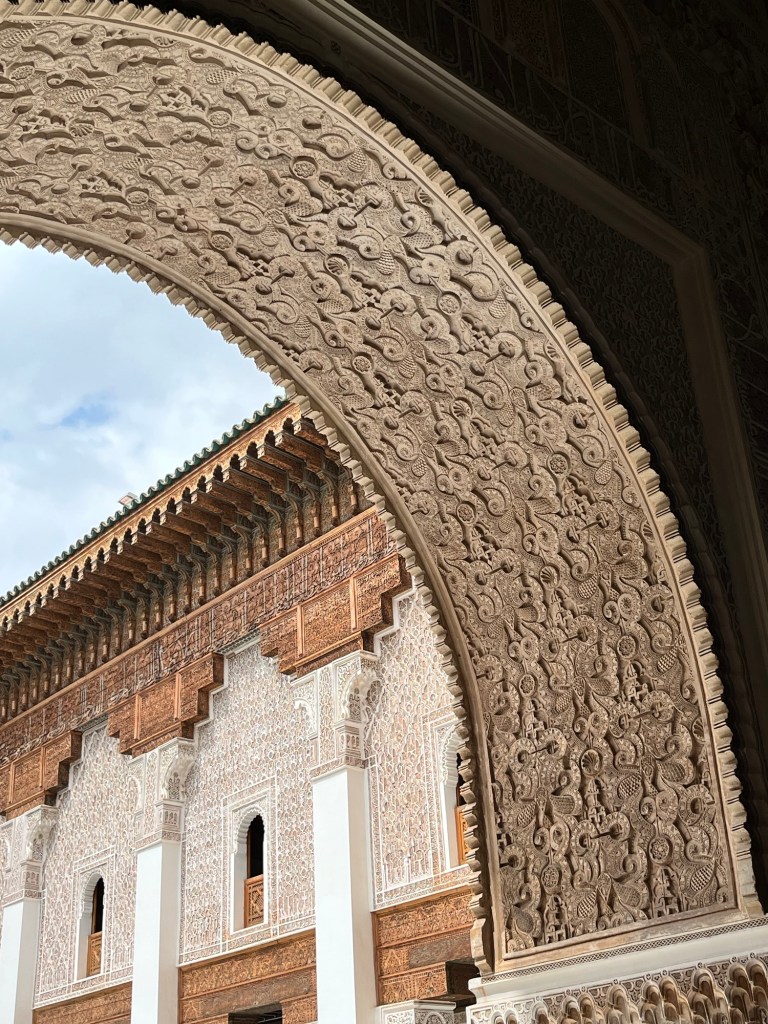
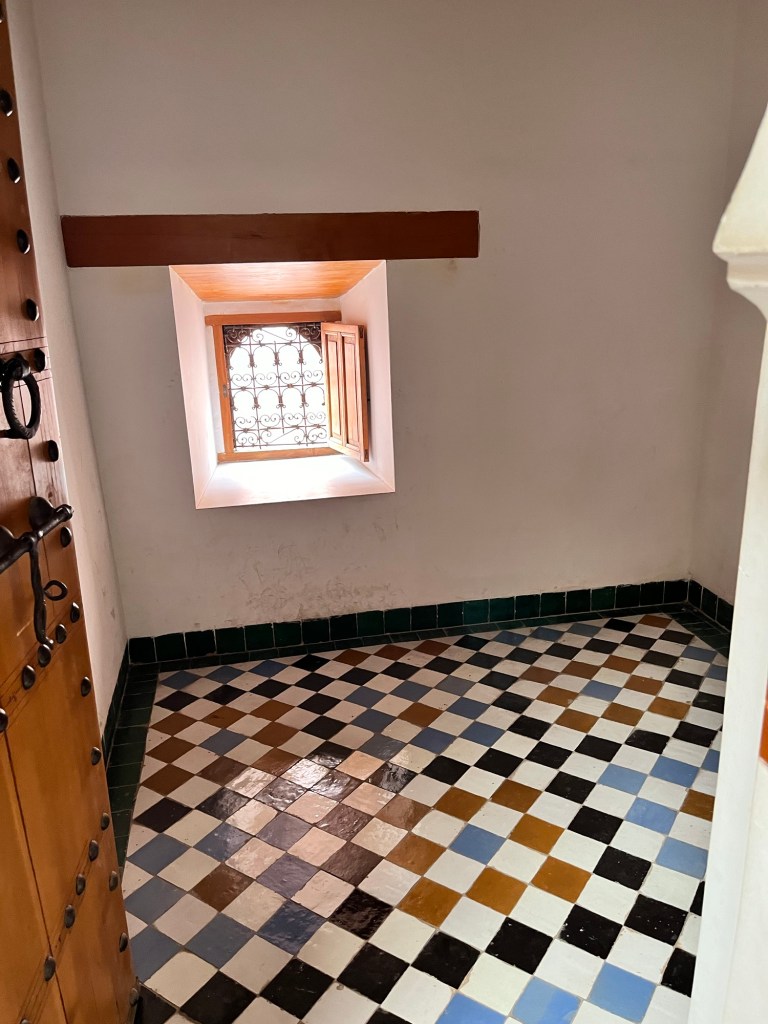
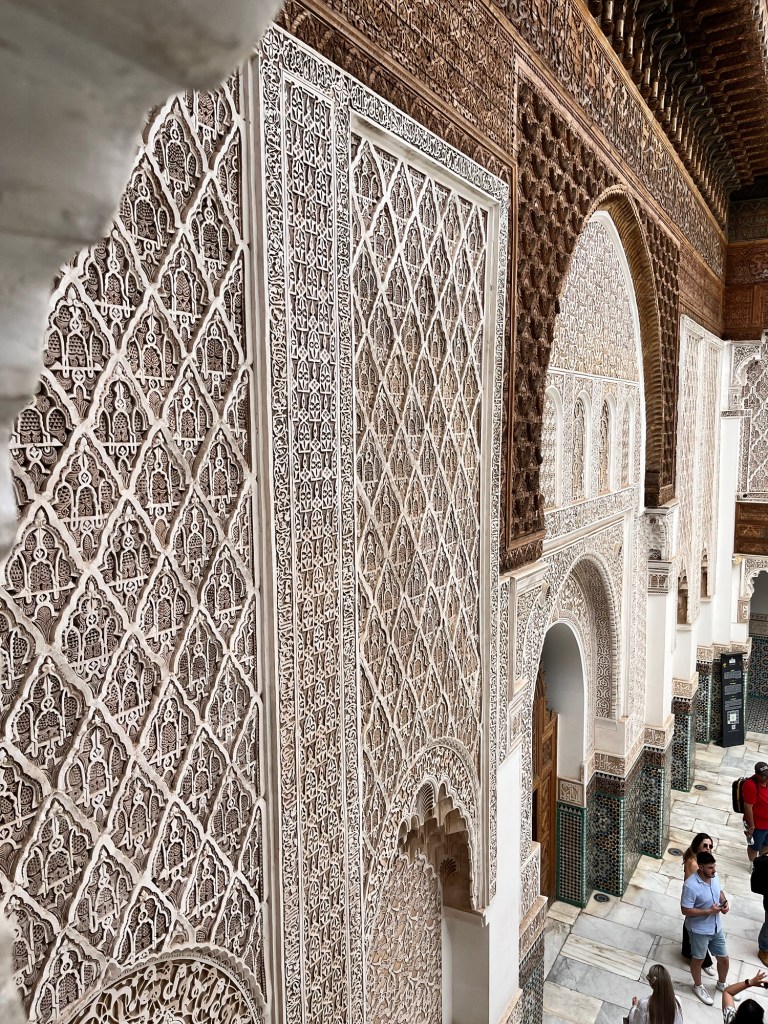
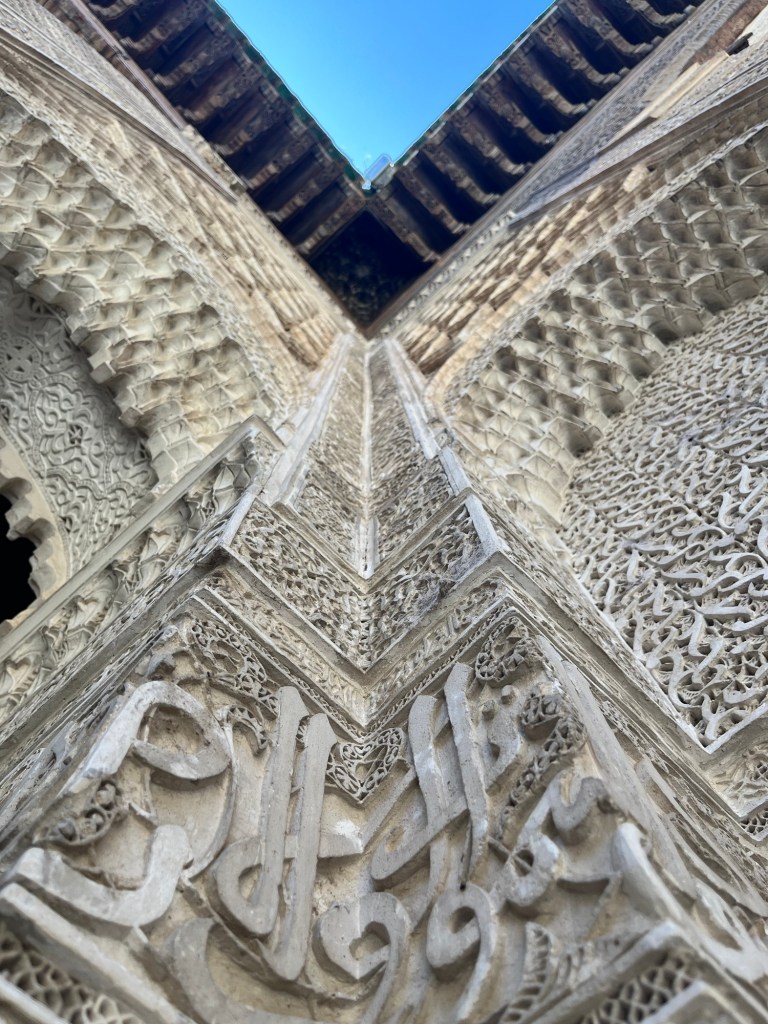
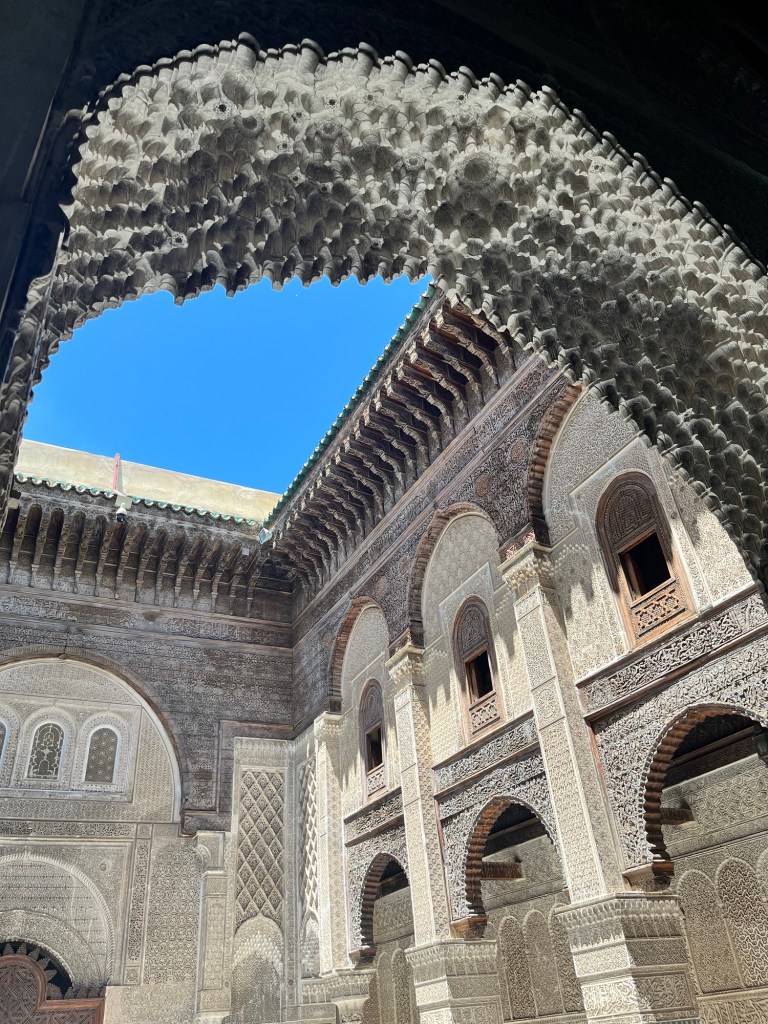
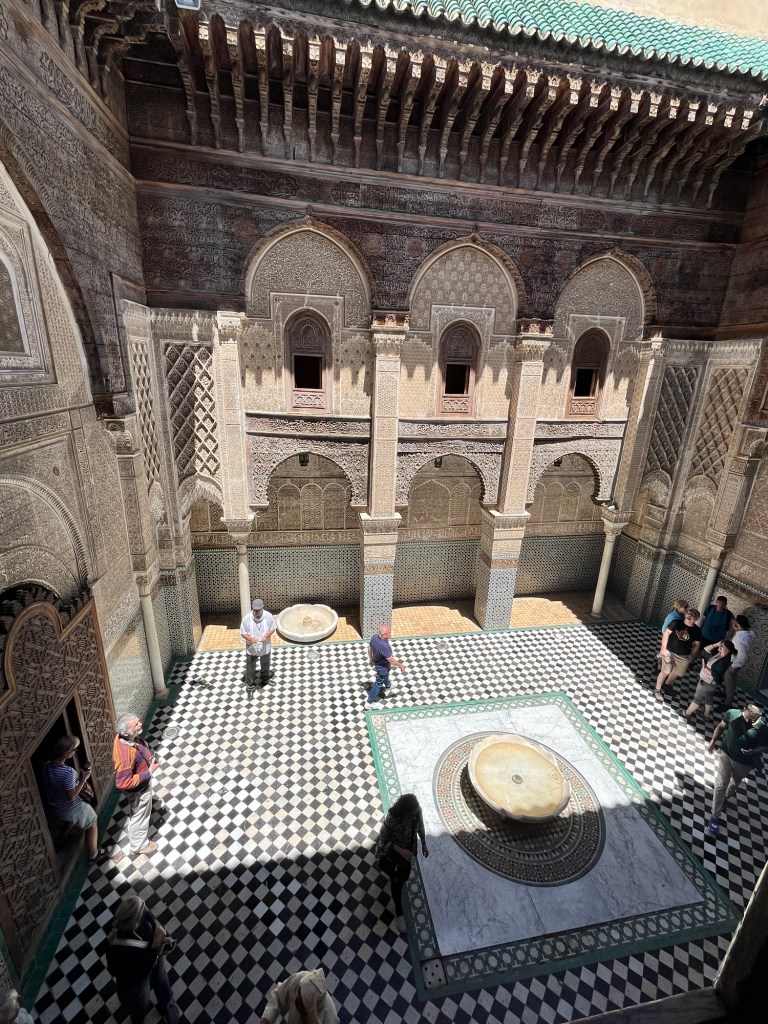
Our final stop before lots of walking through the Medina was the Ben Youssrf Madrasa, an Islamic college built in the 16th century. It was STUNNING. The school includes dormitories that would house both students and professors, there are a total of 130 student rooms and it housed up to 800 students.

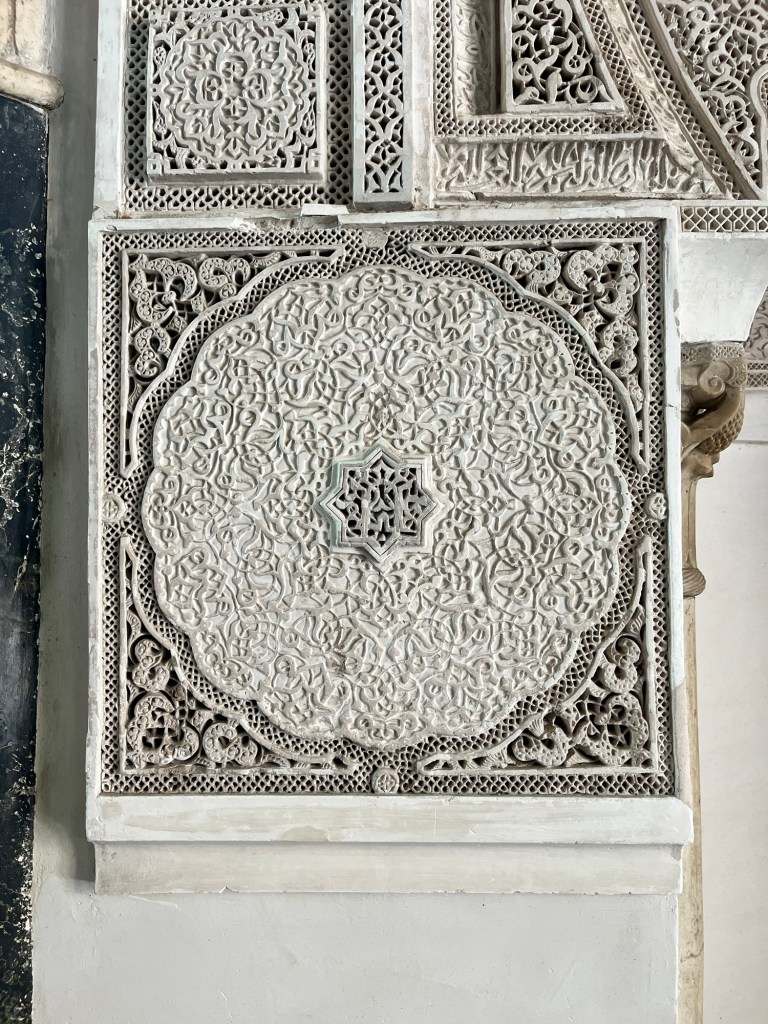
The artwork was amazing, can you imagine if we invested money into buildings like this today?

The Fes Medina

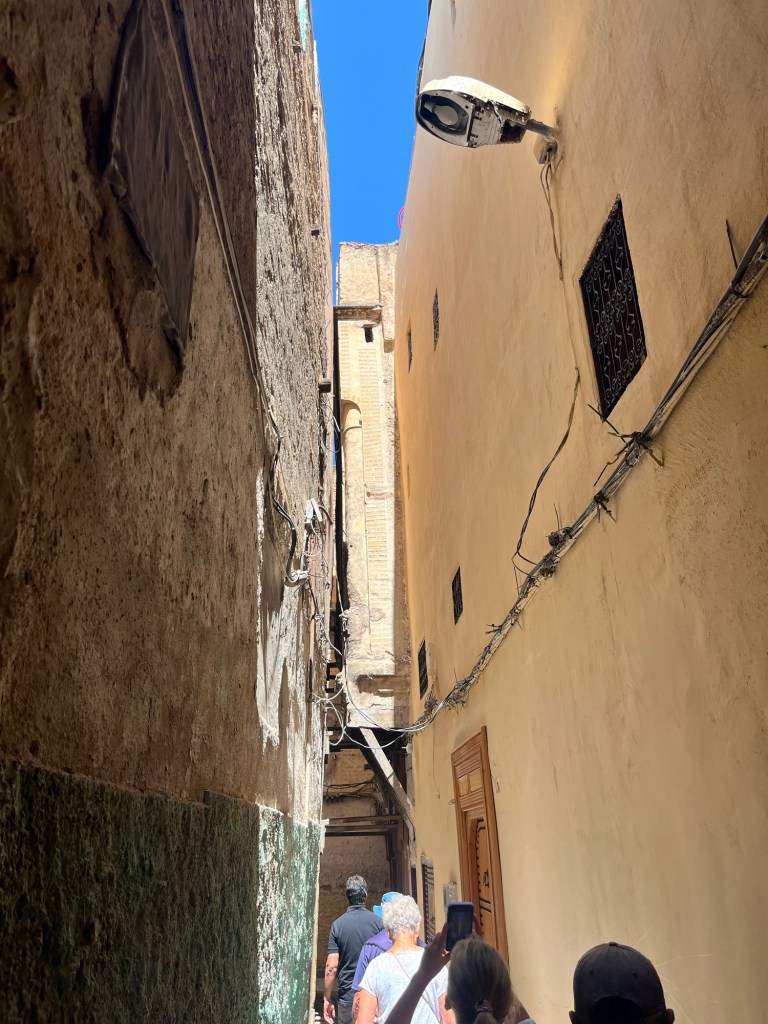
The Medina in Fes was founded in the 9th century and grew to its height in the 14th. It’s a UNESCO site for a reason, being the oldest and largest Medina in the world. If I had not have had a guide, I think I would be lost there forever.
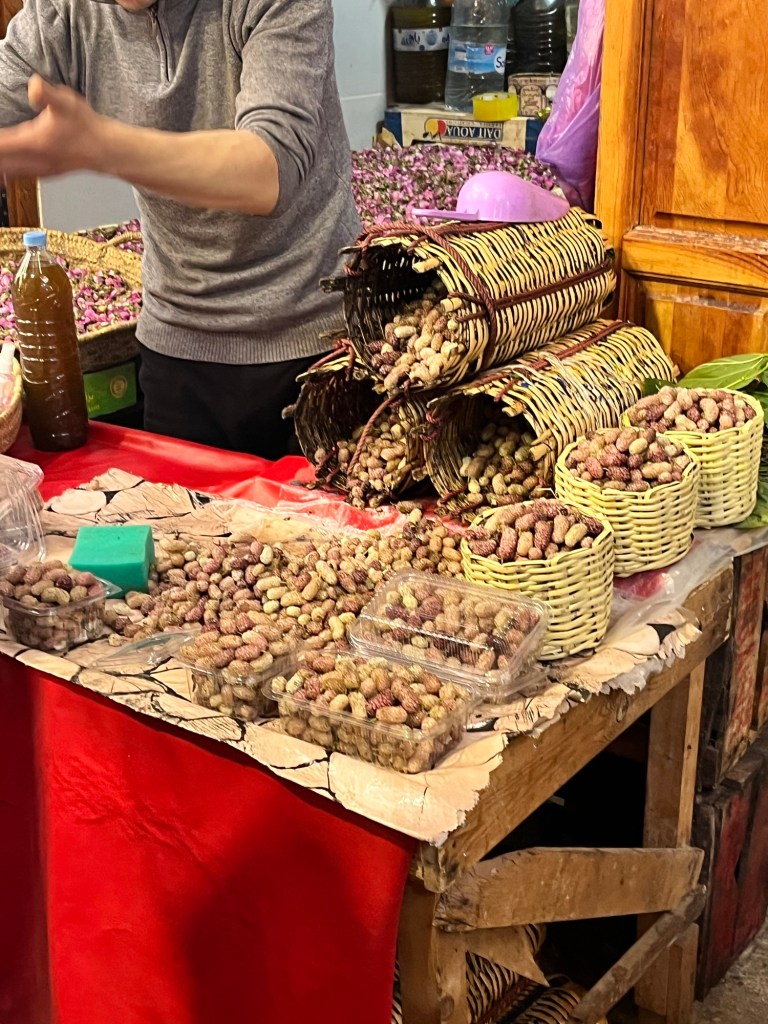
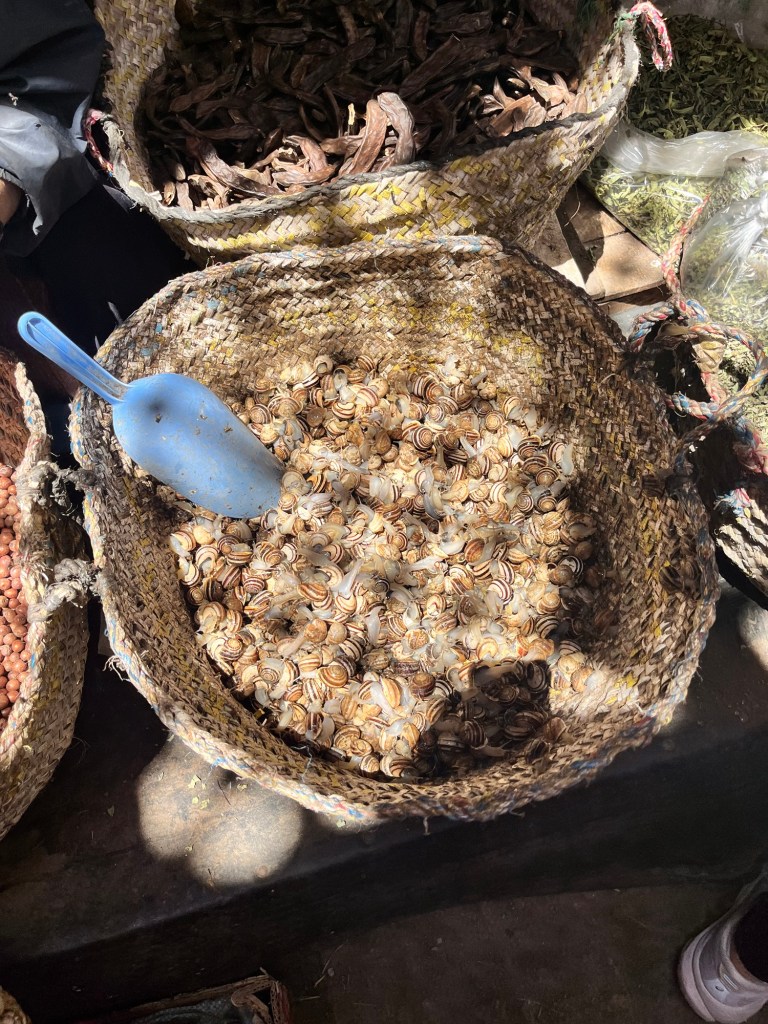
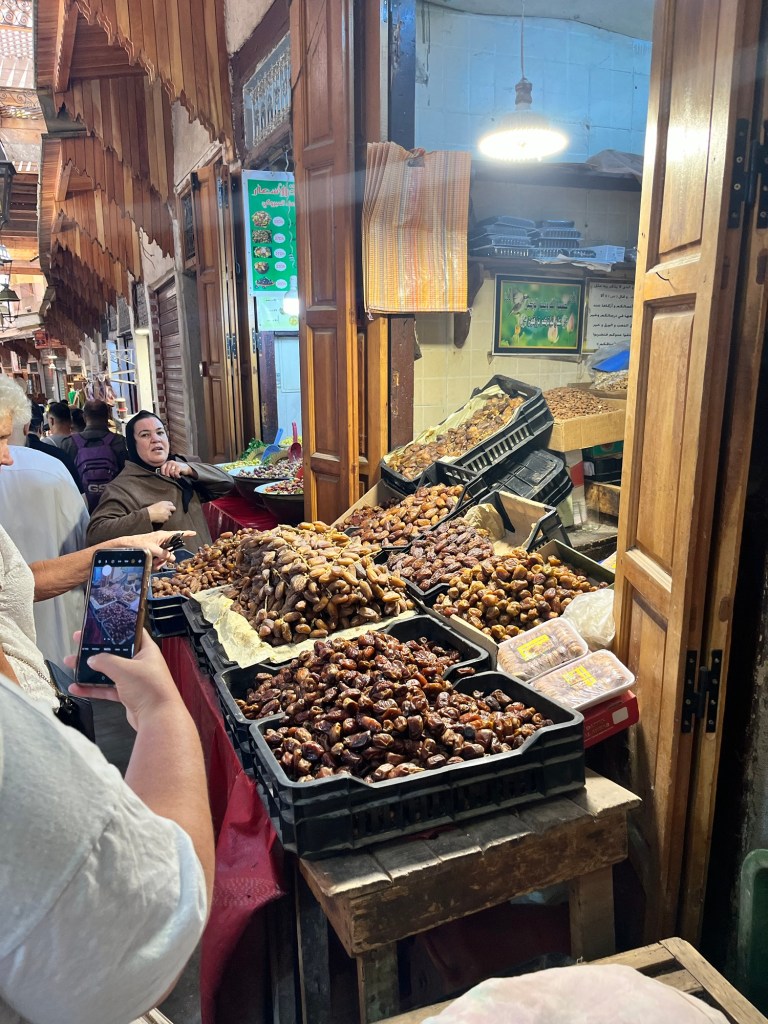
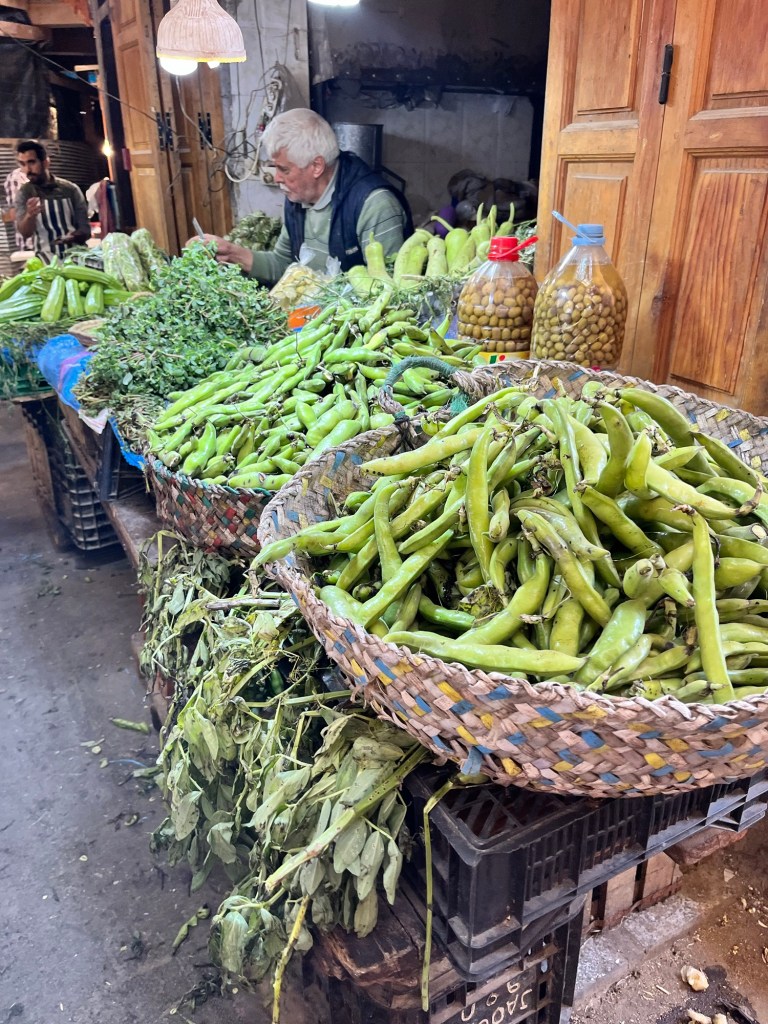
Out first stop was the the food market…not pictured: the smell of the sections where fish were sold ☠️

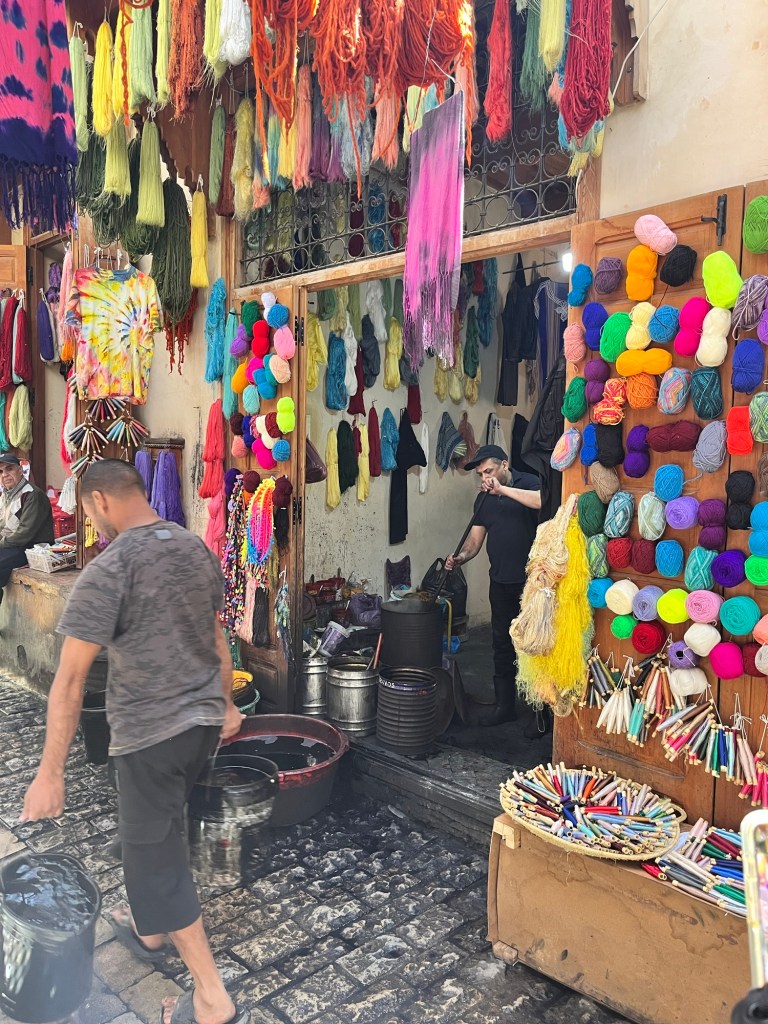
We then saw the yarn dyers…

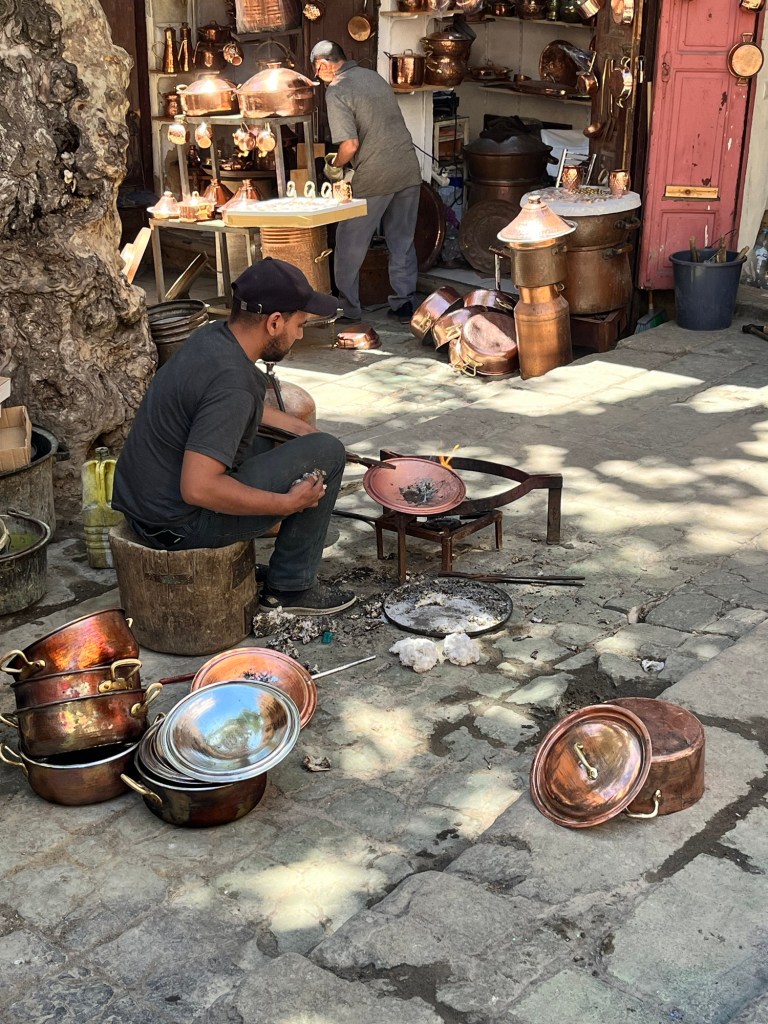
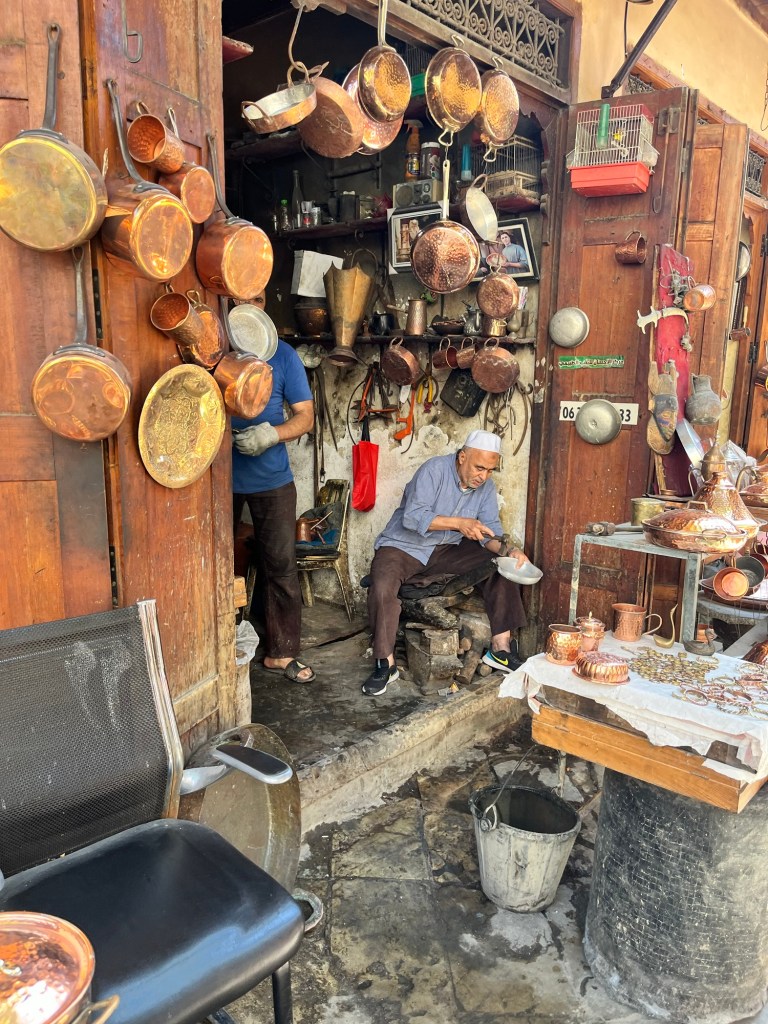
The copper smiths…

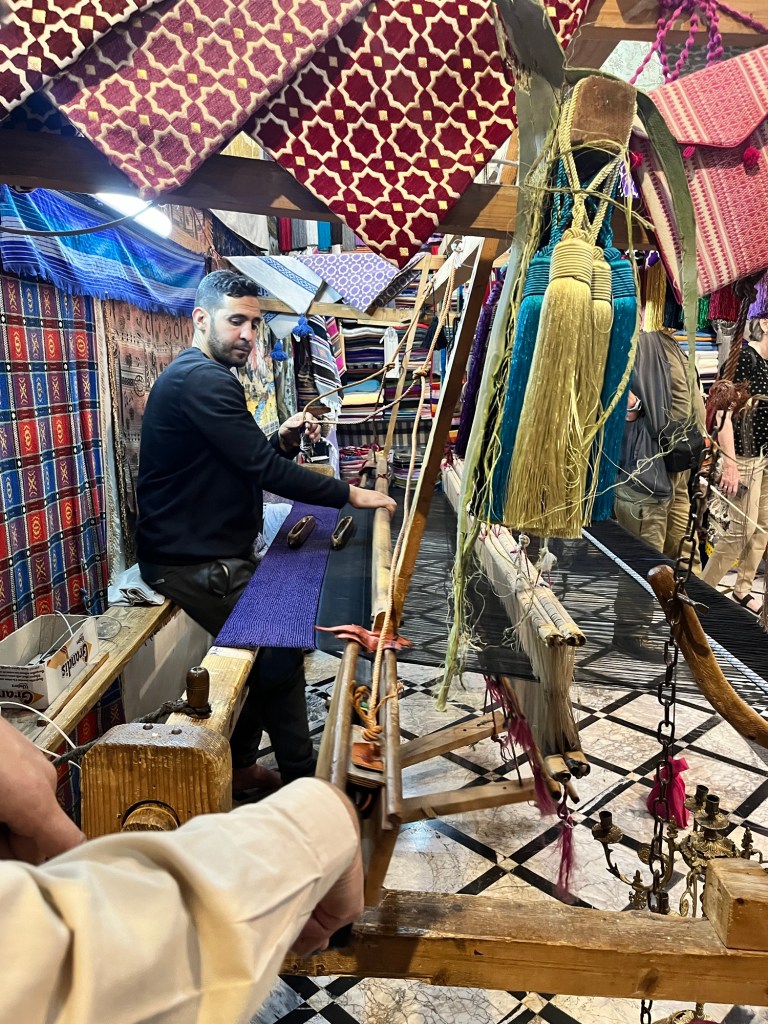
The weavers…

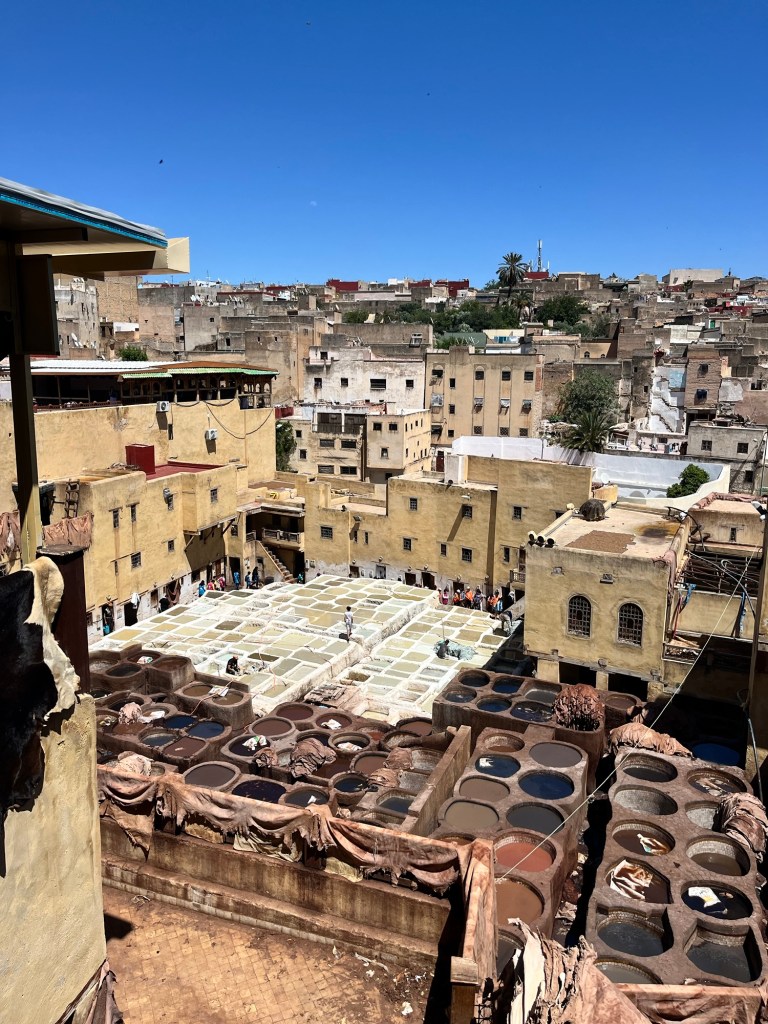
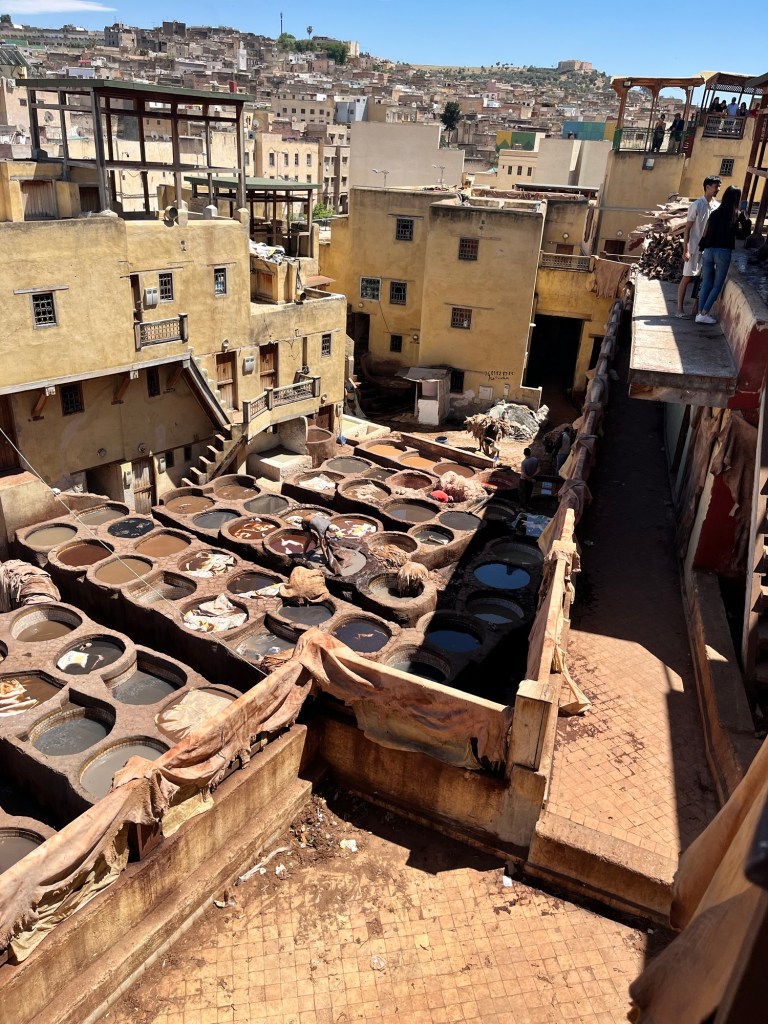
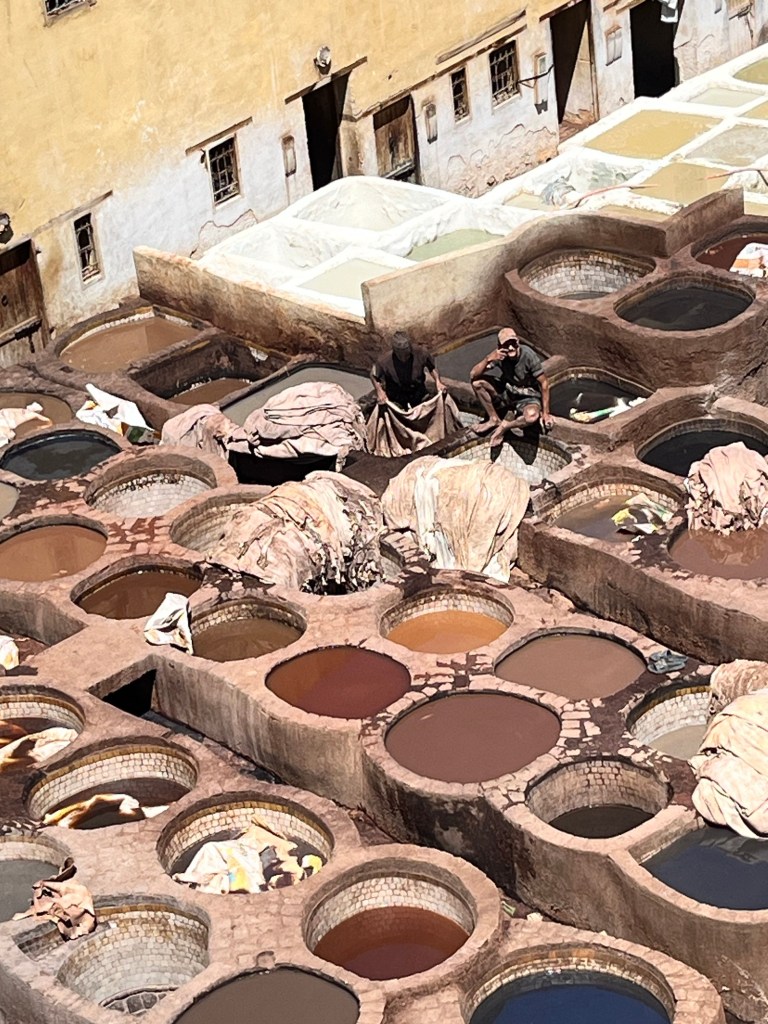
And the ever famous tannery… Here they process many types of animal skins using pigeon poop to soften the skins and a variety of local dyes to color them. The whole place smells so badly that they give tourists mint leaves to put under our noses while walking around.

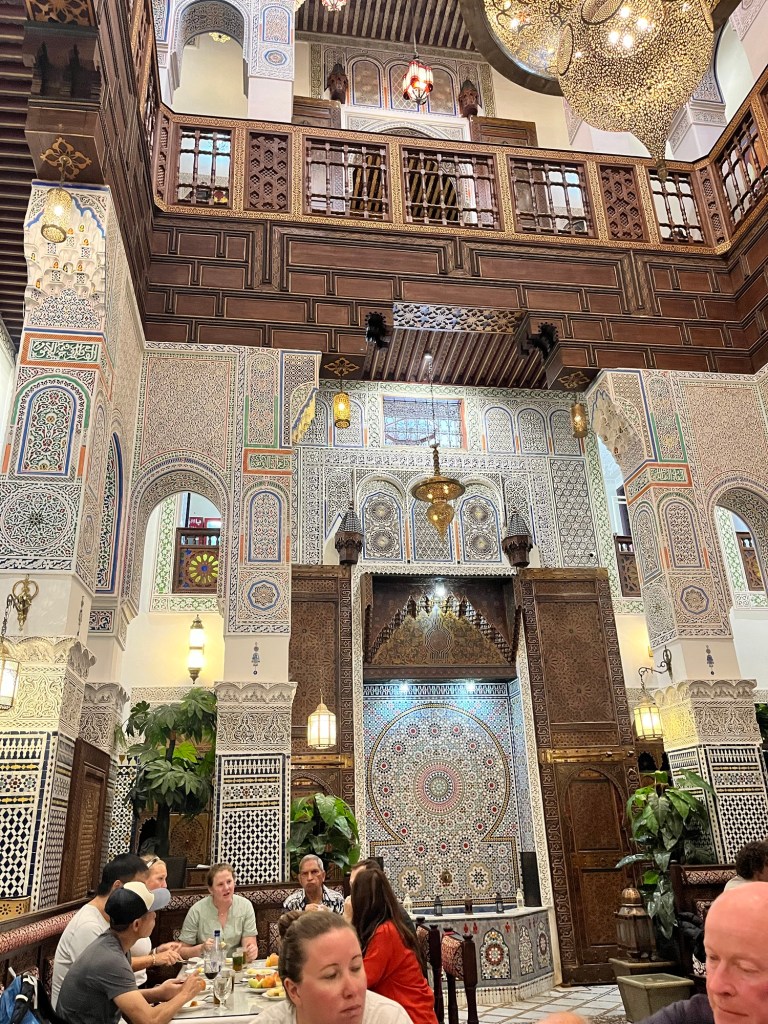
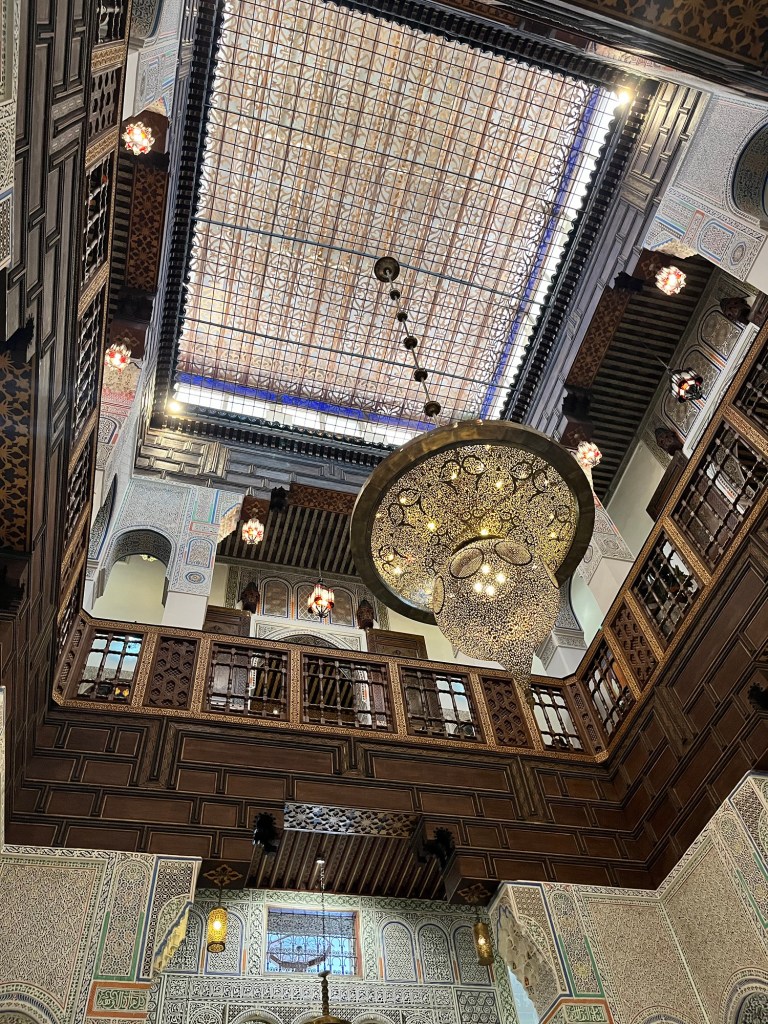
A Medina is not just a place to create and sell wares, it is also a place to live, learn, and worship. Down the narrow walkways and through the doors are very large rooms that are often decorated very extravagantly with mosaics. We ate lunch in this restaurant that was likely a Synagogue originally (thanks to a Seminary friend who is a Rabbi for pointing that out to me).

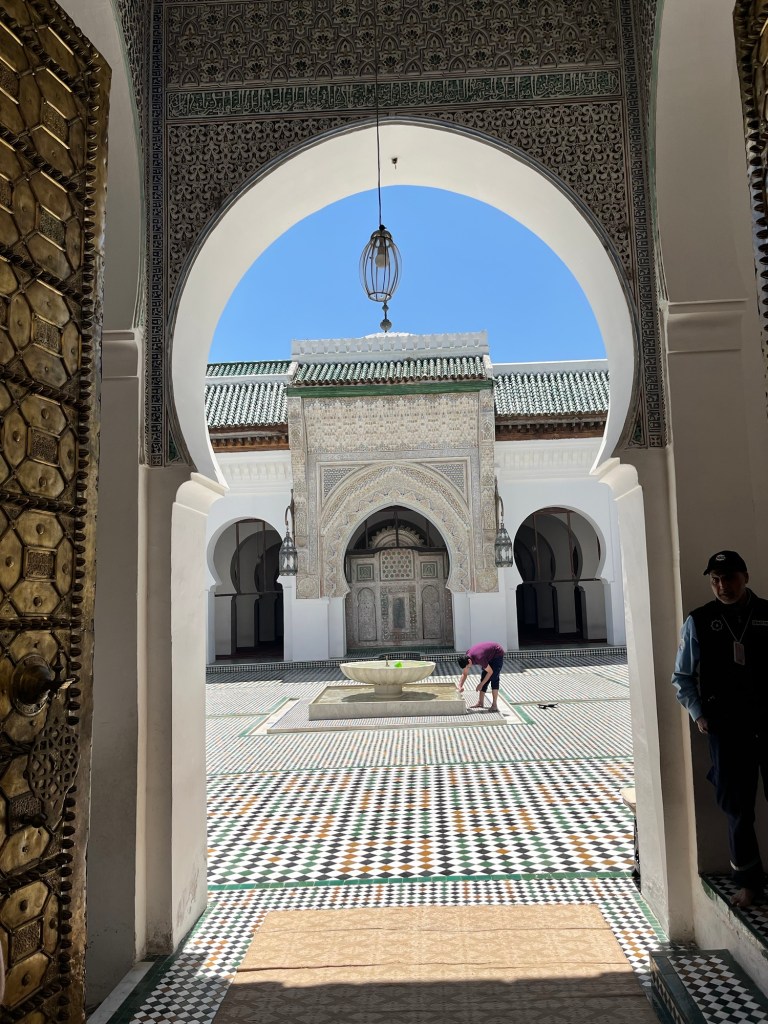
The Kairaouine Mosque and University was founded by a woman named Fatima in the 9th century, and is the oldest university in the world.

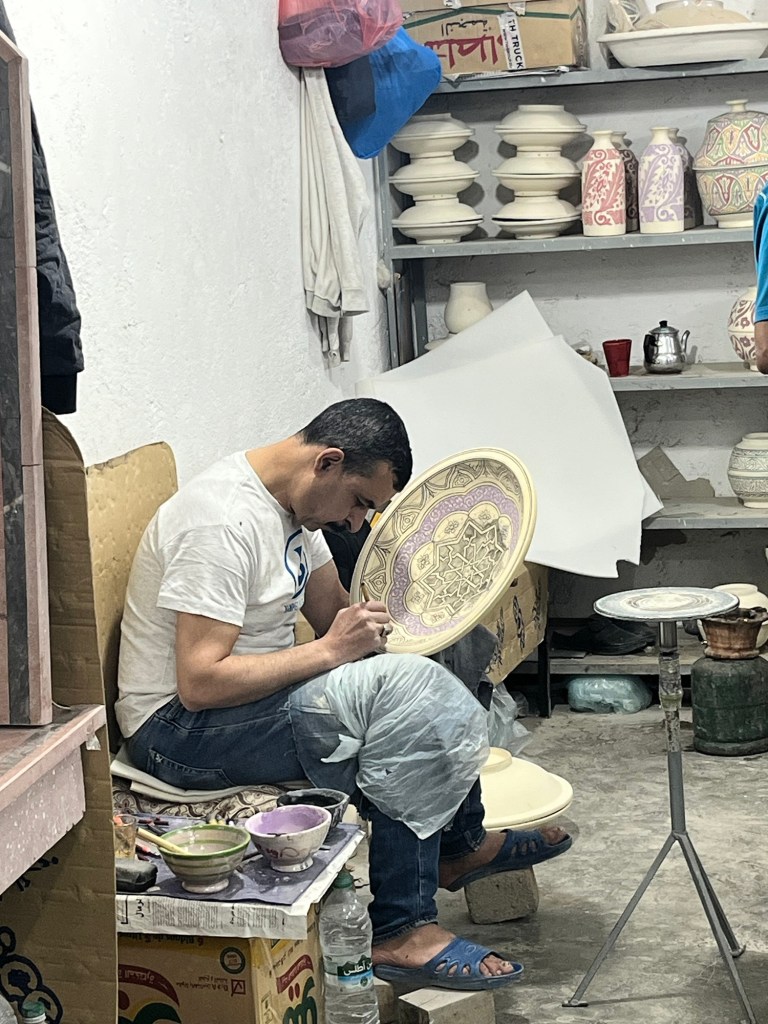
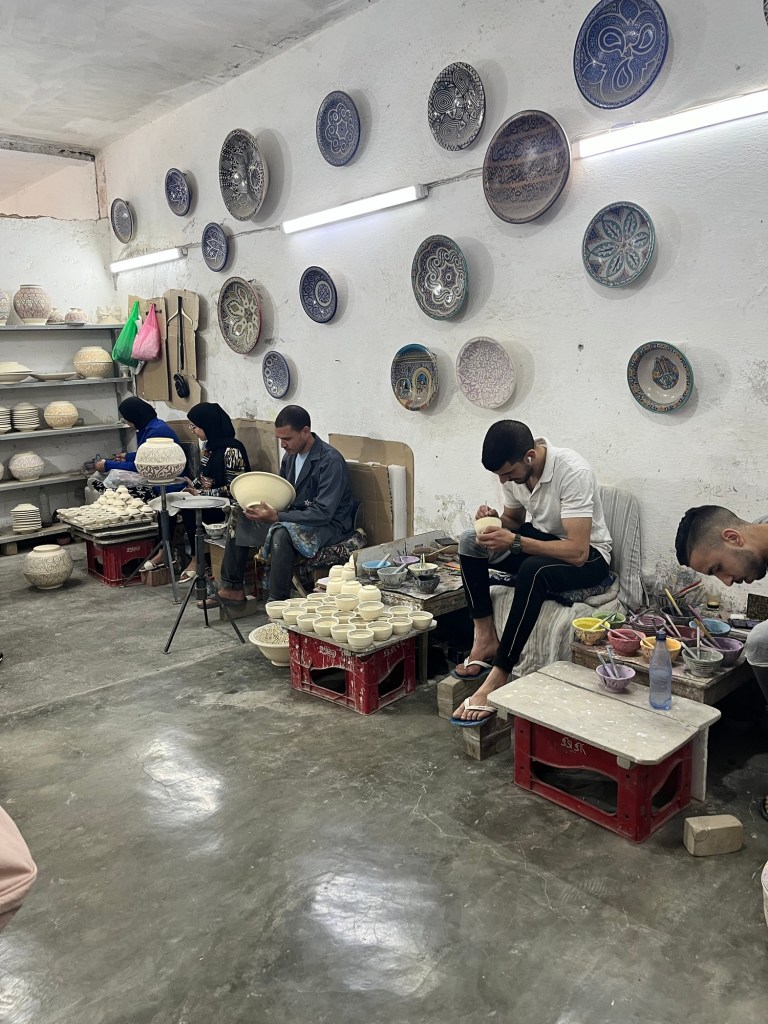
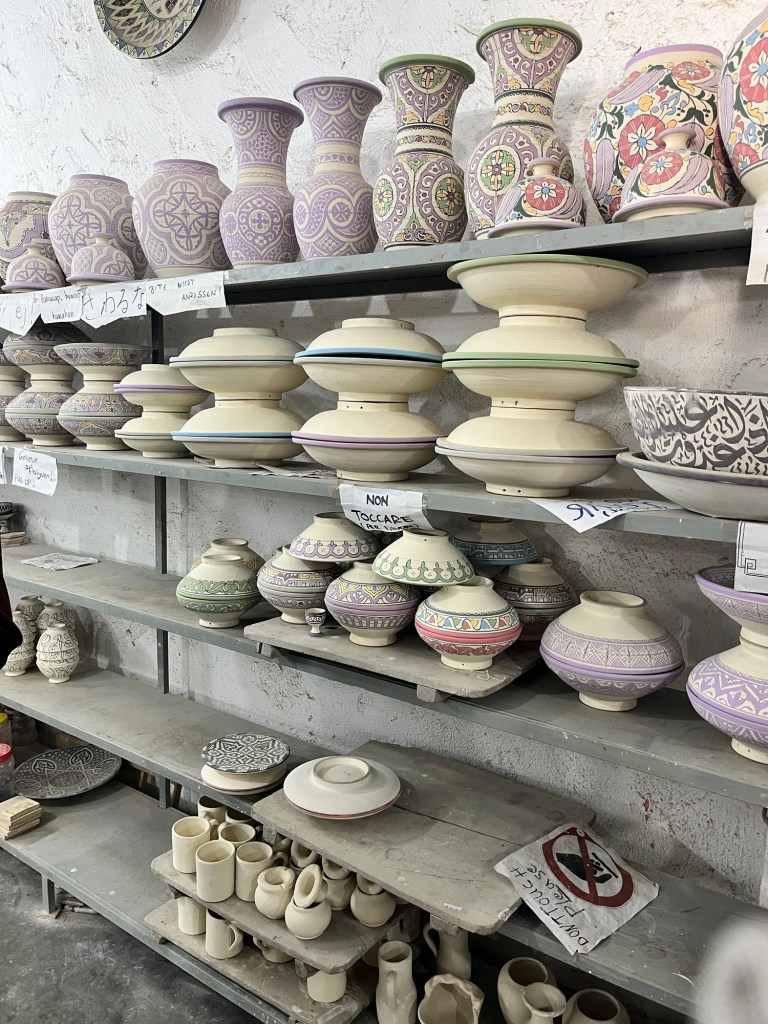
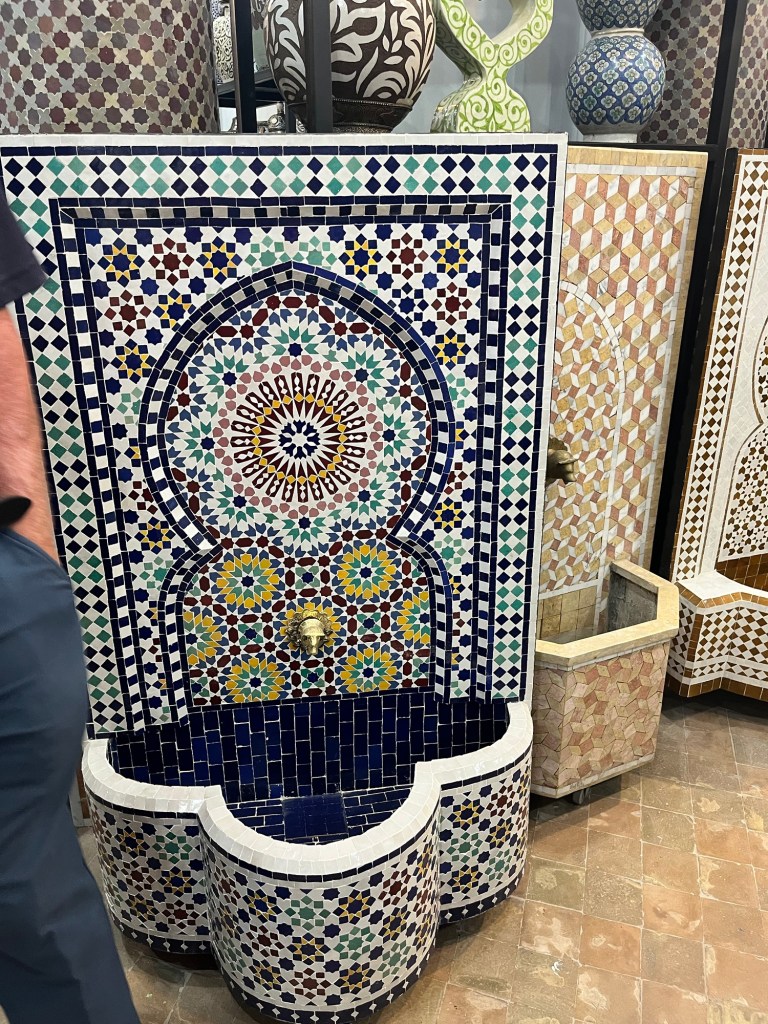
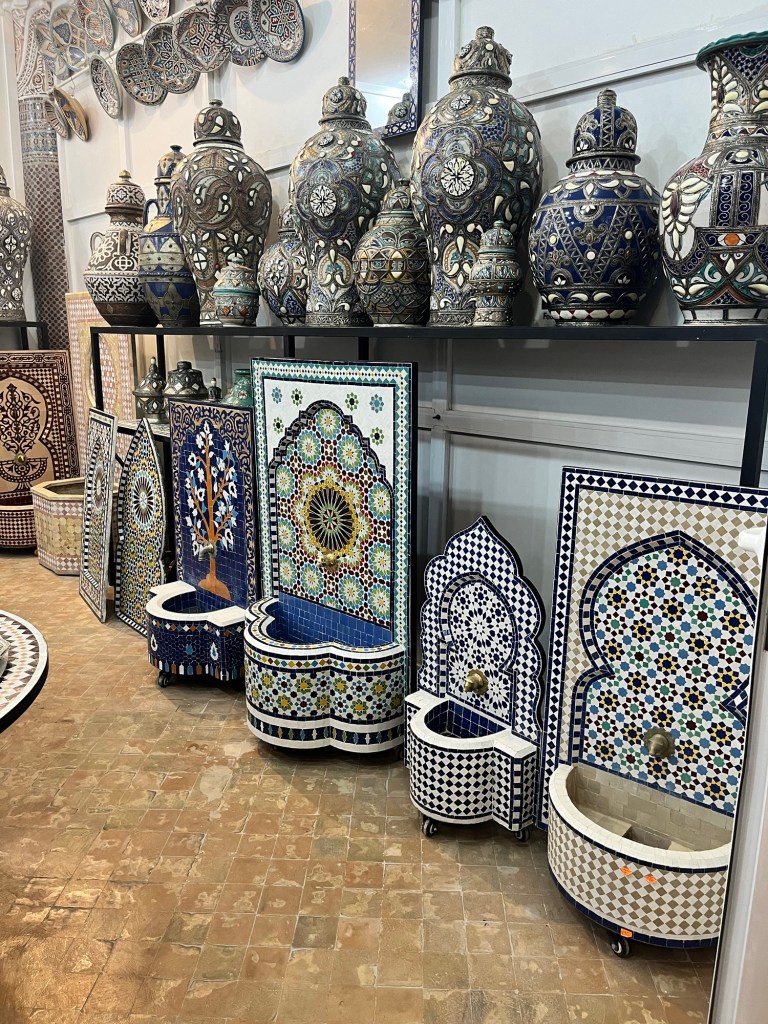
Outside of the Medina, we also went to a pottery making workshop where I drooled over and coveted so many things that I can’t afford…

Volubilis

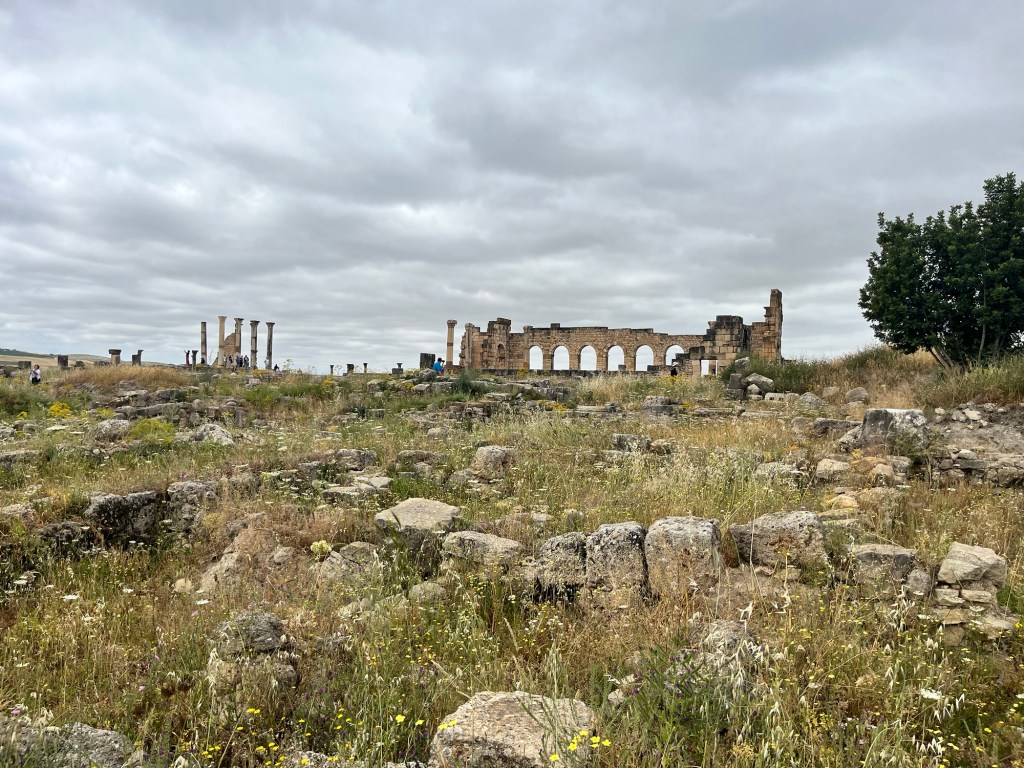
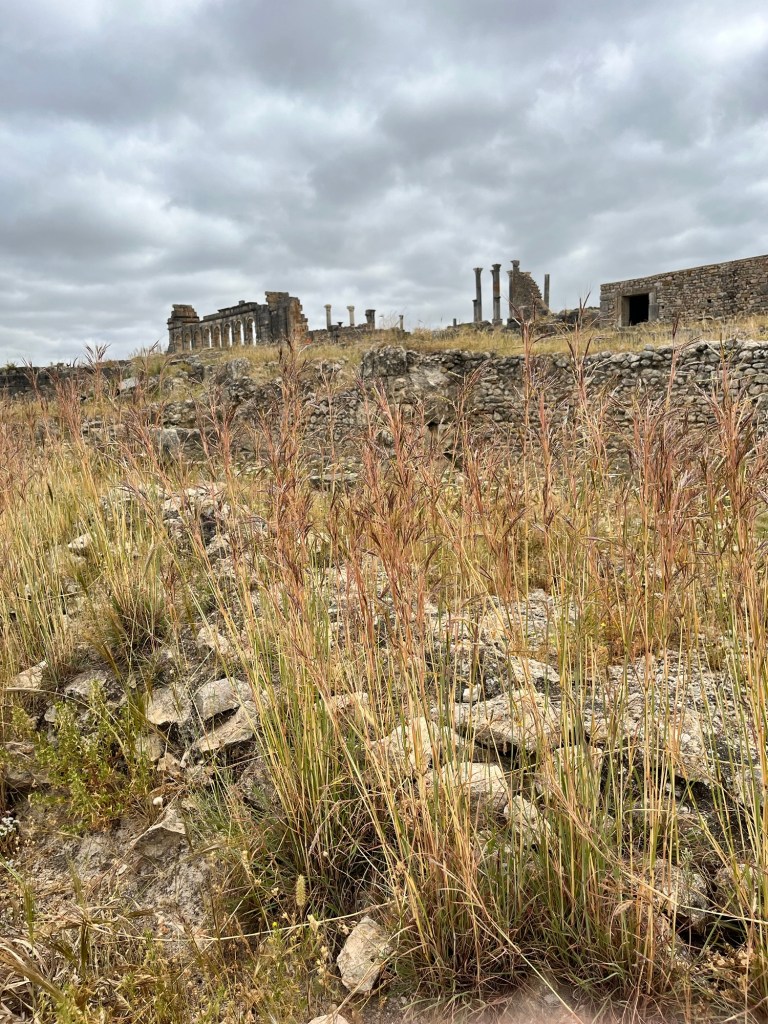
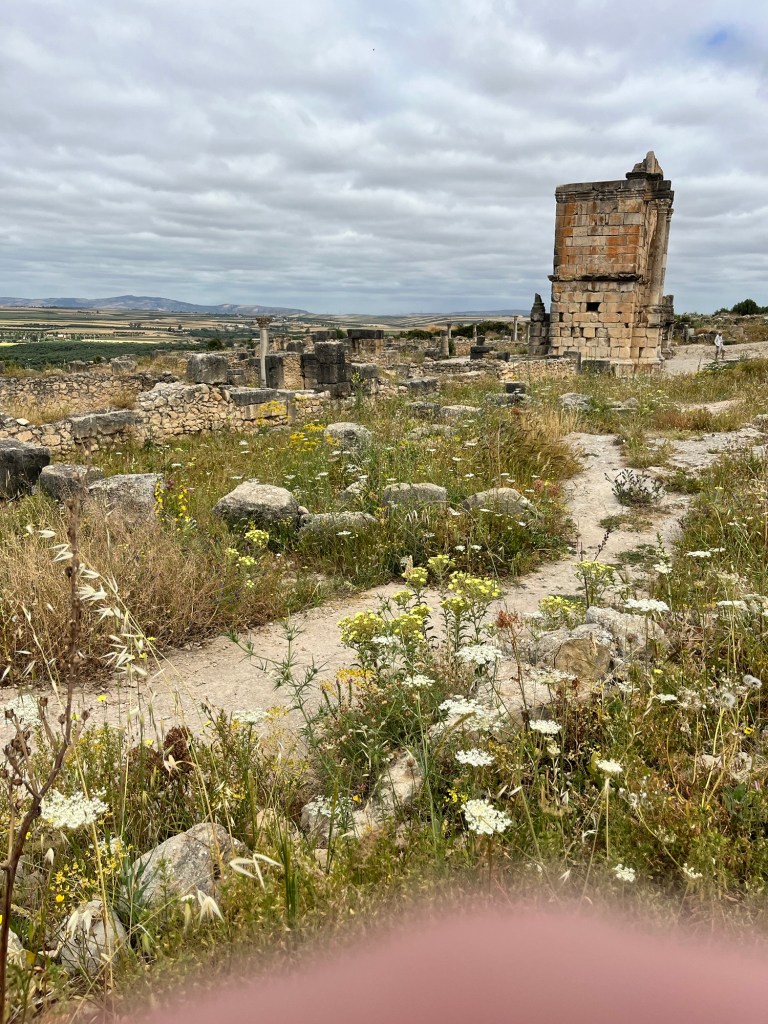
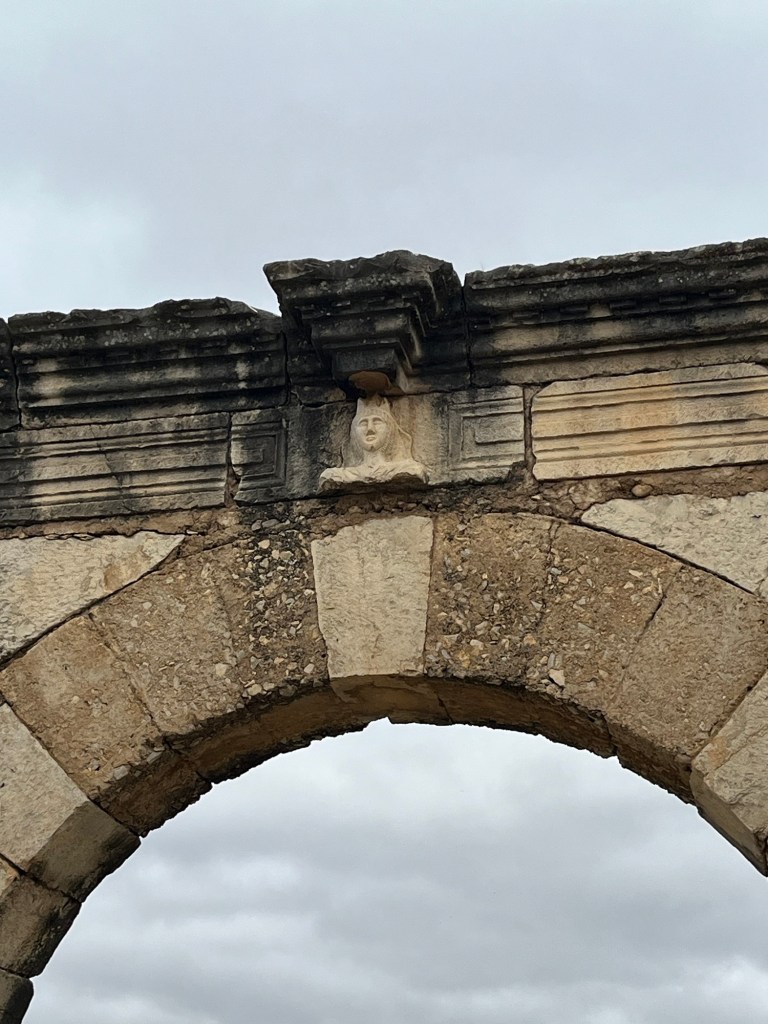
We kicked off the day with a visit to a Roman outpost dating to the early first century. At its height, it housed 20-30,000 Roman citizens, not including their many slaves. I’ve seen a lot of Roman ruins and I have to say that I thoroughly enjoyed this one more than I expected.

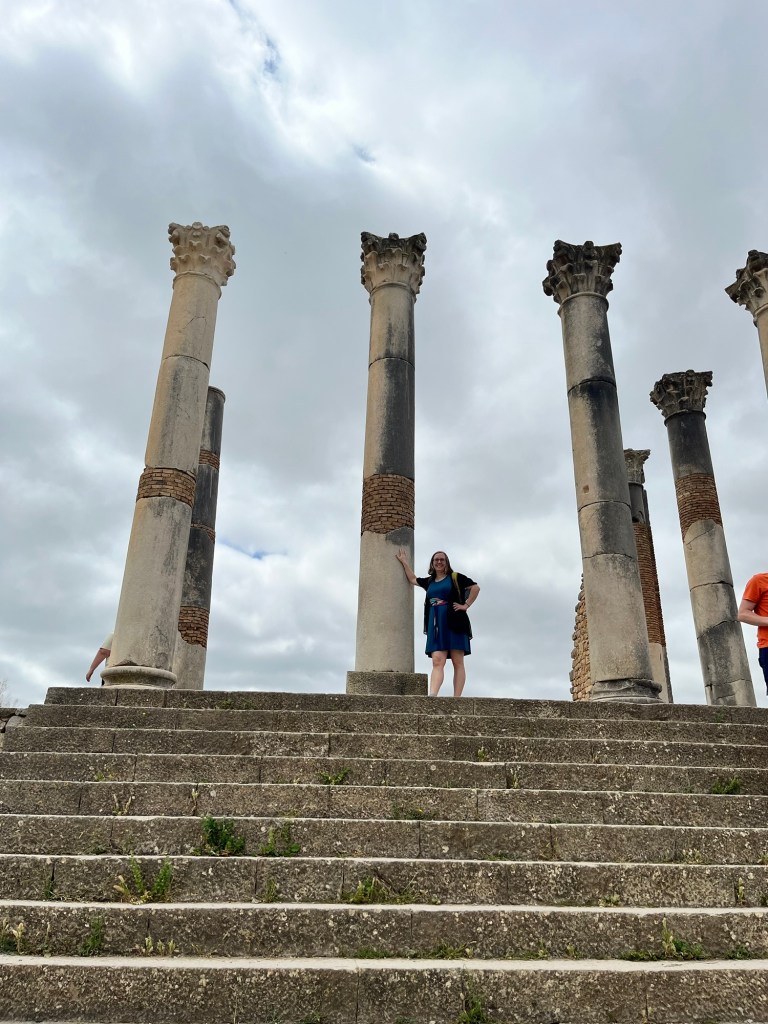
You know I love me some ruins

The large building in the back started as a judicial office and converted into a church when the Roman religion became Christianity.

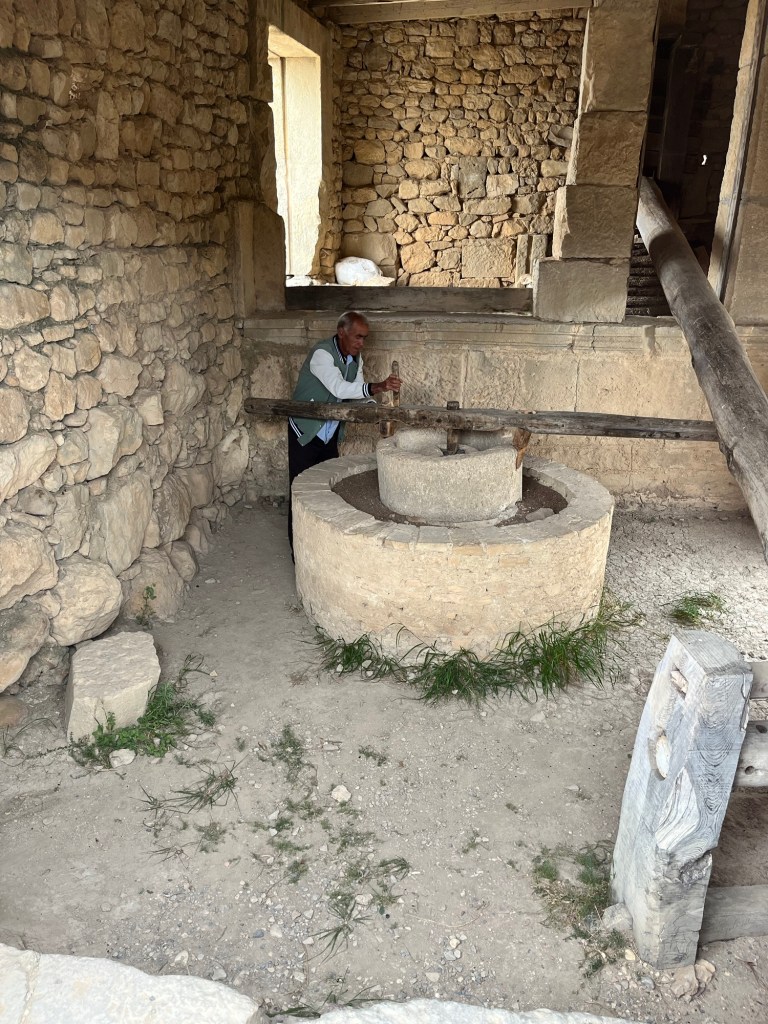
The city was an oil production center, all of the olive presses were imported from Gibraltar.
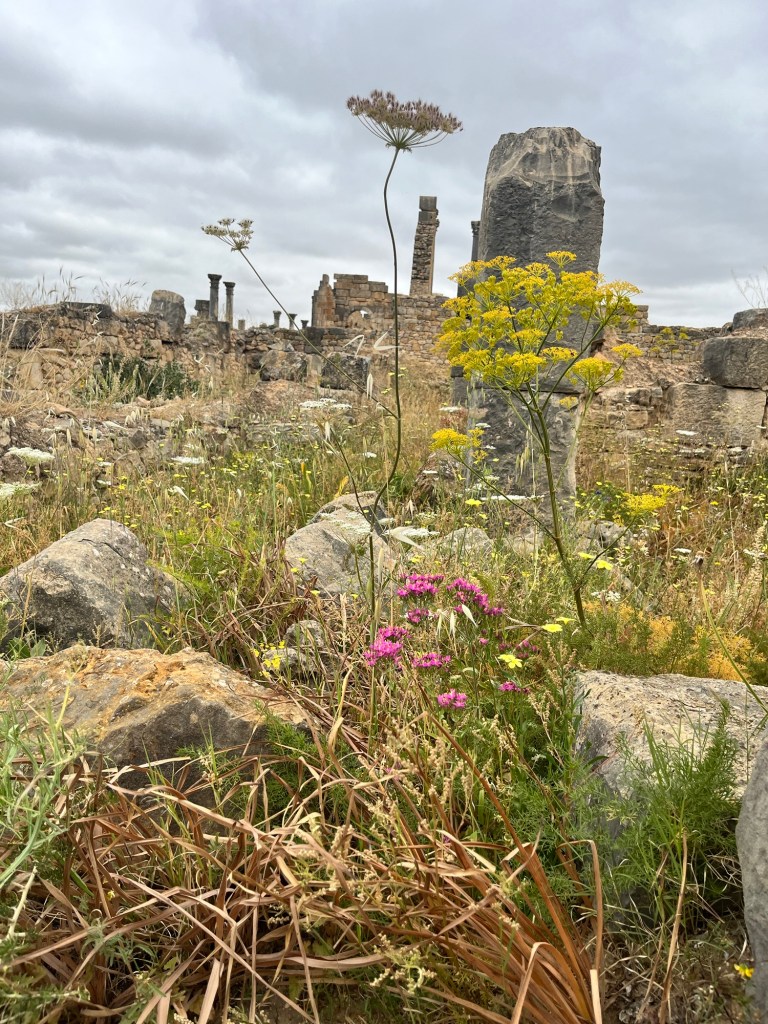
Volubilis means “morning glory” which was found along side many other wild flowers for the season, it felt like the perfect time to see the ruins with them all in bloom.
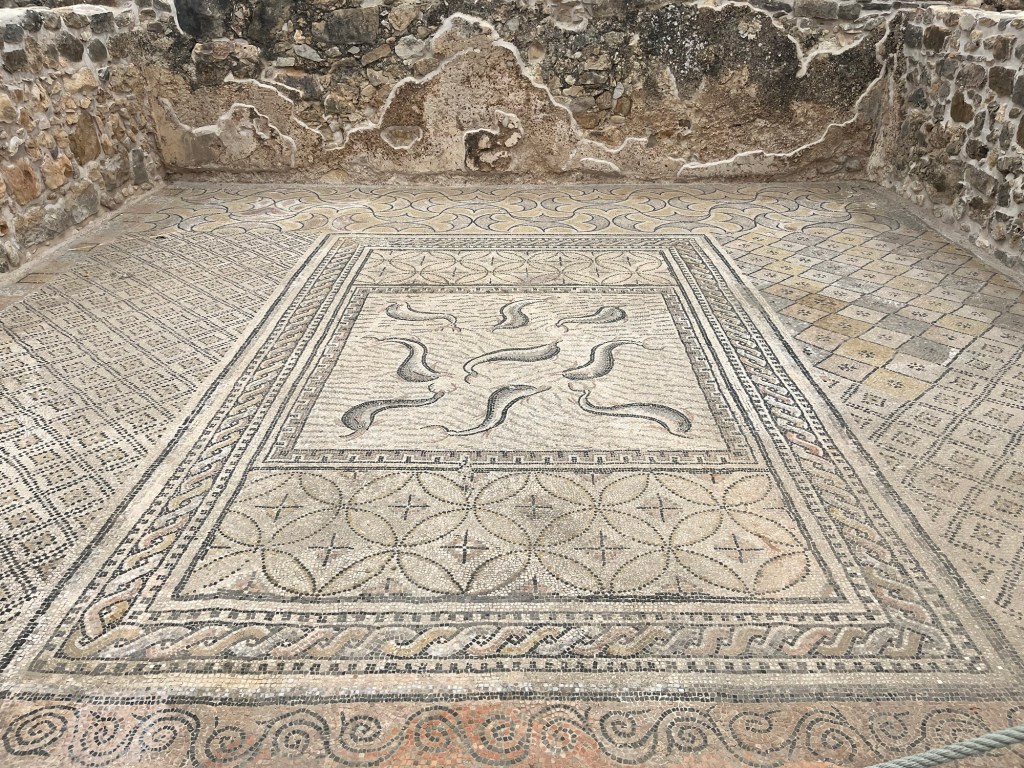
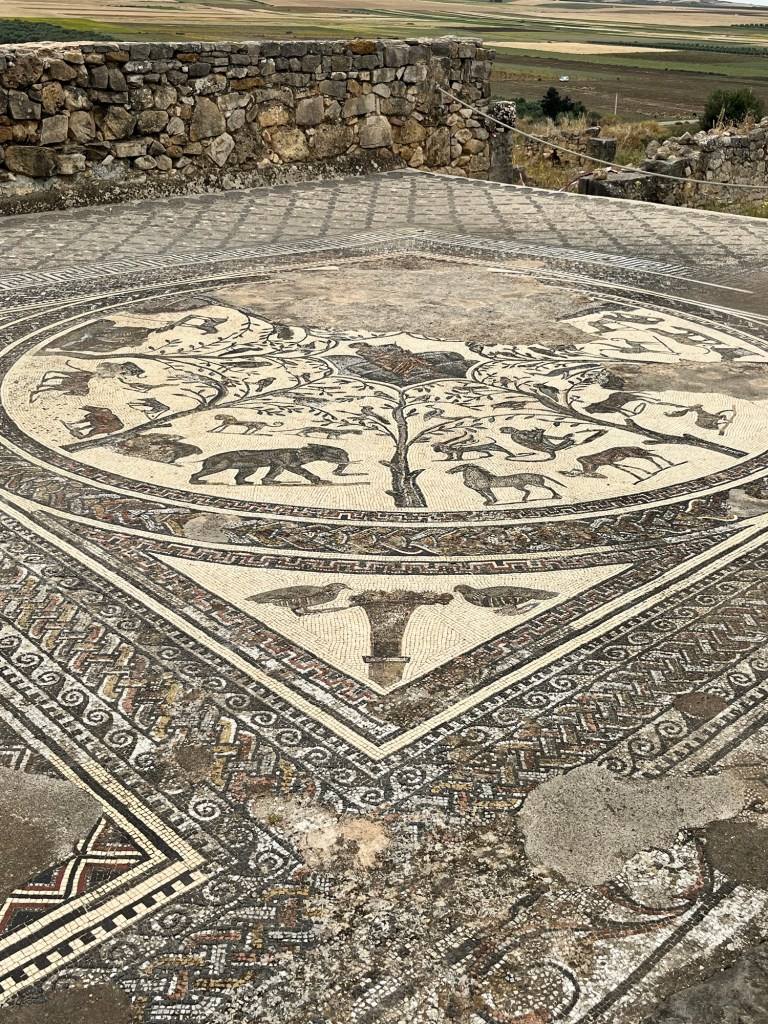
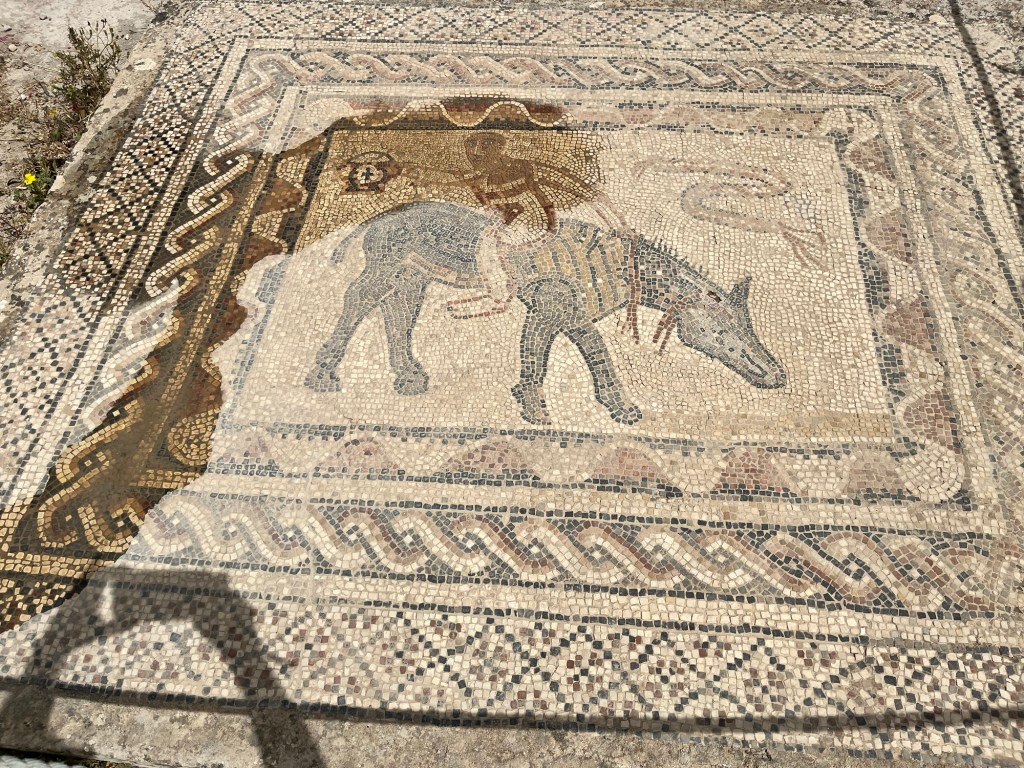
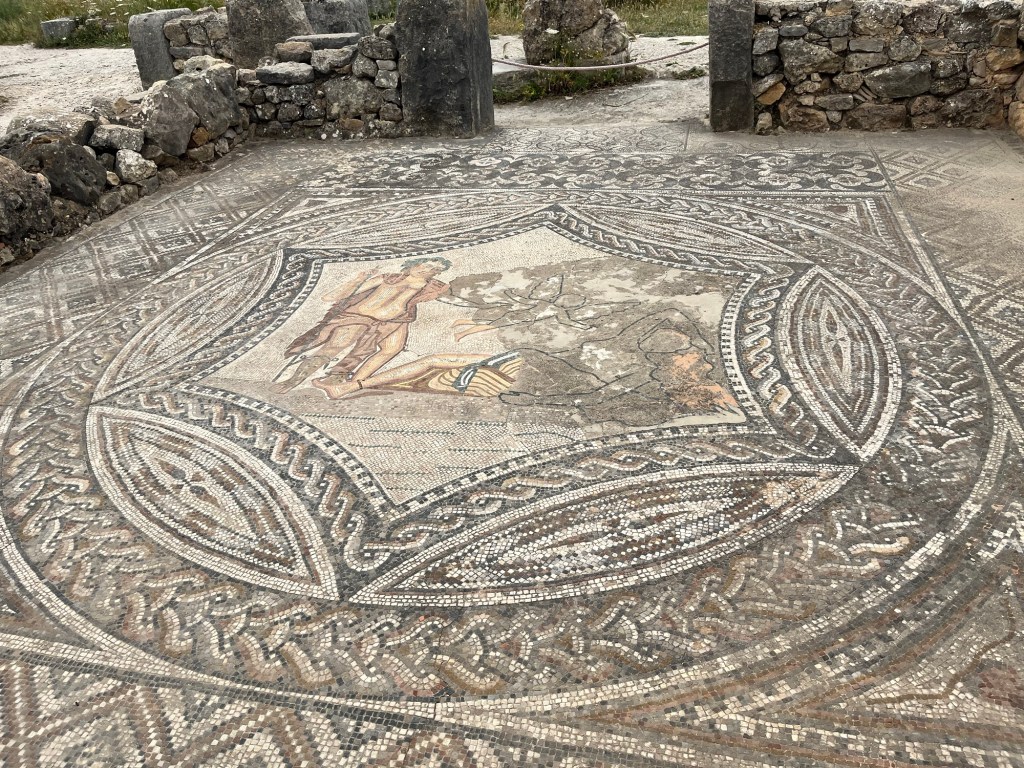
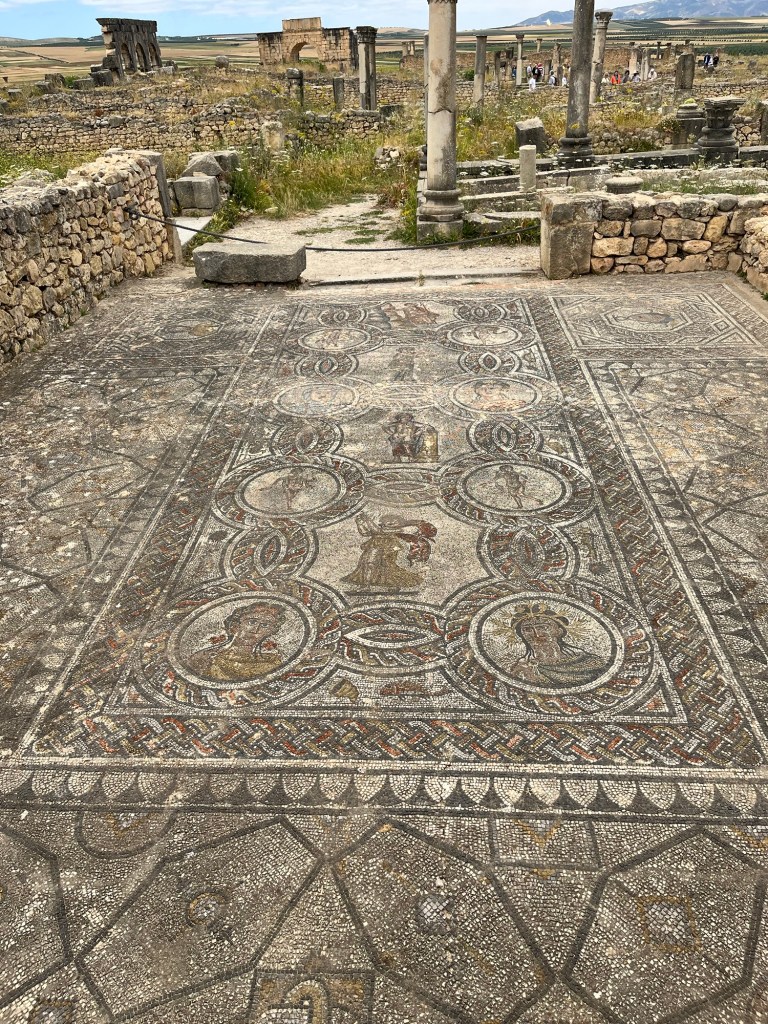
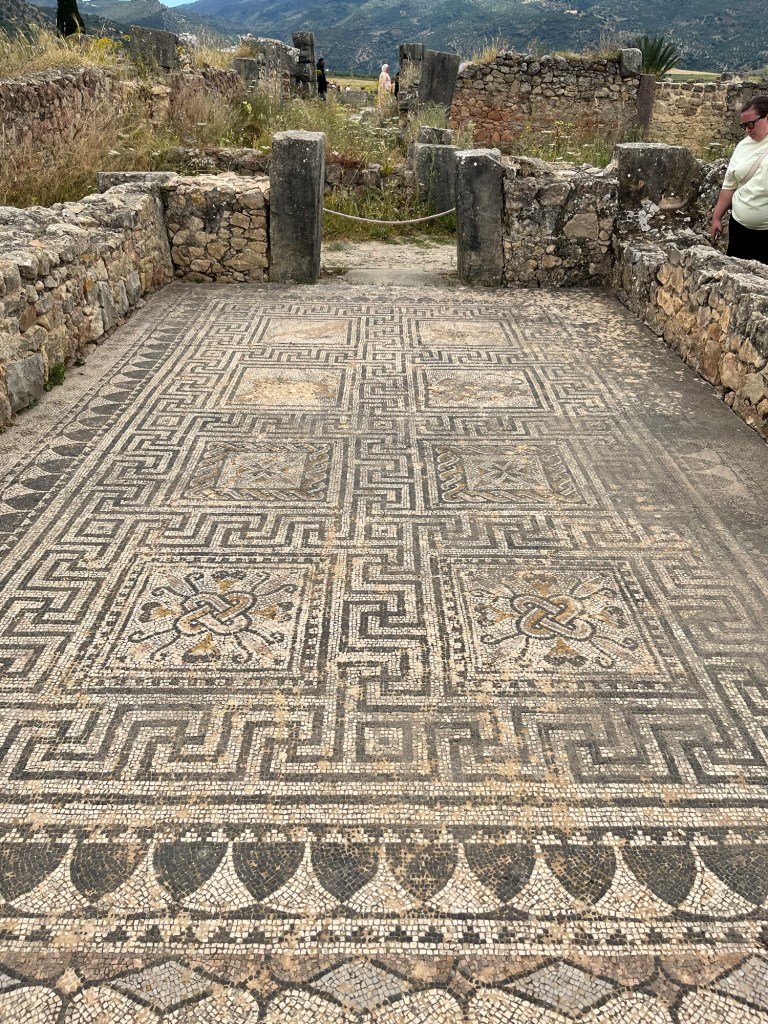
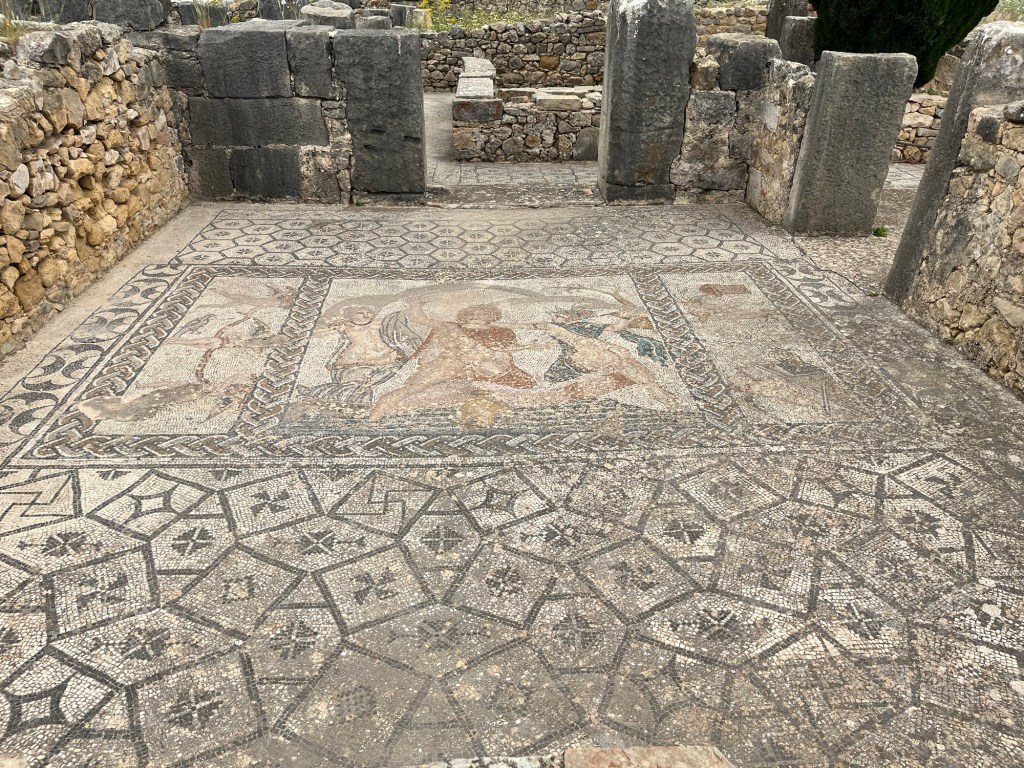
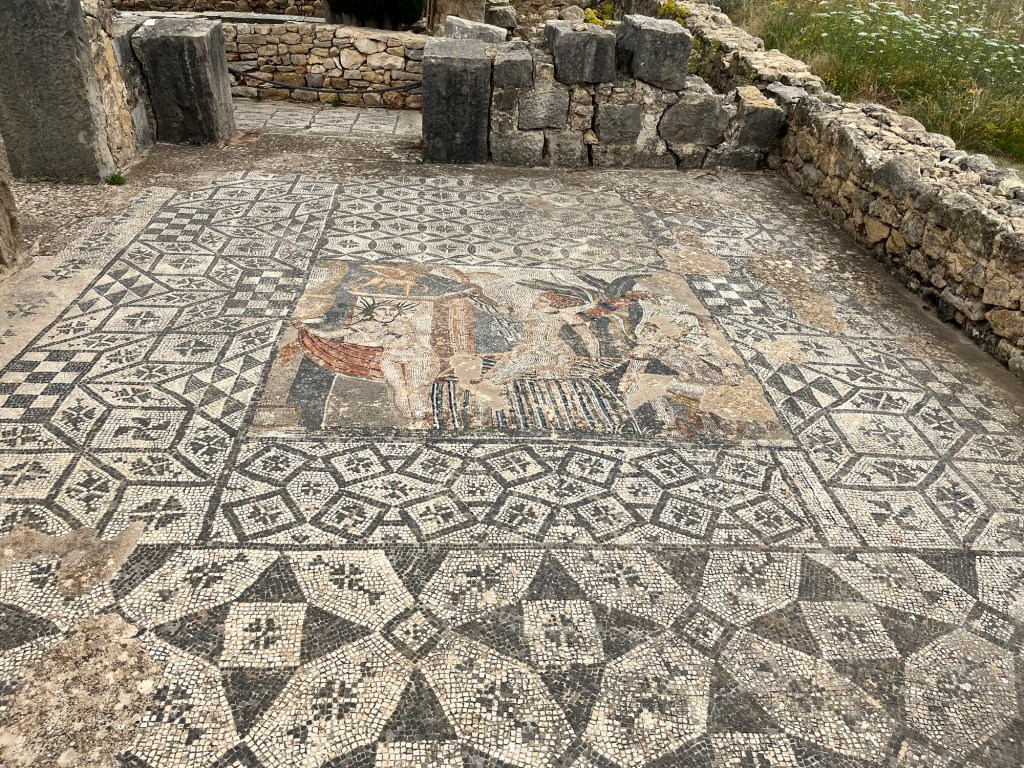
Probably the biggest surprise for me was the well preserved mosaics.
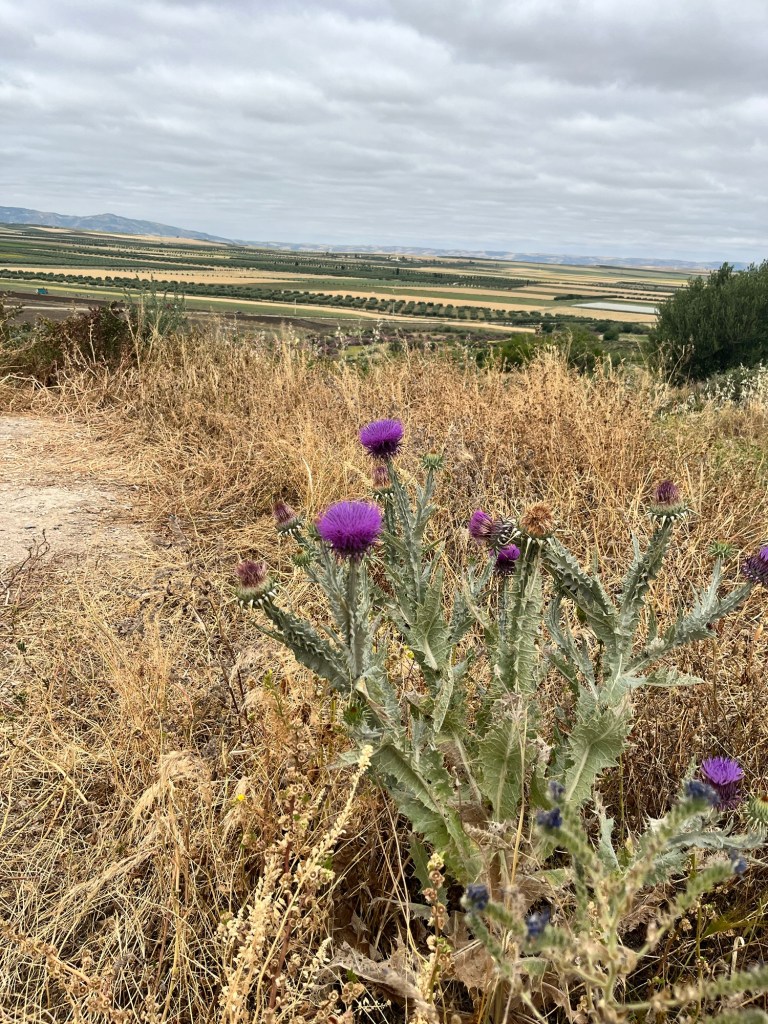
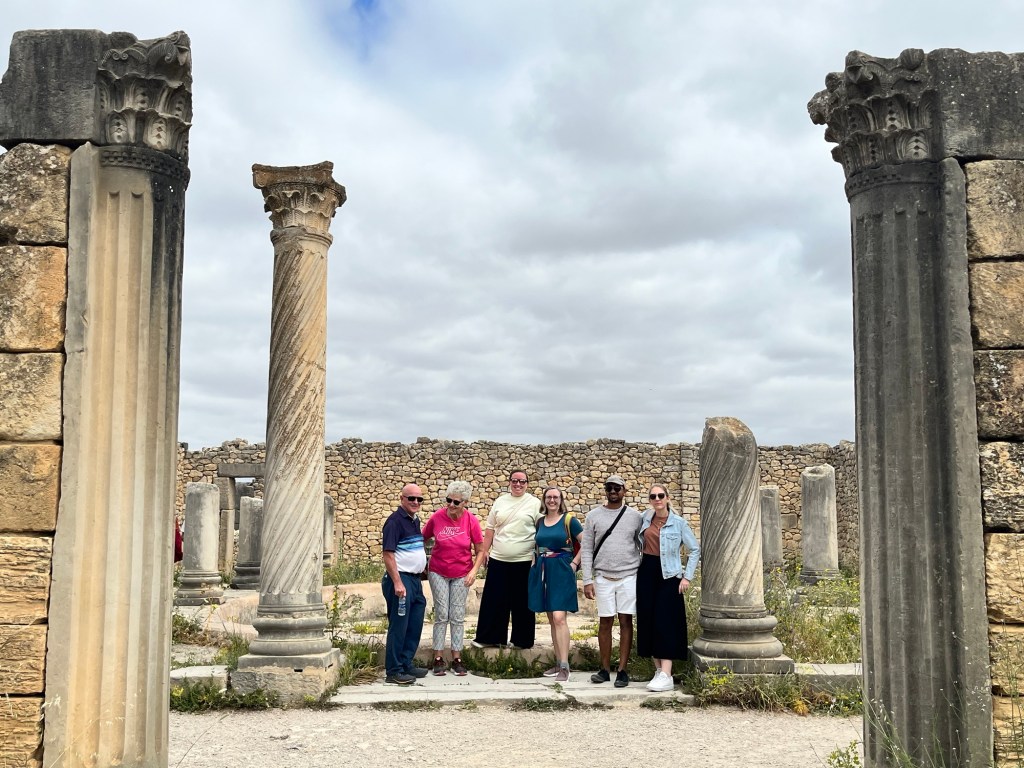
And here’s just some fun other shots for you!

And here’s a view of another village in a quite picturesque setting just for the fun of it!

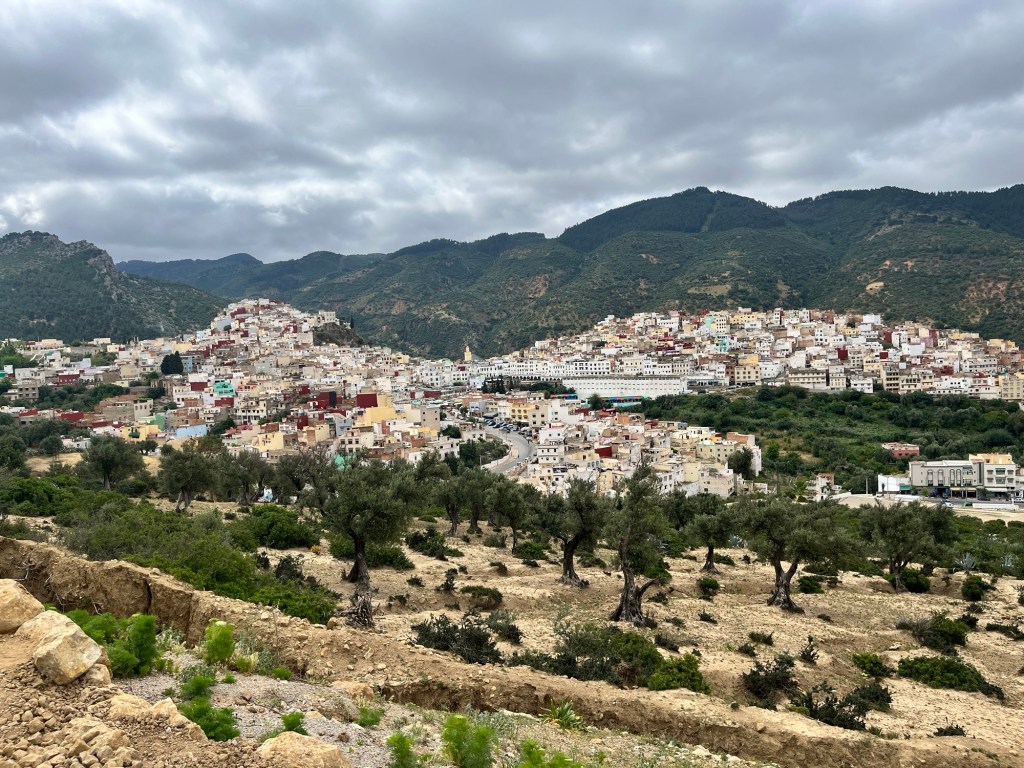
Moulay Idris

I’m Blue…or am I?

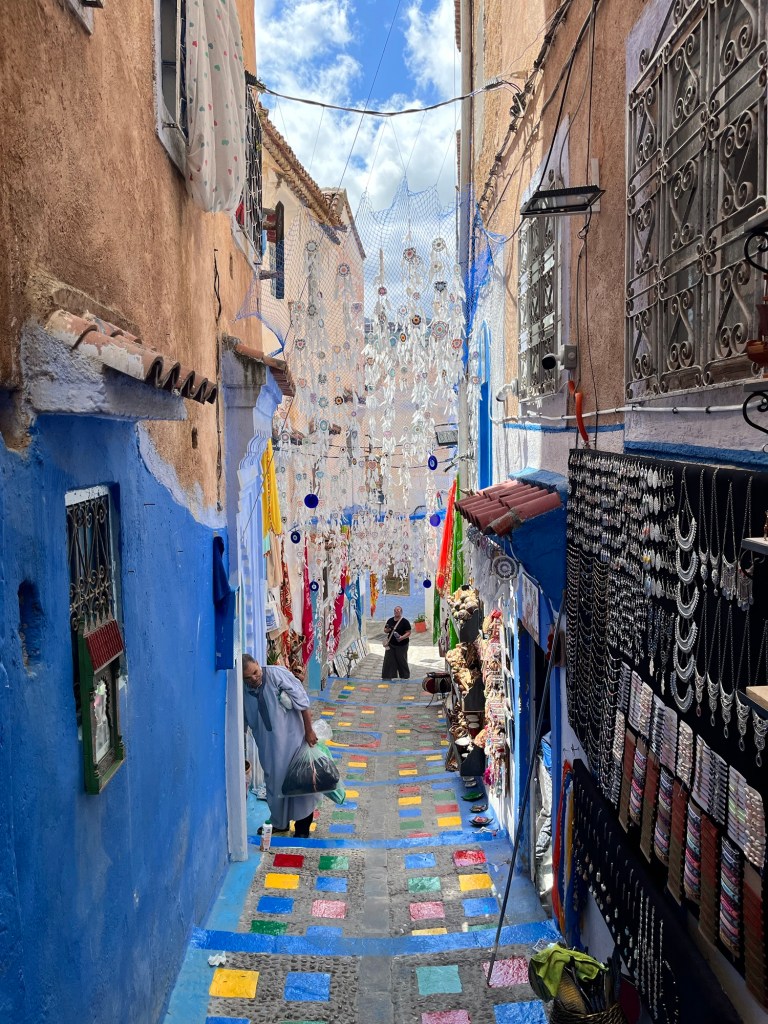
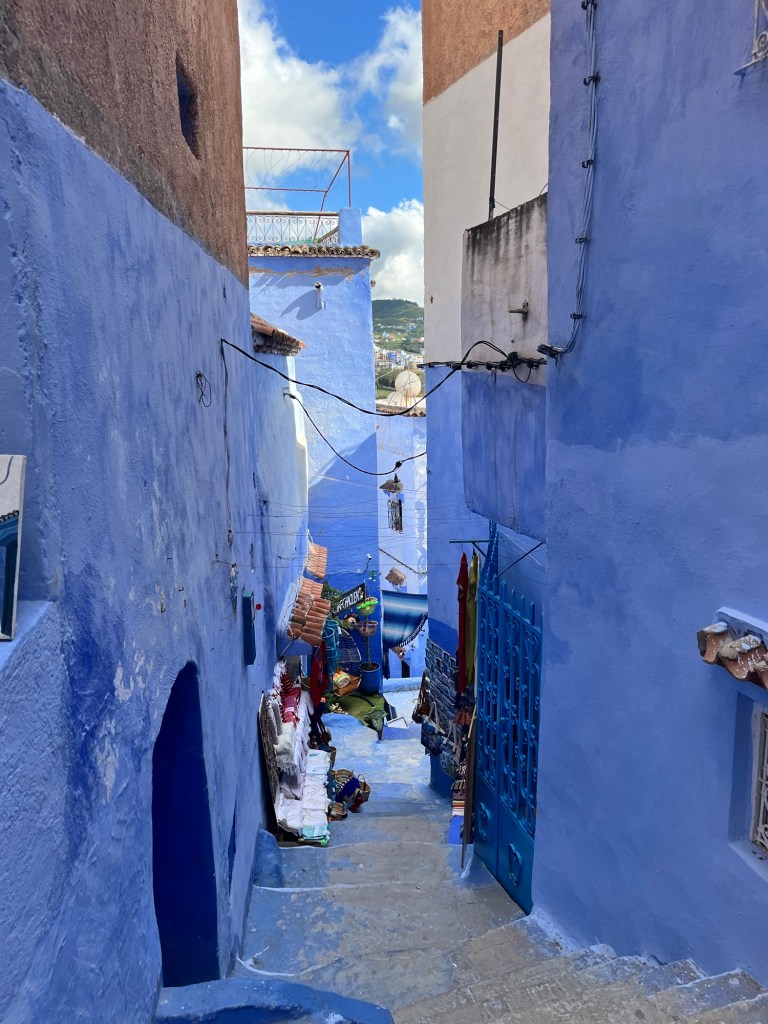
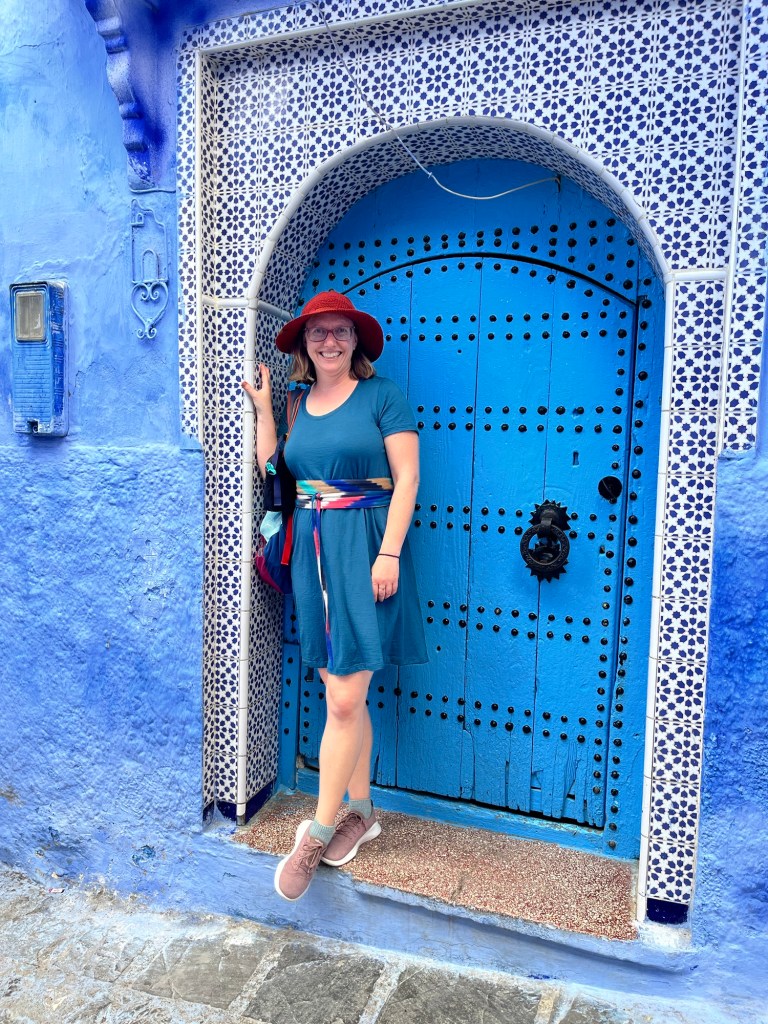
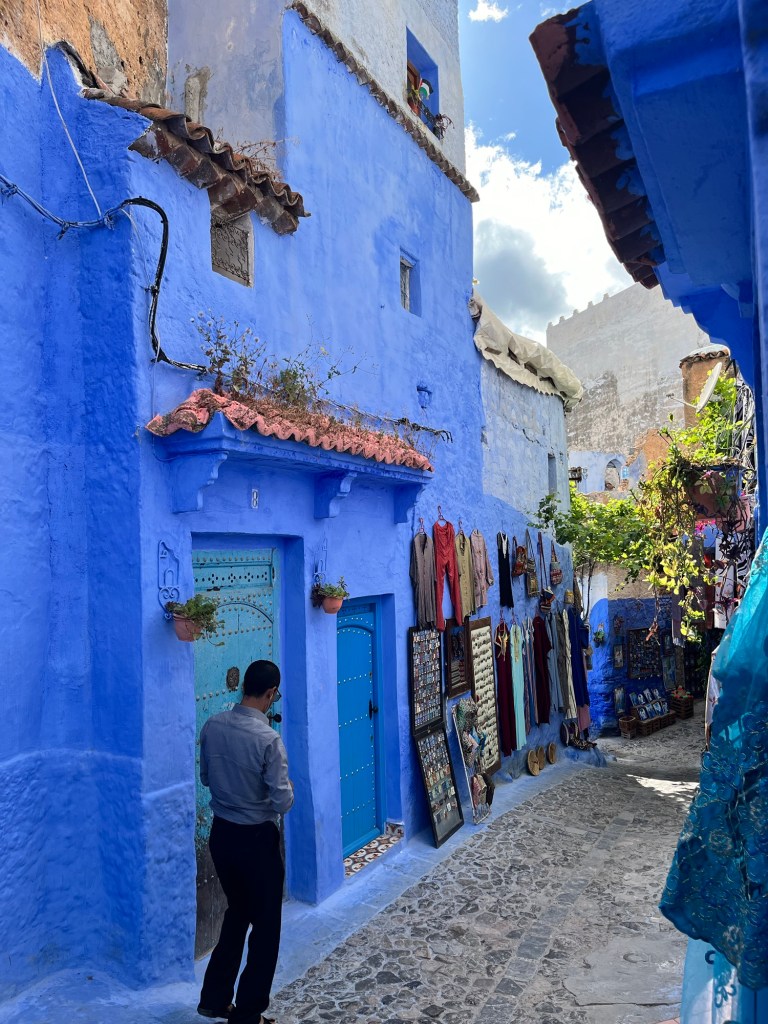
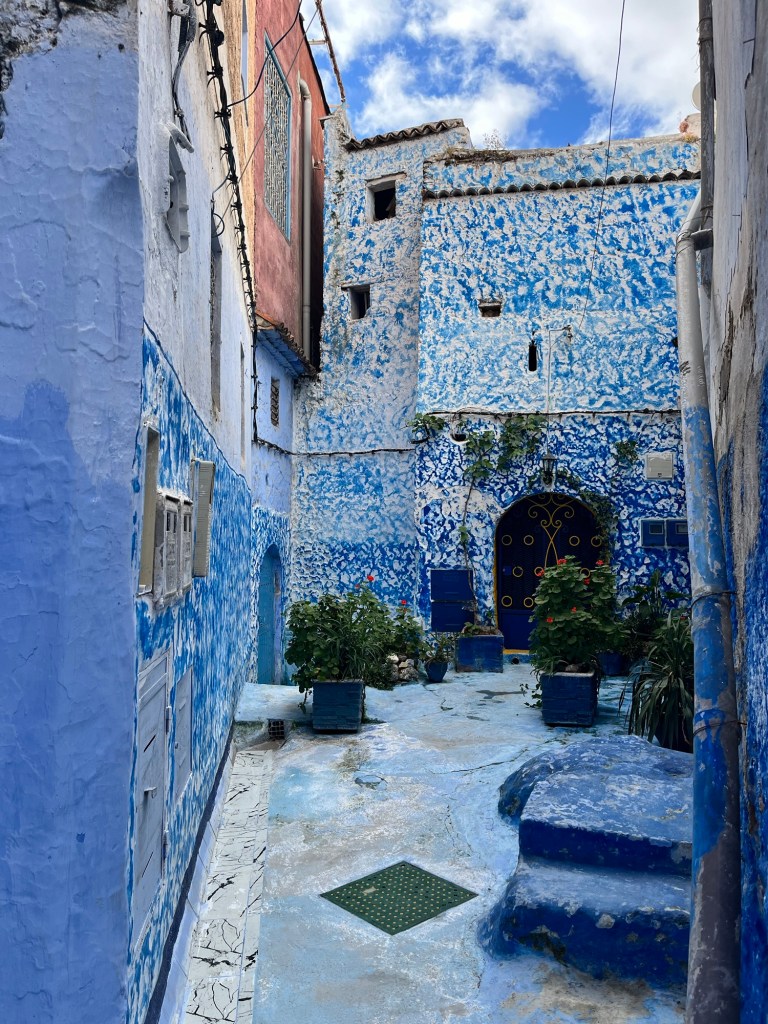
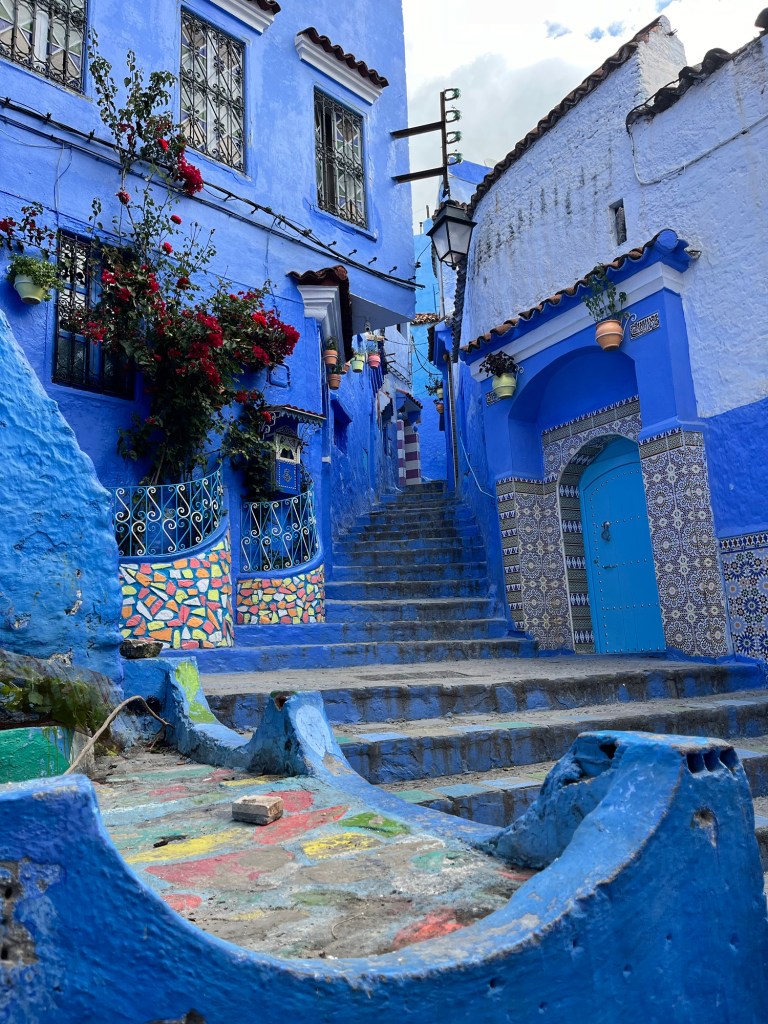
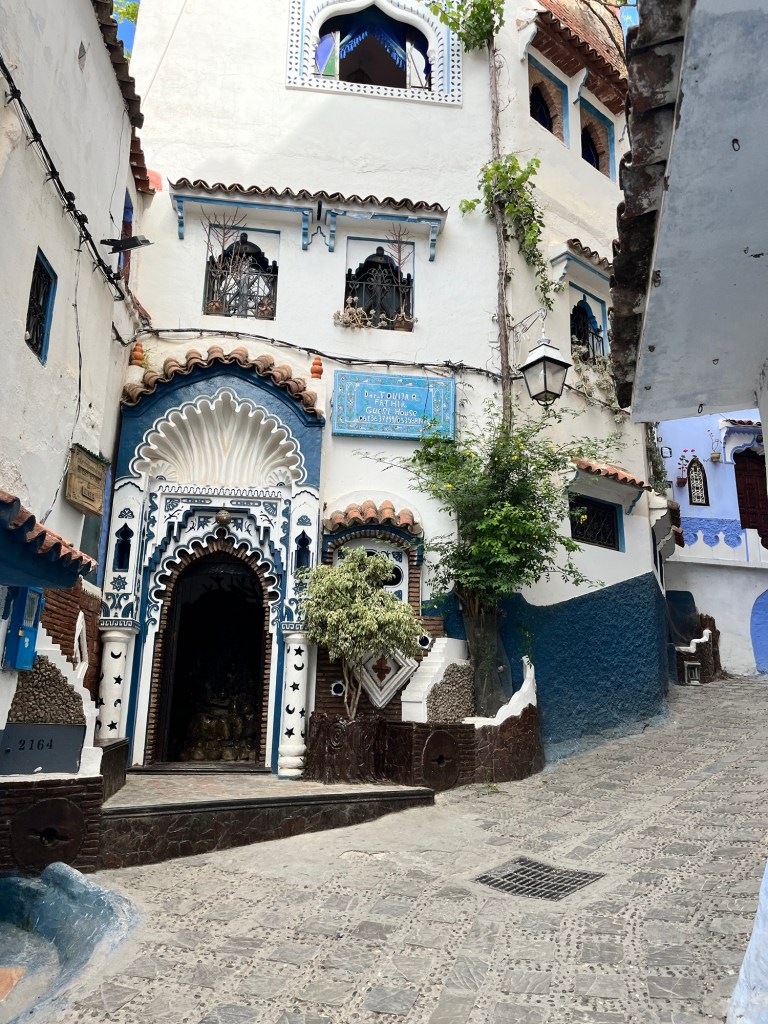
Ok, I am a little blue but the town of Chefchaouen is extra blue! Chefcha was founded as a fort to help protect the Muslim and Jewish refugees coming from the Pograms of Spain in the 15th Century, it wasn’t good enough for King Ferdinand and Queen Isabella that they leave Spain, they were often sought out in Morocco and killed there. Humans are lovely.

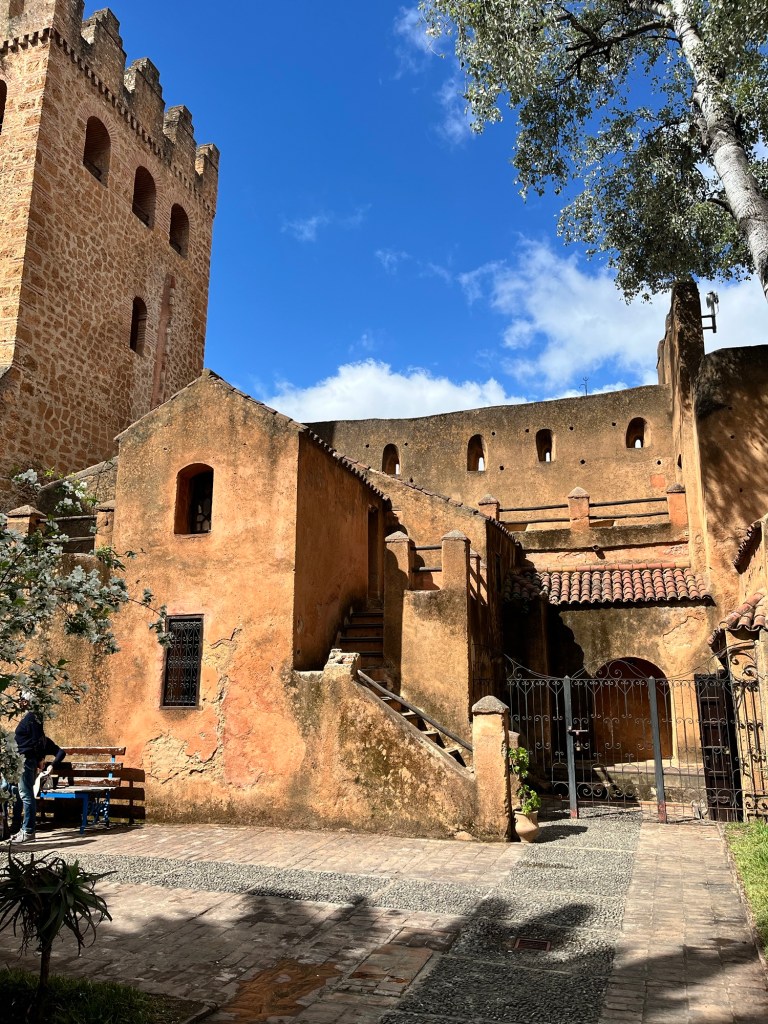
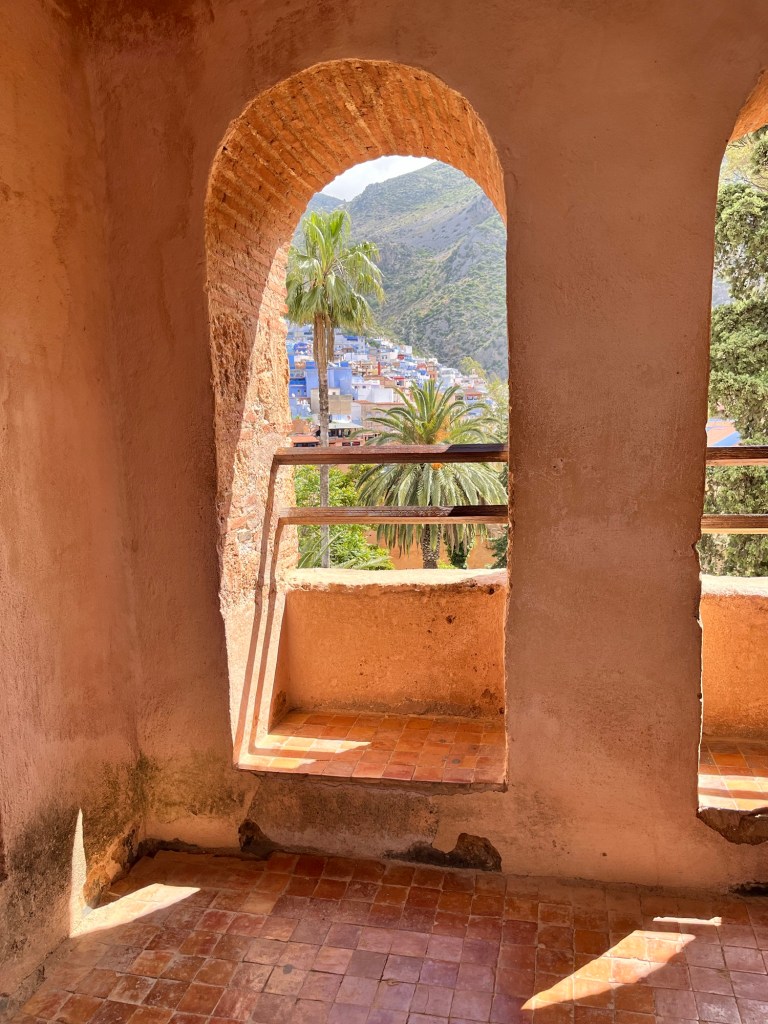
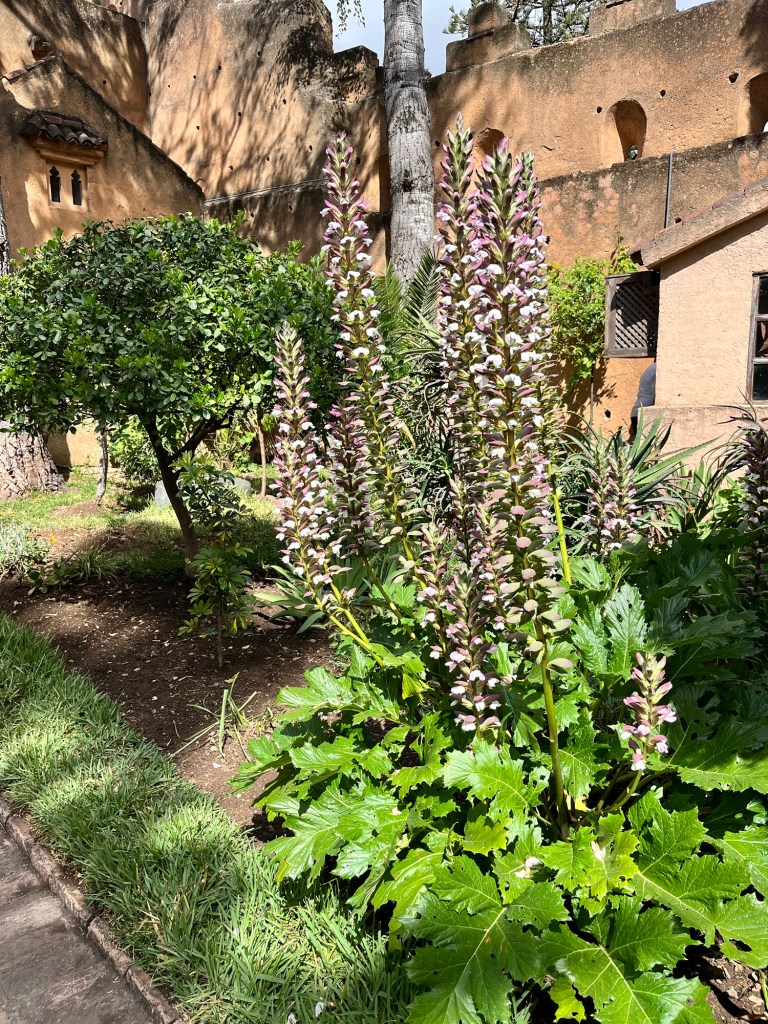
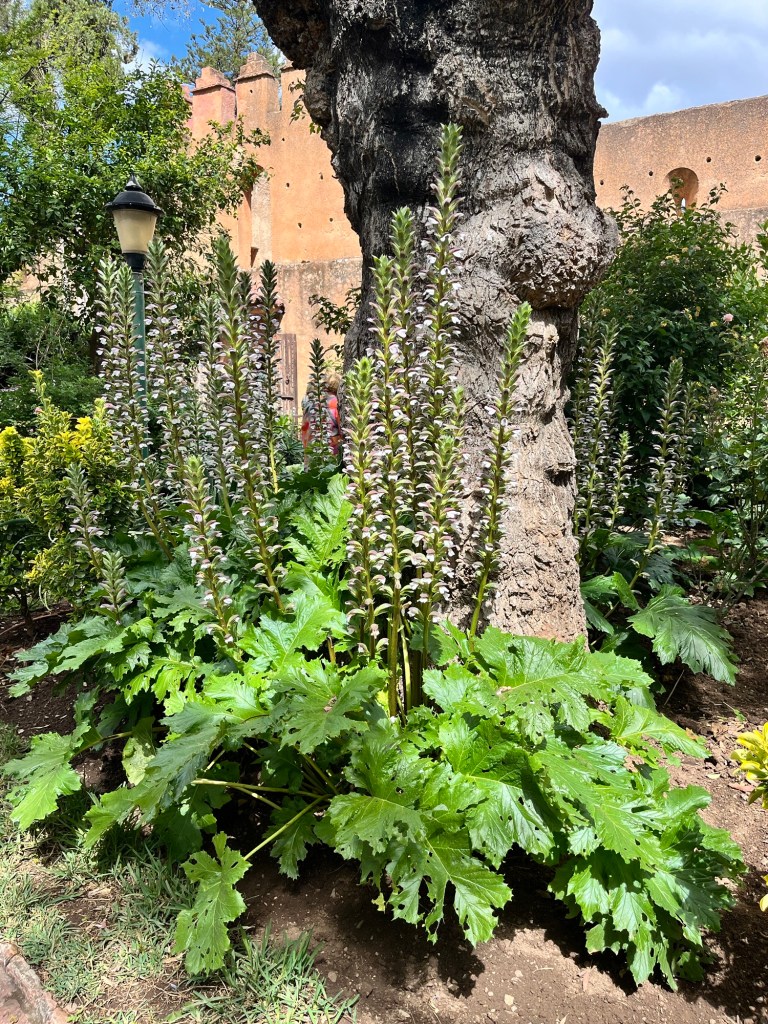
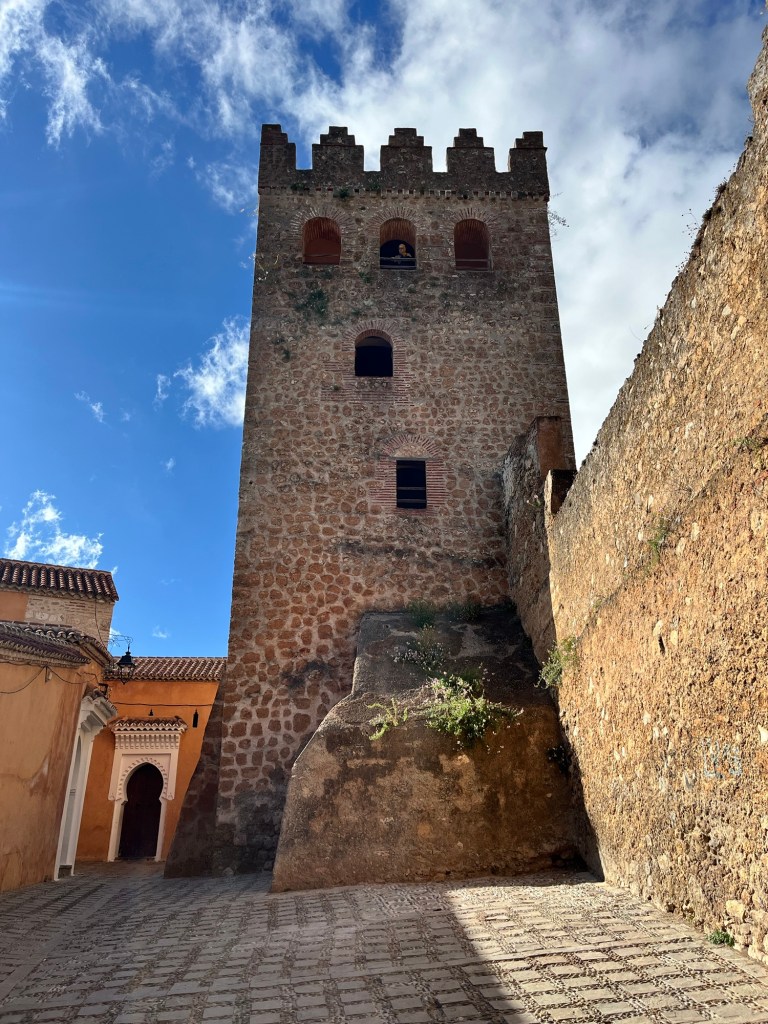
The original fortress walls still exist and inside is a lovely Spanish style garden with fantastic views.

There are multiple explanations for why the city is painted blue. One explanation is just that blue is a calming and tranquil color, which is true in this case. I was able to forget about my worries for a while here!

Another explanation is that at one point, the city’s population was largely Jewish and blue is the Jewish color so the town was painted blue. There are almost no Jews left here but they have kept the traditional colors which is just fantastic.

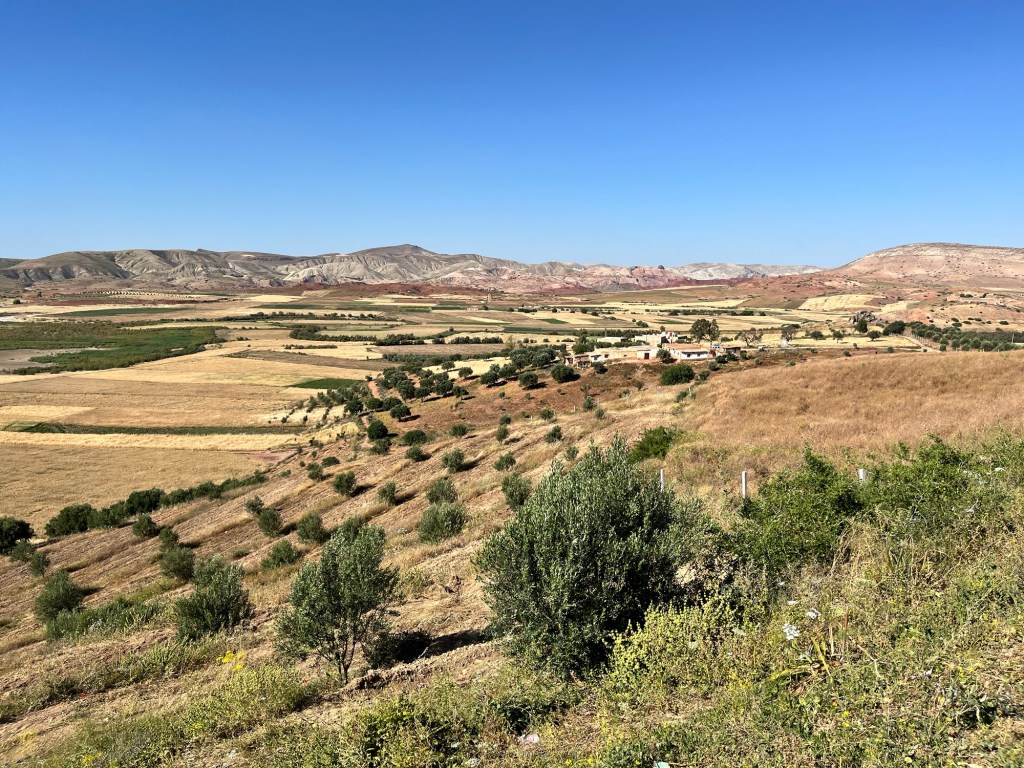
Regardless, it was the perfect place to spend a few hours, wandering the shops and relaxing before our drive to Fes which boasted a lovely landscape!